

What is phenoxyethanol in skincare?
Phenoxyethanol is a glycol ether used as a broad-spectrum preservative. It occurs naturally in green tea and chicory, though the cosmetic grade is synthesised for purity.
Its job is unglamorous but essential: any product containing water will grow bacteria, yeast and mould without one. Phenoxyethanol became the default after parabens fell out of consumer favour, and it now appears in a large share of skincare on the market, capped at 1% in most jurisdictions.
What skin concerns does phenoxyethanol treat?
None – it is not an active. It protects the product rather than the skin, and in doing so protects you from applying a contaminated formula to your face, which is a real infection and irritation risk.
Its safety has been examined repeatedly. A safety review of phenoxyethanol as a cosmetic preservative and the EU Scientific Committee on Consumer Safety opinion both conclude it is safe at the permitted concentration. Allergic contact dermatitis happens but is uncommon.
What ingredients are best paired with phenoxyethanol?
It is usually combined with ethylhexylglycerin, caprylyl glycol or organic acids, which boost its activity and let formulators use less of it.
You do not choose products for their preservative, but it is worth knowing that unpreserved or self-preserving formulas are not automatically safer – they spoil faster and carry their own risk. If you react to it, patch testing with a dermatologist will confirm it before you rule out half the market. Take our Skin Quiz.
What is crepey skin?
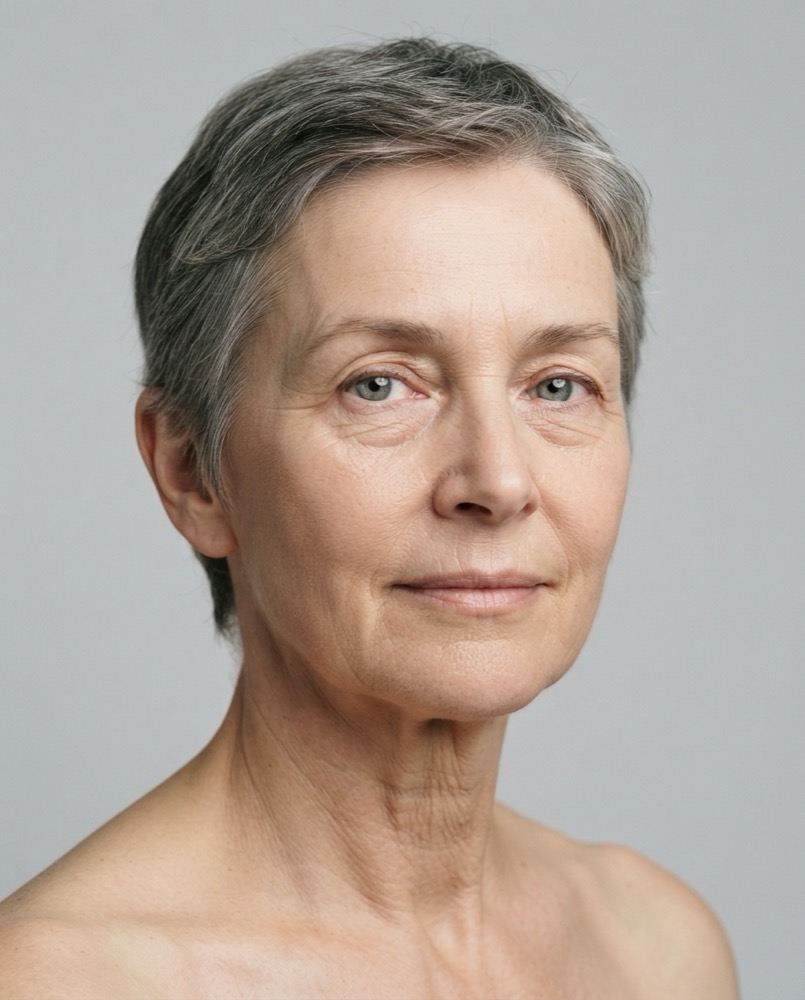
Crepey skin is skin that has become thin, loose and finely wrinkled, with the papery texture of crepe paper. It differs from ordinary wrinkles in that it affects a broad area rather than forming distinct lines, and it appears most on the under-eyes, neck, décolletage, upper arms and inner thighs.
The hallmark is loss of elasticity: pinched skin takes longer to snap back, and the surface looks crinkled even at rest.
What causes crepey skin?
The main driver is degradation of the elastin network in the dermis. Cumulative ultraviolet exposure breaks down elastic fibres and replaces them with disorganised material – the process called solar elastosis – while collagen production falls at the same time.
Age, chronic dehydration, significant weight loss, smoking, and the natural drop in oestrogen around menopause all accelerate it. Body areas get less skincare attention than the face, which is why crepiness often shows there first.
What ingredients are best for crepey skin?
Retinoids remain the best-evidenced option for rebuilding collagen and thickening the dermis over months of use. Peptides support elastin and collagen signalling, and vitamin C protects existing fibres while aiding synthesis.
Layer those over rich hydration – hyaluronic acid, glycerin, ceramides, squalane and shea butter – which visibly improves the crinkled look even before structural change happens. Daily SPF on neck, chest and hands prevents further breakdown. Take our Skin Quiz.