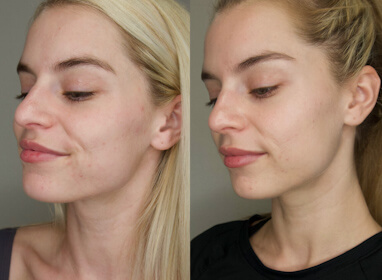
What is tocopherol in skincare?
Tocopherol is the INCI name for vitamin E in its natural, unesterified form – most often alpha-tocopherol, the variant the body uses most readily. If you see it on an ingredients list, you are looking at active vitamin E rather than a precursor.
Being fat-soluble, it embeds in the lipid layers of the skin barrier, where it neutralises free radicals and protects cell membranes from oxidation.
What skin concerns does tocopherol treat?
It defends against UV and pollution-driven oxidative stress, conditions dry and rough skin as an emollient, and helps the barrier retain water. In formulations it doubles as a preservative for other oils, slowing rancidity.
It is often included at low percentages precisely for that stabilising role. As a standalone treatment for scars or stretch marks the evidence is thin, and undiluted tocopherol oil can irritate sensitive skin.
What ingredients are best paired with tocopherol?
Pairing it with vitamin C and ferulic acid is the best-documented combination, producing greater photoprotection than any of them alone and keeping the vitamin C stable for longer.
It also sits comfortably with squalane, ceramides, niacinamide and plant oils. Acne-prone skin should look for it in a lightweight serum rather than a rich balm. Take our Skin Quiz.
What is redness?
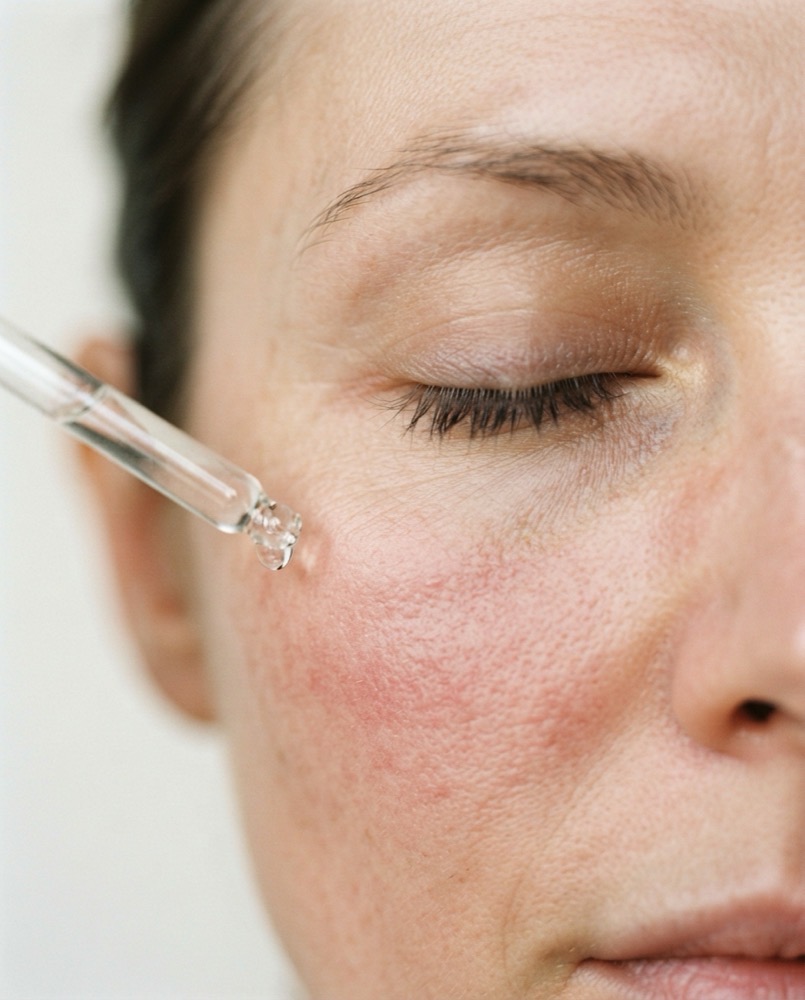
Facial redness is visible dilation of the small blood vessels near the skin’s surface. It ranges from transient flushing that comes and goes, to persistent erythema across the cheeks and nose, to fixed thread veins that stay visible all the time.
Redness is a symptom rather than a diagnosis. It can signal rosacea, irritation, an over-exfoliated barrier, eczema, an allergic reaction or simply reactive skin that responds strongly to heat and stress.
What causes redness?
Most persistent redness traces back to a compromised barrier and heightened nerve sensitivity. When the barrier thins, irritants penetrate more easily and the skin mounts an inflammatory response to things it would normally tolerate.
Common aggravators: over-exfoliation, high-strength actives used too often, fragrance and essential oils, hot water, alcohol, spicy food, sudden temperature change, sun exposure and stress. Trying to treat redness with more actives usually deepens it.
What ingredients are best for redness?
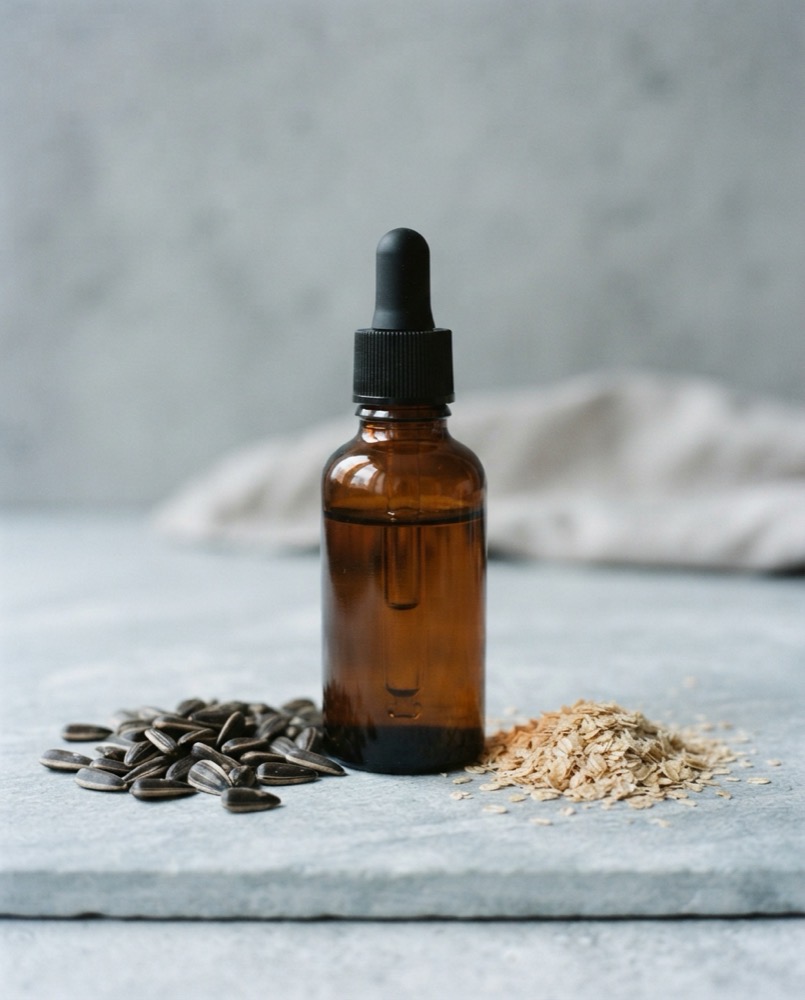
Prioritise calming and rebuilding over correcting. Niacinamide, azelaic acid, centella asiatica, green tea extract, liquorice root, allantoin, bisabolol and colloidal oatmeal all reduce visible inflammation.
Then repair the barrier with ceramides, cholesterol, fatty acids, glycerin, panthenol and squalane, and protect it with a gentle mineral SPF. Strip the routine back to cleanser, moisturiser and sunscreen for a few weeks before reintroducing anything active. Take our Skin Quiz.