What is tocopherol in skincare?
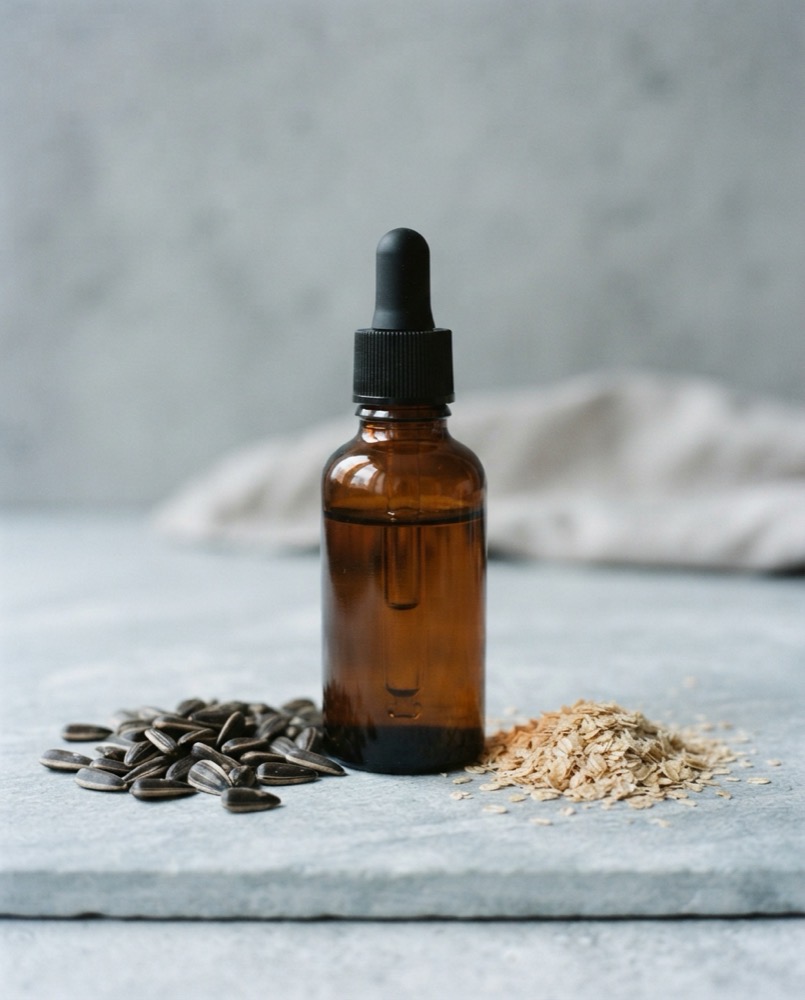
Tocopherol is the INCI name for vitamin E in its natural, unesterified form – most often alpha-tocopherol, the variant the body uses most readily. If you see it on an ingredients list, you are looking at active vitamin E rather than a precursor.
Being fat-soluble, it embeds in the lipid layers of the skin barrier, where it neutralises free radicals and protects cell membranes from oxidation.
What skin concerns does tocopherol treat?
It defends against UV and pollution-driven oxidative stress, conditions dry and rough skin as an emollient, and helps the barrier retain water. In formulations it doubles as a preservative for other oils, slowing rancidity.
It is often included at low percentages precisely for that stabilising role. As a standalone treatment for scars or stretch marks the evidence is thin, and undiluted tocopherol oil can irritate sensitive skin.
What ingredients are best paired with tocopherol?
Pairing it with vitamin C and ferulic acid is the best-documented combination, producing greater photoprotection than any of them alone and keeping the vitamin C stable for longer.
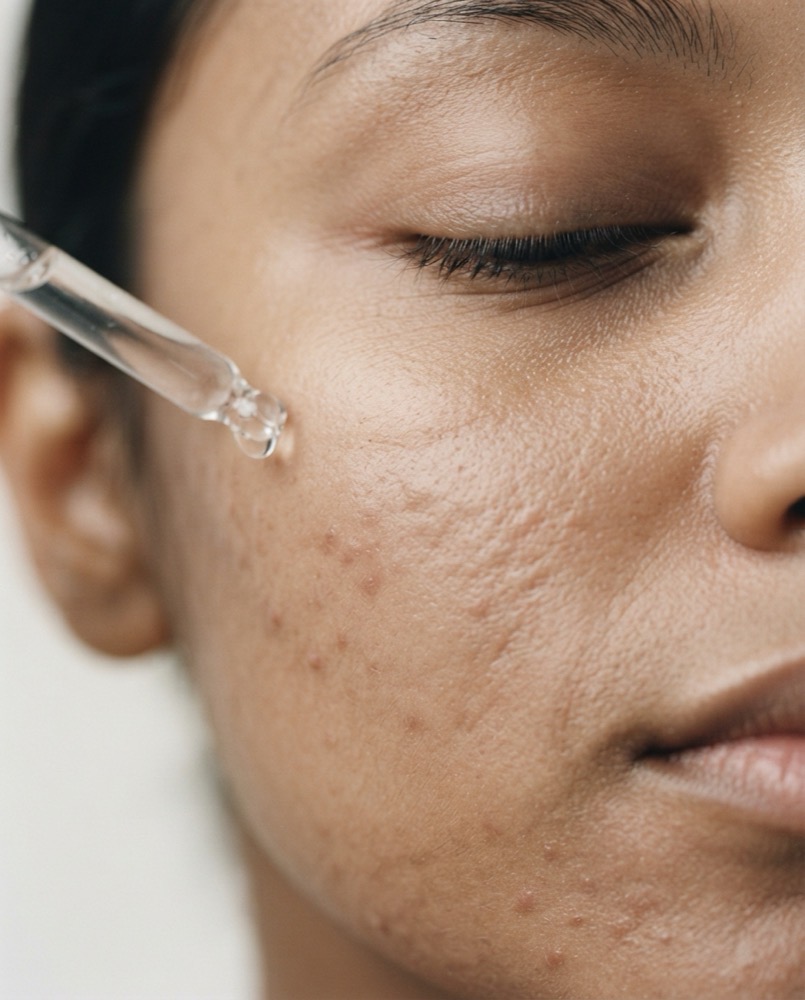
It also sits comfortably with squalane, ceramides, niacinamide and plant oils. Acne-prone skin should look for it in a lightweight serum rather than a rich balm. Take our Skin Quiz.
What is hormonal acne?
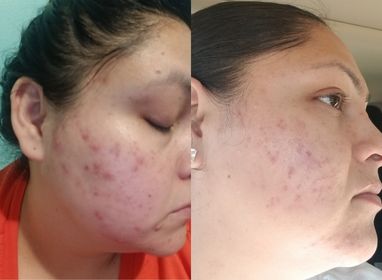
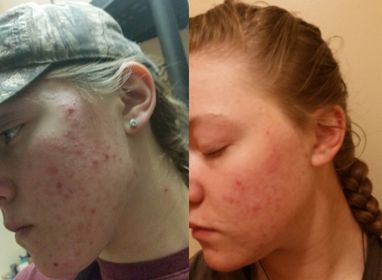
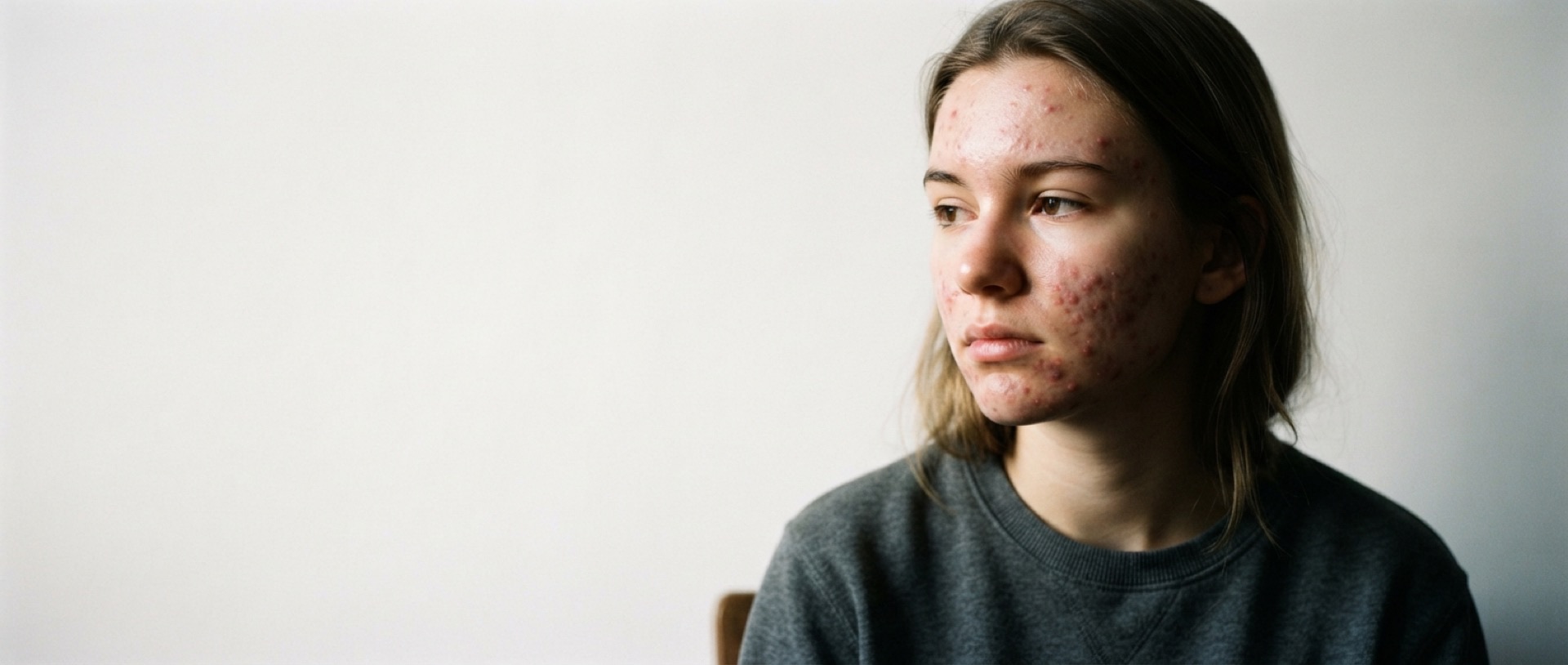
Hormonal acne is acne whose timing and pattern track with hormonal activity rather than with cleansing habits or diet alone. It typically appears along the lower face – jawline, chin and upper neck – as deep, tender papules and cysts that flare on a predictable cycle.
It is most recognisable in adult women, where breakouts often arrive in the week before menstruation and settle again afterwards.
What causes hormonal acne?
Androgens – testosterone and DHT in particular – bind to receptors on the sebaceous gland and increase sebum production. When androgen activity rises or oestrogen falls, oil output climbs and follicles clog more readily.
Menstrual cycles, starting or stopping contraception, pregnancy, perimenopause and PCOS are the usual contexts. Stress raises cortisol, which amplifies the same pathway. Persistent hormonal acne with irregular cycles or excess hair growth is worth investigating medically.
What ingredients are best for hormonal acne?
Retinoids are the most effective topical, because they stop the plug forming regardless of how much oil is being produced. Azelaic acid reduces inflammation and the marks that follow, and niacinamide helps regulate sebum.
Salicylic acid keeps pores clear between flares, and benzoyl peroxide targets bacteria in inflamed lesions. Because hormonal acne is driven from the inside, topicals manage rather than cure it – consistency across the whole cycle beats spot-treating during a flare. Take our Skin Quiz.