

What is tocopherol in skincare?
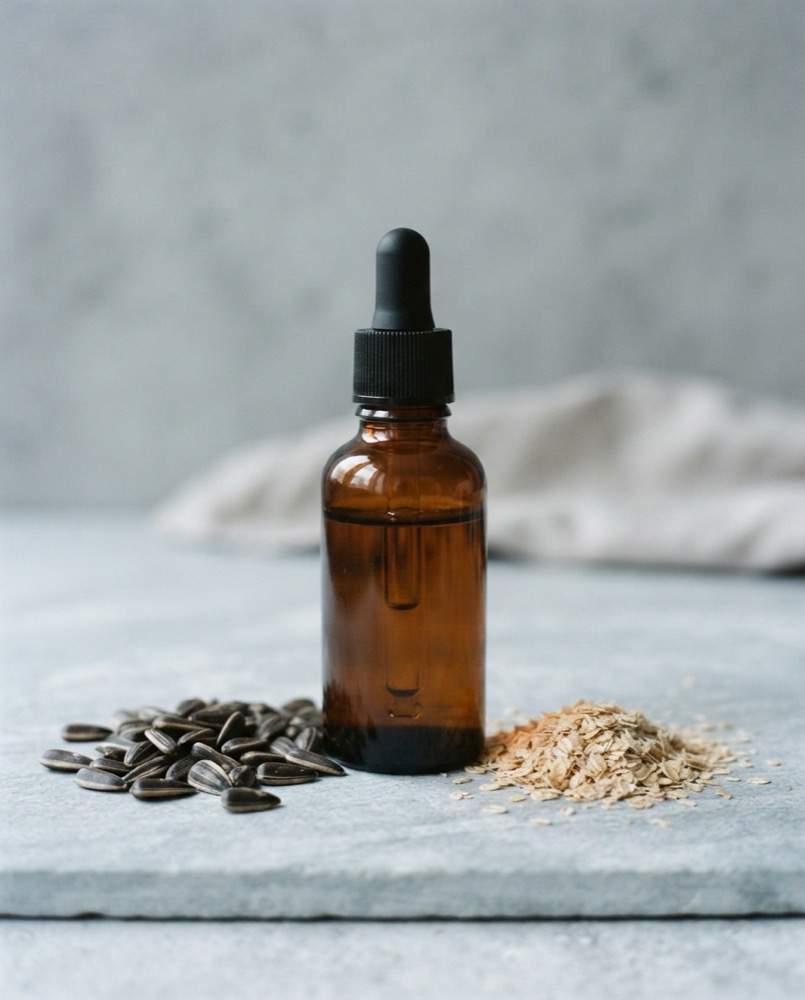
Tocopherol is the INCI name for vitamin E in its natural, unesterified form – most often alpha-tocopherol, the variant the body uses most readily. If you see it on an ingredients list, you are looking at active vitamin E rather than a precursor.
Being fat-soluble, it embeds in the lipid layers of the skin barrier, where it neutralises free radicals and protects cell membranes from oxidation.
What skin concerns does tocopherol treat?
It defends against UV and pollution-driven oxidative stress, conditions dry and rough skin as an emollient, and helps the barrier retain water. In formulations it doubles as a preservative for other oils, slowing rancidity.
It is often included at low percentages precisely for that stabilising role. As a standalone treatment for scars or stretch marks the evidence is thin, and undiluted tocopherol oil can irritate sensitive skin.
What ingredients are best paired with tocopherol?
Pairing it with vitamin C and ferulic acid is the best-documented combination, producing greater photoprotection than any of them alone and keeping the vitamin C stable for longer.
It also sits comfortably with squalane, ceramides, niacinamide and plant oils. Acne-prone skin should look for it in a lightweight serum rather than a rich balm. Take our Skin Quiz.
What is cystic acne?
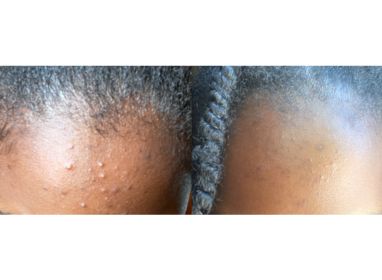
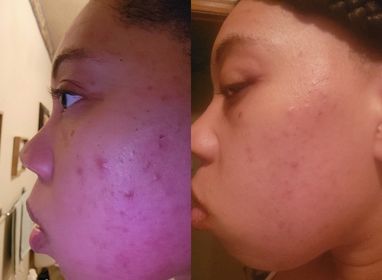
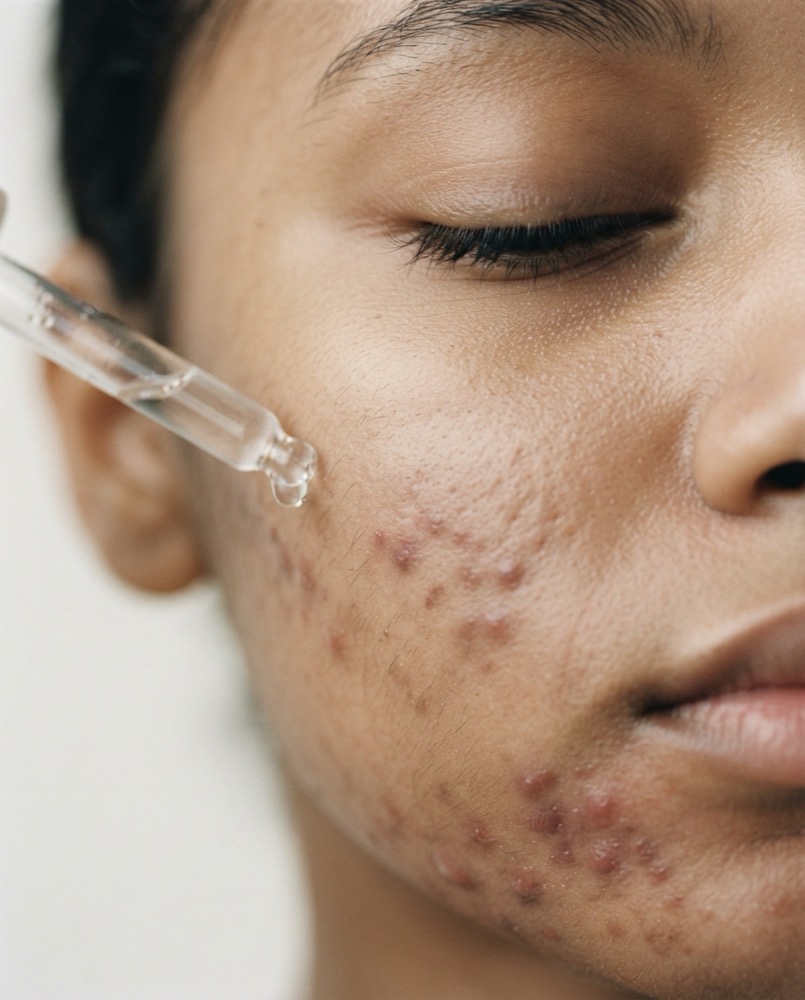
Cystic acne is the most severe form of inflammatory acne. Instead of surface pimples, it produces deep, tender nodules and fluid-filled cysts that sit under the skin, often without ever coming to a head.
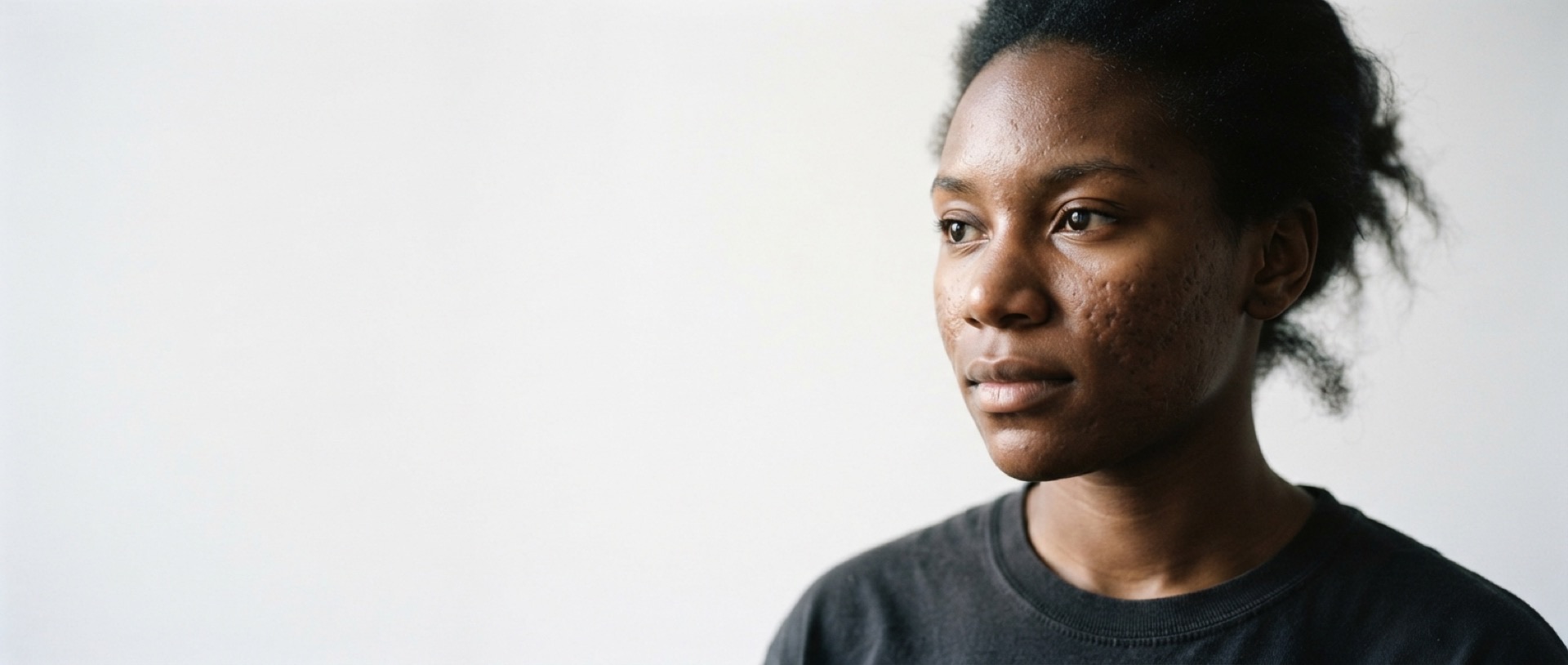
It happens when a blocked follicle ruptures deep in the dermis and spills sebum, keratin and bacteria into surrounding tissue, triggering a strong immune inflammatory response. Because the damage is deep, cystic acne is the type most likely to scar.
What causes cystic acne?
The same four factors behind all acne, amplified: excess sebum, abnormal shedding inside the follicle, overgrowth of Cutibacterium acnes, and inflammation. Androgens drive sebum production, which is why cystic acne often tracks with hormonal cycles, PCOS or puberty.
Genetics strongly influence severity, and stress, high-glycaemic diets, occlusive products and picking at lesions all make it worse. Squeezing a cyst pushes the contents deeper and reliably increases scarring.
What ingredients are best for cystic acne?
Cystic acne genuinely warrants a dermatologist – oral treatment is often needed. Alongside that, topical retinoids are the most useful over-the-counter active, because they work on the plug before it ruptures.
Benzoyl peroxide reduces bacterial load, azelaic acid calms inflammation and post-acne marks, and niacinamide helps redness without irritation. Keep the rest of the routine gentle and barrier-focused – harsh scrubs and drying alcohol make deep lesions angrier. Take our Skin Quiz.