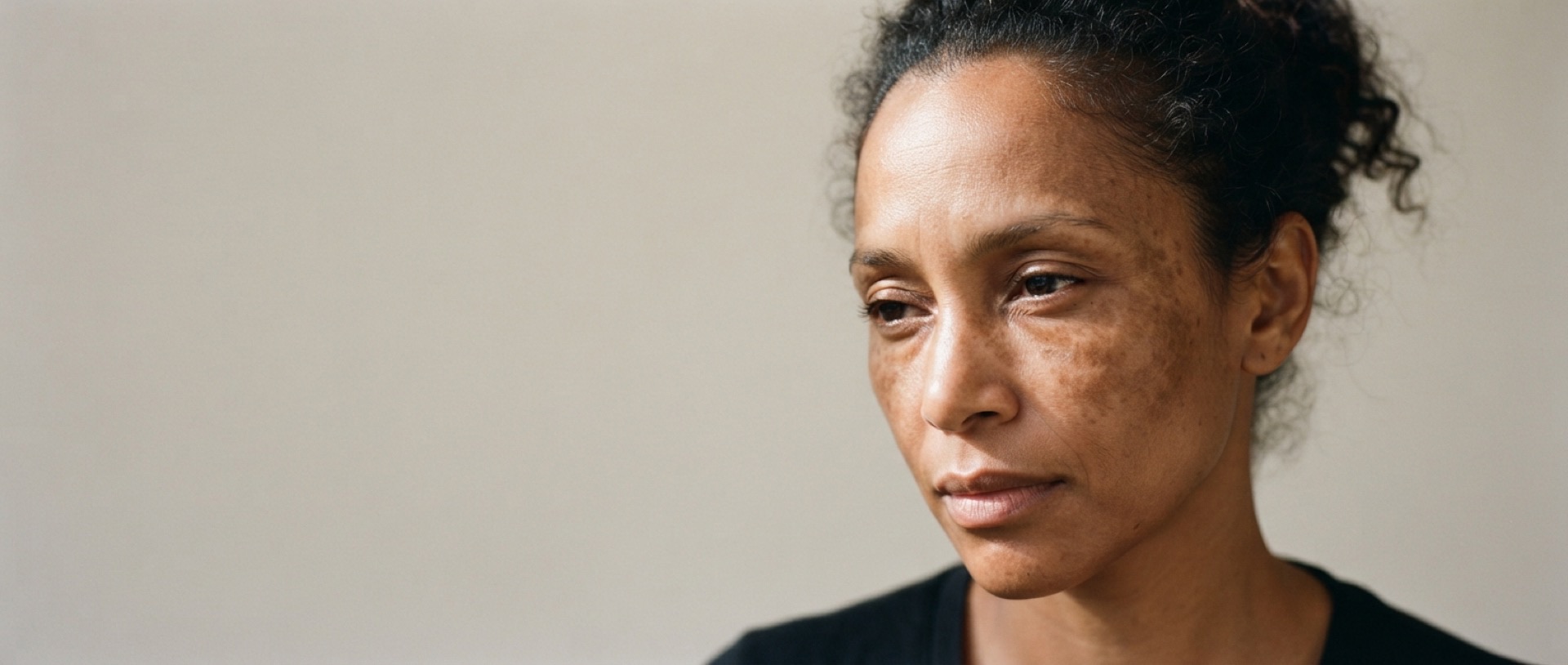
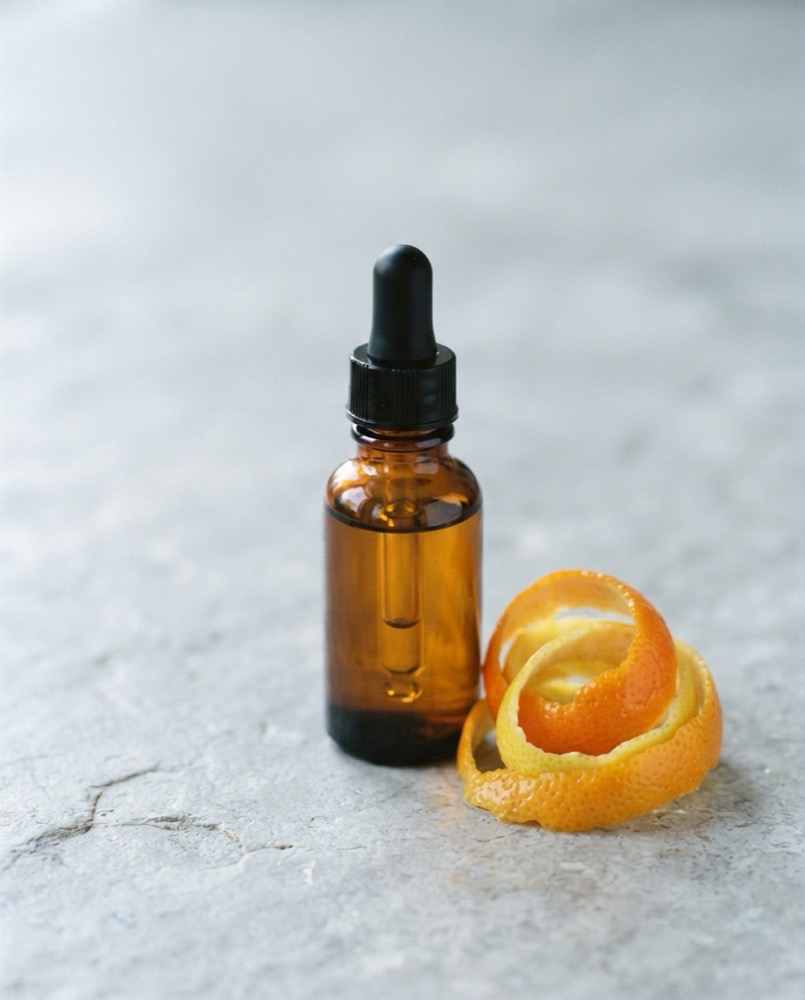
What is tetrahexyldecyl ascorbate in skincare?
Tetrahexyldecyl ascorbate – usually shortened to THD ascorbate or THDA – is an oil-soluble ester of vitamin C. Attaching fatty chains to ascorbic acid makes it lipophilic, so it dissolves in the oil phase of a formula rather than the water phase.
That solves two problems at once. It is far more stable than pure L-ascorbic acid, and being oil-soluble it penetrates the lipid-rich barrier more readily. It also works at skin-friendly pH, so it does not sting the way a low-pH vitamin C serum can.
What skin concerns does tetrahexyldecyl ascorbate treat?
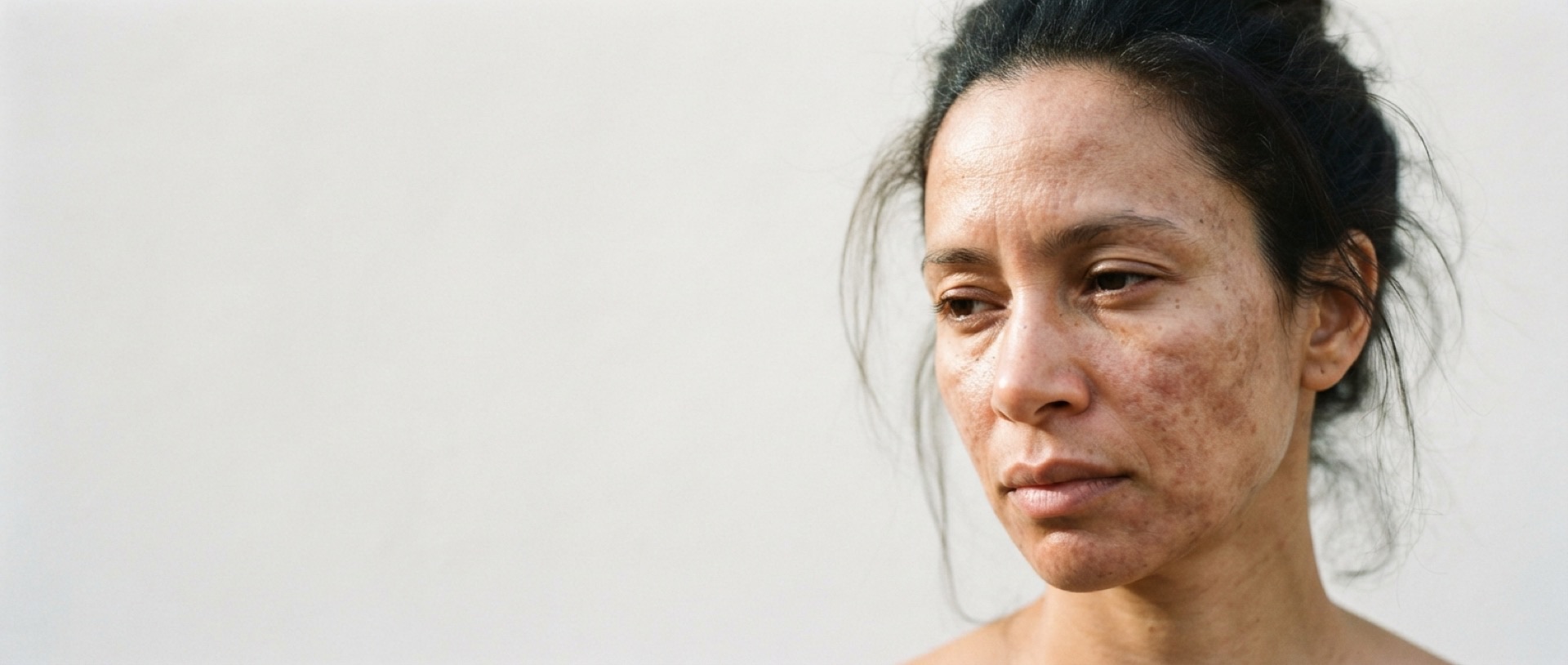
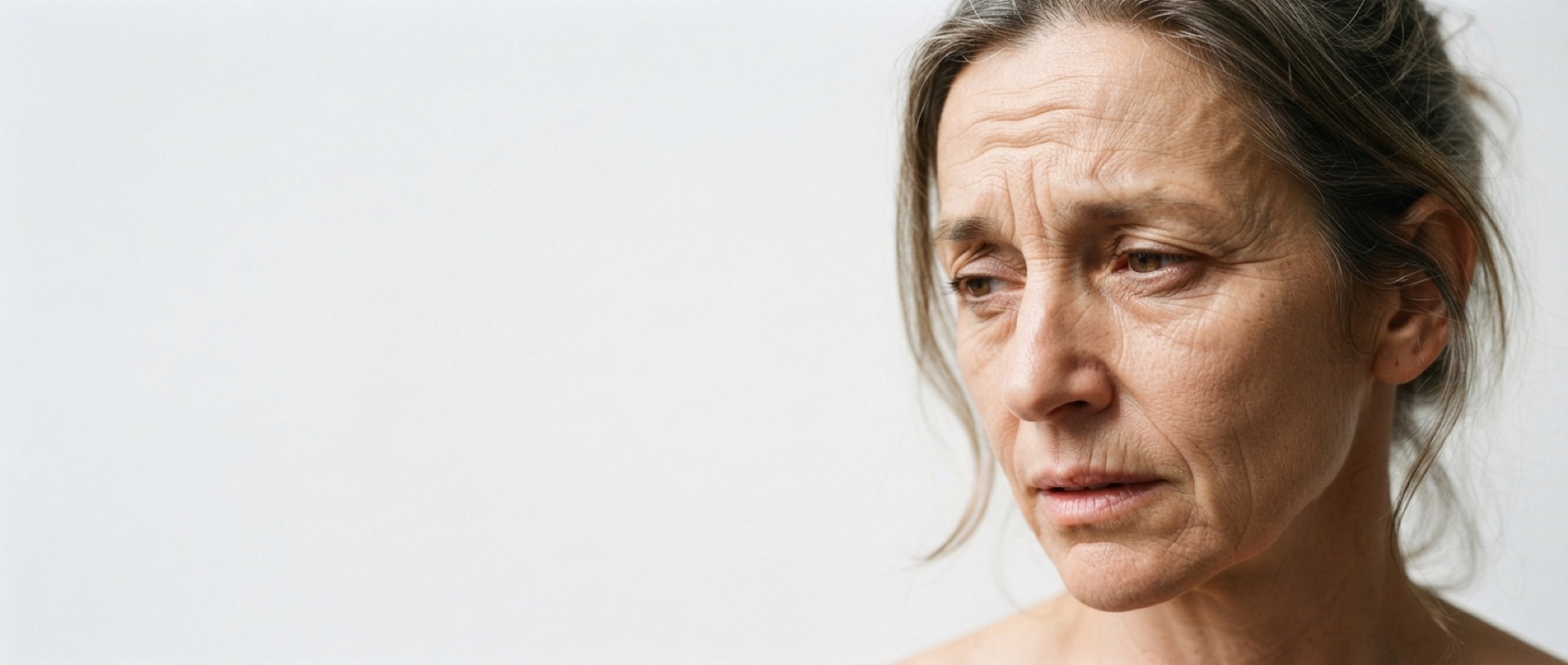
Once converted to ascorbic acid in the skin it does what vitamin C does: neutralises free radicals, inhibits tyrosinase to fade pigment, and supports collagen synthesis for firmness and fine lines.
It is a good fit for dry and sensitive skin that cannot tolerate L-ascorbic acid. One caveat from the stability literature is that THDA degrades quickly under some conditions despite its reputation, so packaging and formulation still matter.
What ingredients are best paired with tetrahexyldecyl ascorbate?
Vitamin E and ferulic acid support it as they do any vitamin C, and because it is oil-soluble it sits naturally alongside squalane, ceramides and facial oils.
It layers comfortably with niacinamide, peptides and retinoids, and it is gentle enough to use morning and night. As with all ascorbic acid derivatives, results depend on conversion in the skin, so give it three months before judging. Take our Skin Quiz.
What is cystic acne?
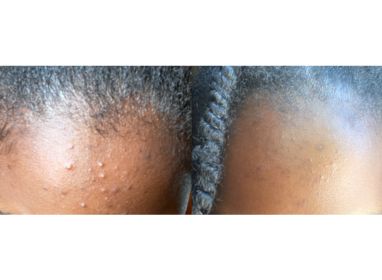
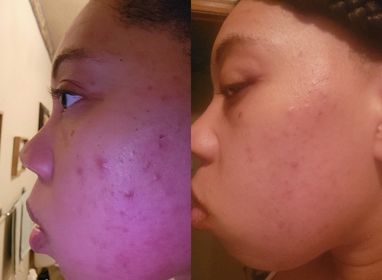
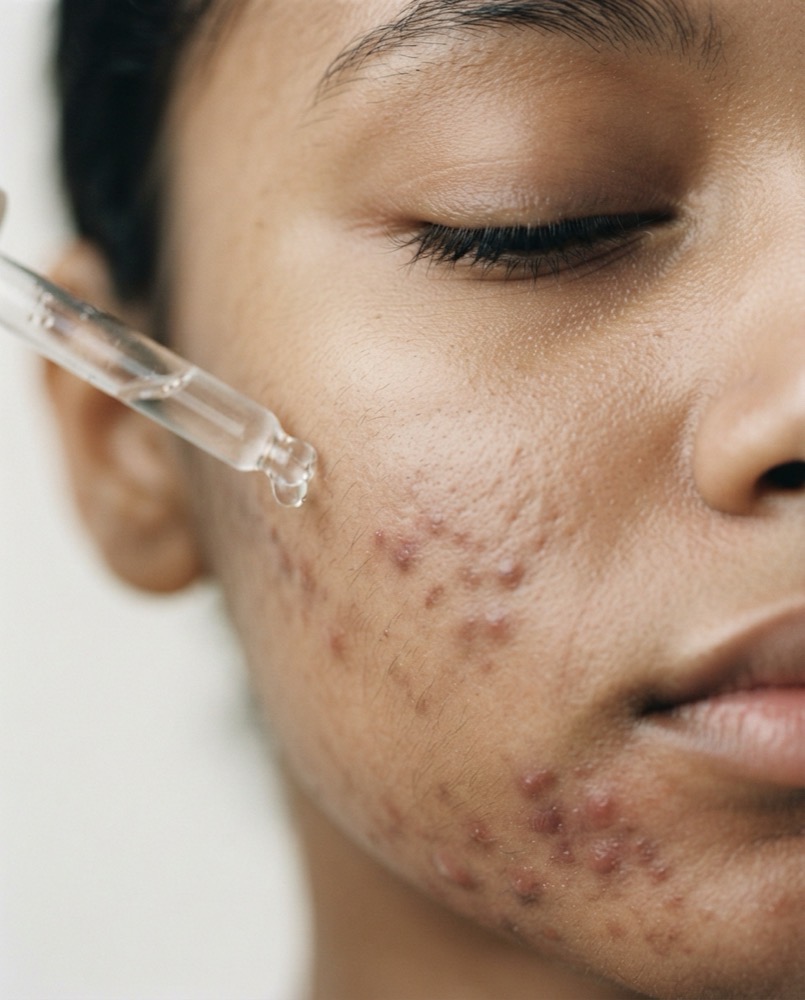
Cystic acne is the most severe form of inflammatory acne. Instead of surface pimples, it produces deep, tender nodules and fluid-filled cysts that sit under the skin, often without ever coming to a head.
It happens when a blocked follicle ruptures deep in the dermis and spills sebum, keratin and bacteria into surrounding tissue, triggering a strong immune inflammatory response. Because the damage is deep, cystic acne is the type most likely to scar.
What causes cystic acne?
The same four factors behind all acne, amplified: excess sebum, abnormal shedding inside the follicle, overgrowth of Cutibacterium acnes, and inflammation. Androgens drive sebum production, which is why cystic acne often tracks with hormonal cycles, PCOS or puberty.
Genetics strongly influence severity, and stress, high-glycaemic diets, occlusive products and picking at lesions all make it worse. Squeezing a cyst pushes the contents deeper and reliably increases scarring.
What ingredients are best for cystic acne?
Cystic acne genuinely warrants a dermatologist – oral treatment is often needed. Alongside that, topical retinoids are the most useful over-the-counter active, because they work on the plug before it ruptures.
Benzoyl peroxide reduces bacterial load, azelaic acid calms inflammation and post-acne marks, and niacinamide helps redness without irritation. Keep the rest of the routine gentle and barrier-focused – harsh scrubs and drying alcohol make deep lesions angrier. Take our Skin Quiz.