

What is tea tree oil in skincare?
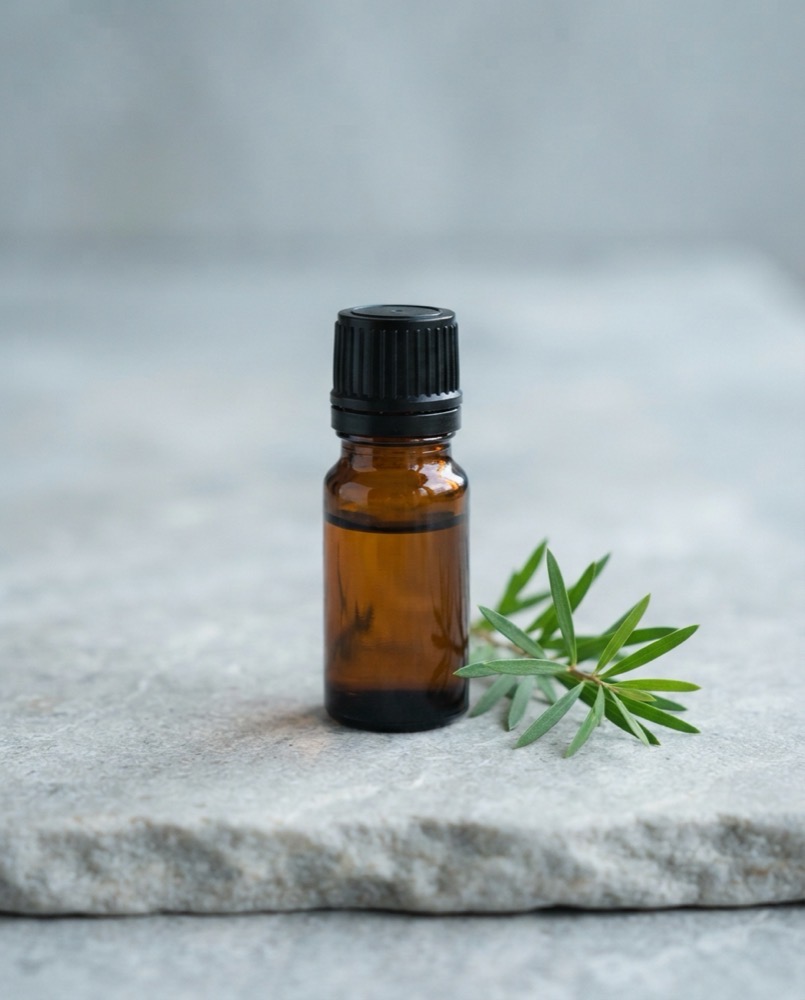
Tea tree oil is an essential oil steam-distilled from the leaves of Melaleuca alternifolia, an Australian shrub used medicinally by Aboriginal communities long before it reached Western pharmacies.
Its active constituent is terpinen-4-ol, which accounts for most of its antimicrobial and anti-inflammatory activity. Quality varies considerably between products, and oil that has oxidised is both less effective and more irritating.
What skin concerns does tea tree oil treat?
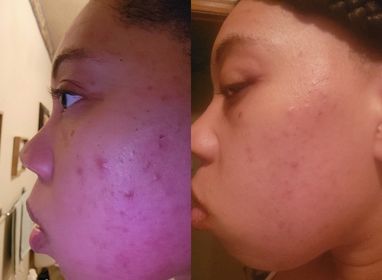
Acne is its best-supported use. A comparative trial against benzoyl peroxide found 5% tea tree oil produced a similar reduction in inflamed lesions, more slowly but with markedly fewer side effects.
It is also used for fungal conditions such as athlete’s foot and nail infections, for dandruff, and for insect bites and minor wounds. Its antibacterial and anti-inflammatory action makes it a reasonable spot treatment.
What ingredients are best paired with tea tree oil?
Never apply it undiluted – dilute to around 5% in a carrier such as jojoba or squalane. Pair it with niacinamide and salicylic acid for acne, and with ceramides to protect the barrier.
It is not suitable for delicate or very sensitive skin, and allergic contact dermatitis is relatively common, so always patch test. Store it in dark glass; oxidised tea tree oil is a well-documented sensitiser. Take our Skin Quiz.
What is cystic acne?
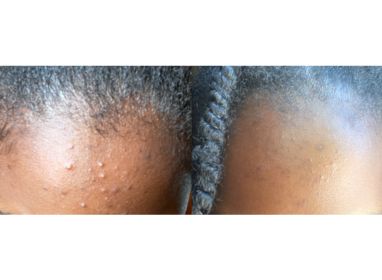
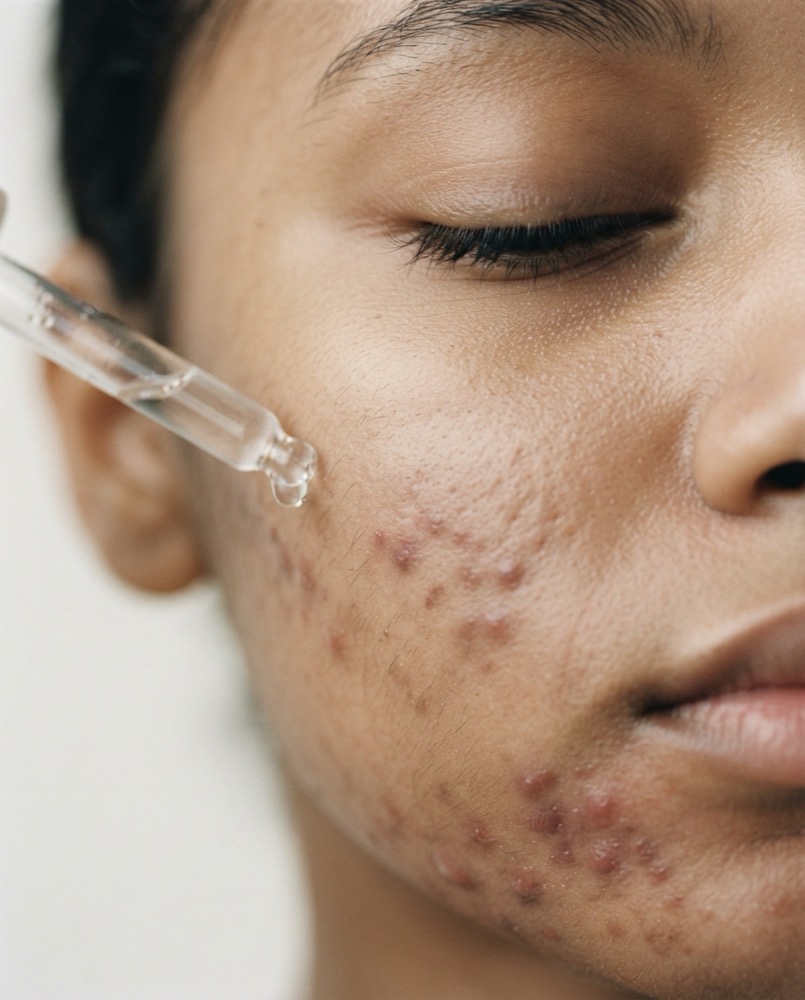
Cystic acne is the most severe form of inflammatory acne. Instead of surface pimples, it produces deep, tender nodules and fluid-filled cysts that sit under the skin, often without ever coming to a head.
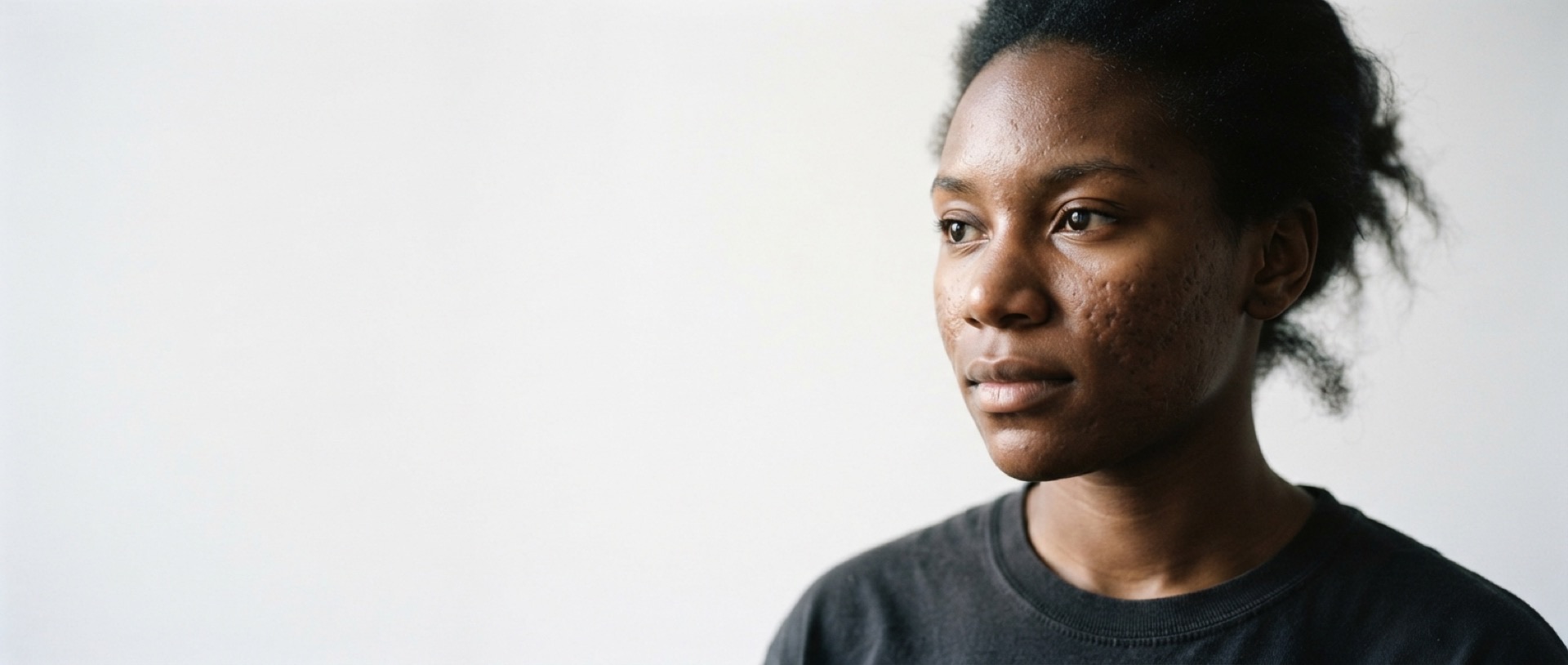
It happens when a blocked follicle ruptures deep in the dermis and spills sebum, keratin and bacteria into surrounding tissue, triggering a strong immune inflammatory response. Because the damage is deep, cystic acne is the type most likely to scar.
What causes cystic acne?
The same four factors behind all acne, amplified: excess sebum, abnormal shedding inside the follicle, overgrowth of Cutibacterium acnes, and inflammation. Androgens drive sebum production, which is why cystic acne often tracks with hormonal cycles, PCOS or puberty.
Genetics strongly influence severity, and stress, high-glycaemic diets, occlusive products and picking at lesions all make it worse. Squeezing a cyst pushes the contents deeper and reliably increases scarring.
What ingredients are best for cystic acne?
Cystic acne genuinely warrants a dermatologist – oral treatment is often needed. Alongside that, topical retinoids are the most useful over-the-counter active, because they work on the plug before it ruptures.
Benzoyl peroxide reduces bacterial load, azelaic acid calms inflammation and post-acne marks, and niacinamide helps redness without irritation. Keep the rest of the routine gentle and barrier-focused – harsh scrubs and drying alcohol make deep lesions angrier. Take our Skin Quiz.