

What is tea tree oil in skincare?
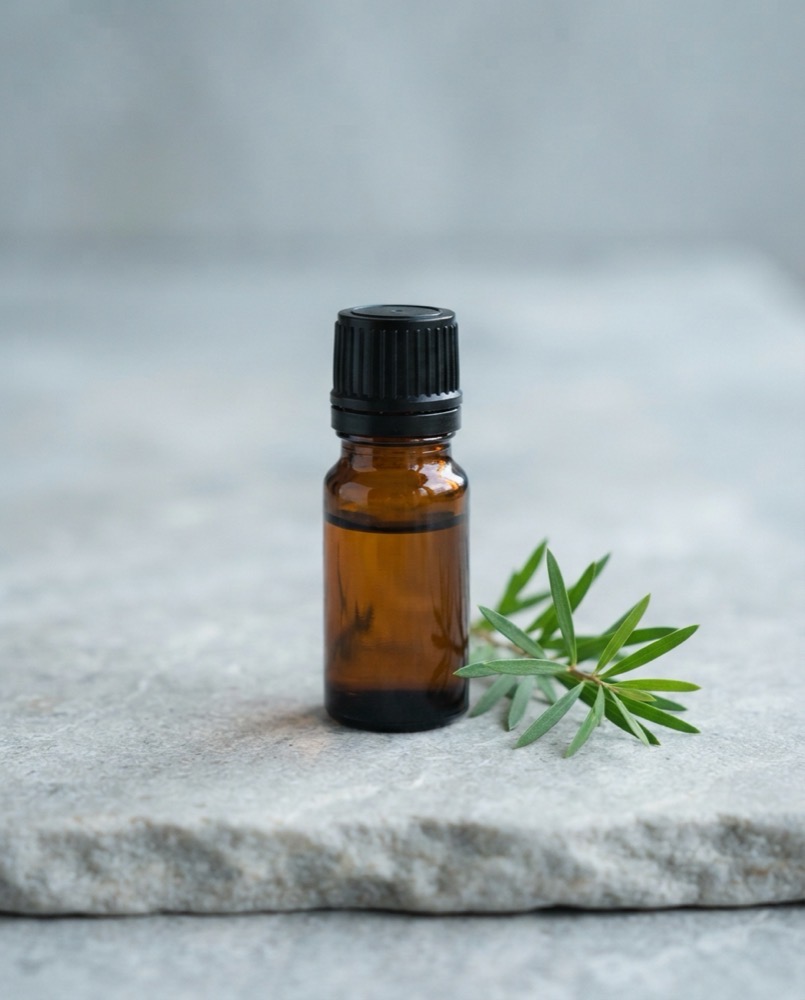
Tea tree oil is an essential oil steam-distilled from the leaves of Melaleuca alternifolia, an Australian shrub used medicinally by Aboriginal communities long before it reached Western pharmacies.
Its active constituent is terpinen-4-ol, which accounts for most of its antimicrobial and anti-inflammatory activity. Quality varies considerably between products, and oil that has oxidised is both less effective and more irritating.
What skin concerns does tea tree oil treat?
Acne is its best-supported use. A comparative trial against benzoyl peroxide found 5% tea tree oil produced a similar reduction in inflamed lesions, more slowly but with markedly fewer side effects.
It is also used for fungal conditions such as athlete’s foot and nail infections, for dandruff, and for insect bites and minor wounds. Its antibacterial and anti-inflammatory action makes it a reasonable spot treatment.
What ingredients are best paired with tea tree oil?
Never apply it undiluted – dilute to around 5% in a carrier such as jojoba or squalane. Pair it with niacinamide and salicylic acid for acne, and with ceramides to protect the barrier.
It is not suitable for delicate or very sensitive skin, and allergic contact dermatitis is relatively common, so always patch test. Store it in dark glass; oxidised tea tree oil is a well-documented sensitiser. Take our Skin Quiz.
What are clogged pores?
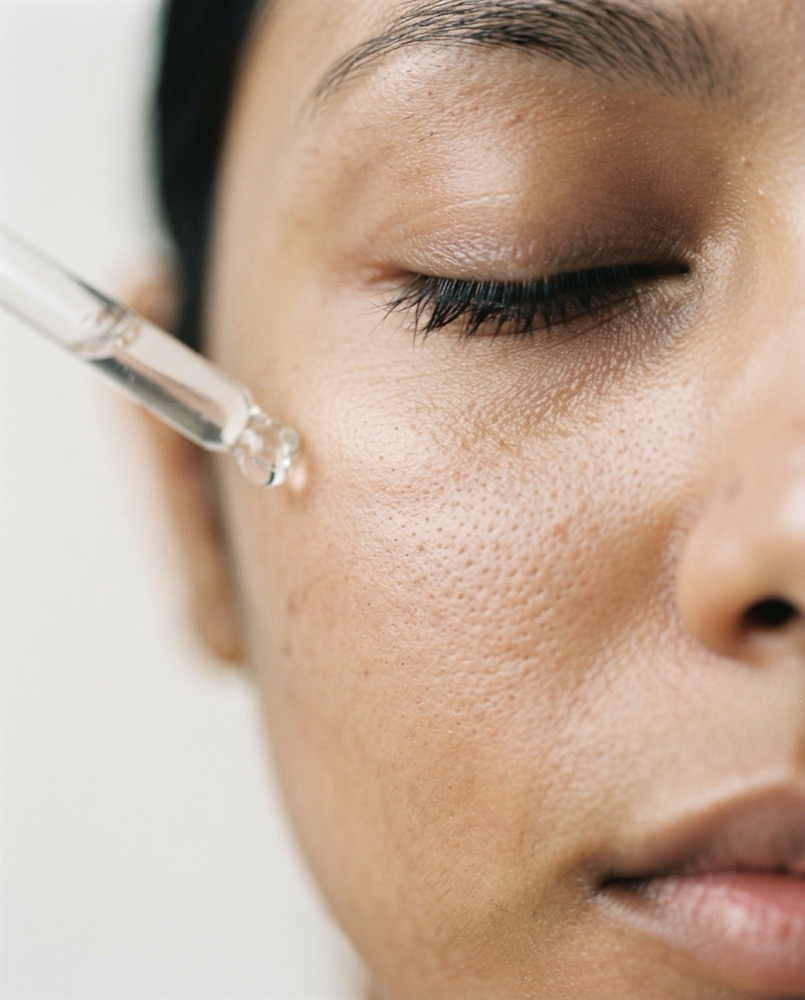
A clogged pore is a hair follicle blocked by a mix of sebum, dead skin cells and debris. Left open to the air the plug oxidises and darkens into a blackhead; sealed over by skin it becomes a whitehead or closed comedone.
Clogged pores are the starting point of nearly all acne – the microcomedone forms first, and inflammation follows only if bacteria and immune response get involved.
What causes clogged pores?
Excess sebum and abnormal keratinisation are the two mechanics. When the follicle lining sheds cells faster than they can clear, they bind with oil and form a plug.
Comedogenic products (heavy oils, some silicones and waxes), thick makeup worn for long stretches, humidity, sweat left on the skin, hormonal shifts and insufficient cleansing all contribute. So does over-cleansing, which damages the barrier and drives oil production up.
What ingredients are best for clogged pores?
Salicylic acid is the first choice because it is oil-soluble and works inside the pore rather than just on the surface. Glycolic and lactic acid clear the surface layer, and clay masks absorb excess oil weekly.
Retinoids are the most effective long-term fix, because they change how the follicle sheds in the first place. Add niacinamide to regulate sebum and keep the barrier intact, and switch to non-comedogenic, lightweight hydrators. Take our Skin Quiz to find products that will not re-clog you.