

What is squalane in skincare?
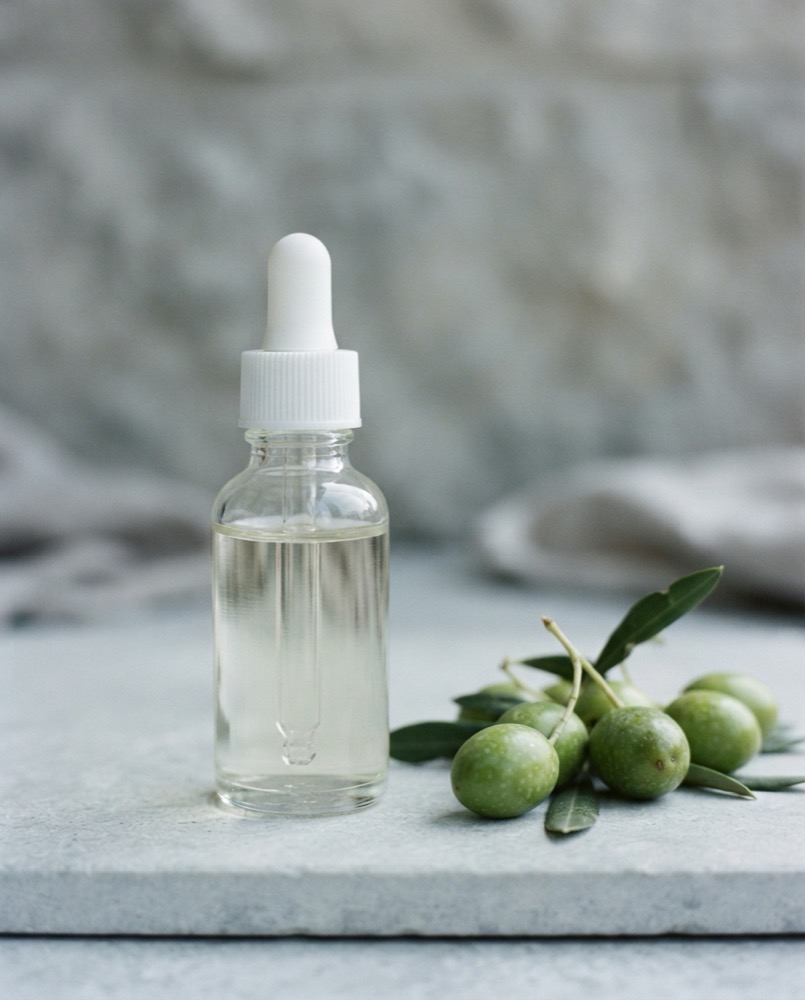
Squalane is the stable, hydrogenated version of squalene – a lipid your own sebaceous glands produce, and one of the components that keeps skin soft and water-resistant. Squalene itself oxidises quickly; squalane does not, which is why formulations use it.
It was historically harvested from shark liver, but cosmetic-grade squalane today is almost always derived from olives or sugarcane fermentation. Squalene levels in skin decline with age, which is part of why mature skin feels drier.
What skin concerns does squalane treat?
It relieves dryness, tightness and rough texture, and supports barrier repair without the heaviness of a butter or the shine of a traditional oil. It is lightweight, absorbs fast and is non-comedogenic, so oily and acne-prone skin can use it comfortably.
Research also points to antioxidant activity and a protective effect on collagen synthesis after UV exposure, giving it a mild role in ageing prevention as well as comfort.
What ingredients are best paired with squalane?
Use it as the sealing step over humectants – hyaluronic acid, glycerin, sodium hyaluronate – and alongside ceramides for full barrier repair.
It is an ideal buffer for strong actives: applied before or after a retinoid or acid, it noticeably reduces stinging and flaking without blocking the active. It suits every skin type and has almost no interaction risk. Take our Skin Quiz.
What are wrinkles?
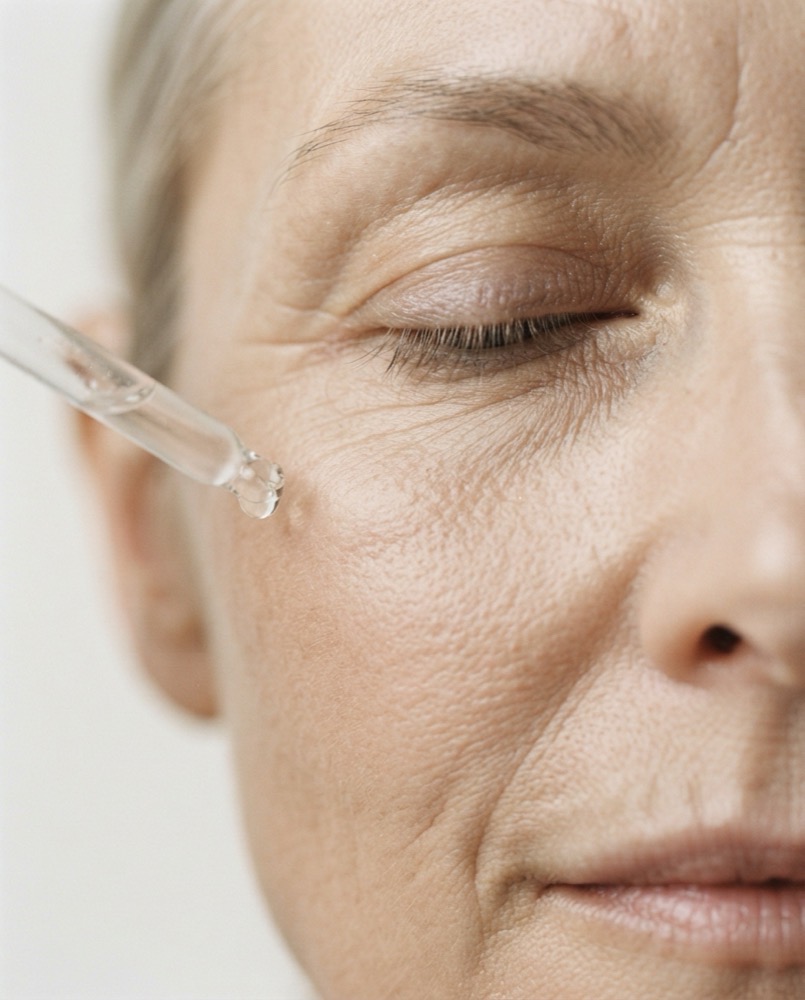
Wrinkles are permanent folds and creases in the skin. They begin as dynamic lines that appear only with expression, then set into static lines visible at rest once the underlying support structure can no longer push them back out.
They form first where skin is thin and movement is constant: crow’s feet, forehead lines, frown lines between the brows, and nasolabial folds. Deeper folds also reflect loss of fat and bone volume, not just skin change.
What causes wrinkles?
Internally, collagen and elastin production declines steadily from the mid-twenties and the dermal matrix thins, so skin loses the scaffolding that keeps it smooth.
Externally, ultraviolet radiation does most of the damage – it activates enzymes that break down collagen and degrades elastic fibres. Smoking, pollution, sugar-driven glycation, poor sleep, sleeping position and repeated facial movement all accelerate the process.
What ingredients are best for wrinkles?
Retinoids have the deepest evidence base for stimulating collagen and measurably reducing wrinkle depth over six to twelve months. Vitamin C supports synthesis while neutralising the free radicals that break it down, and peptides signal repair.
Round it out with hyaluronic acid and ceramides for hydration and barrier strength, niacinamide for elasticity and tone, and AHAs for surface renewal. Daily broad-spectrum SPF is the most effective anti-wrinkle product there is. Take our Skin Quiz.