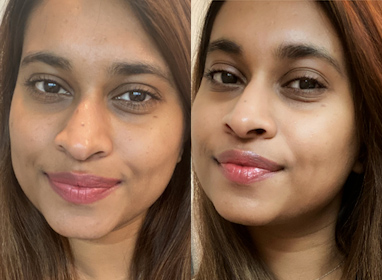
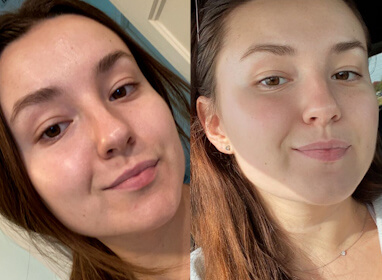
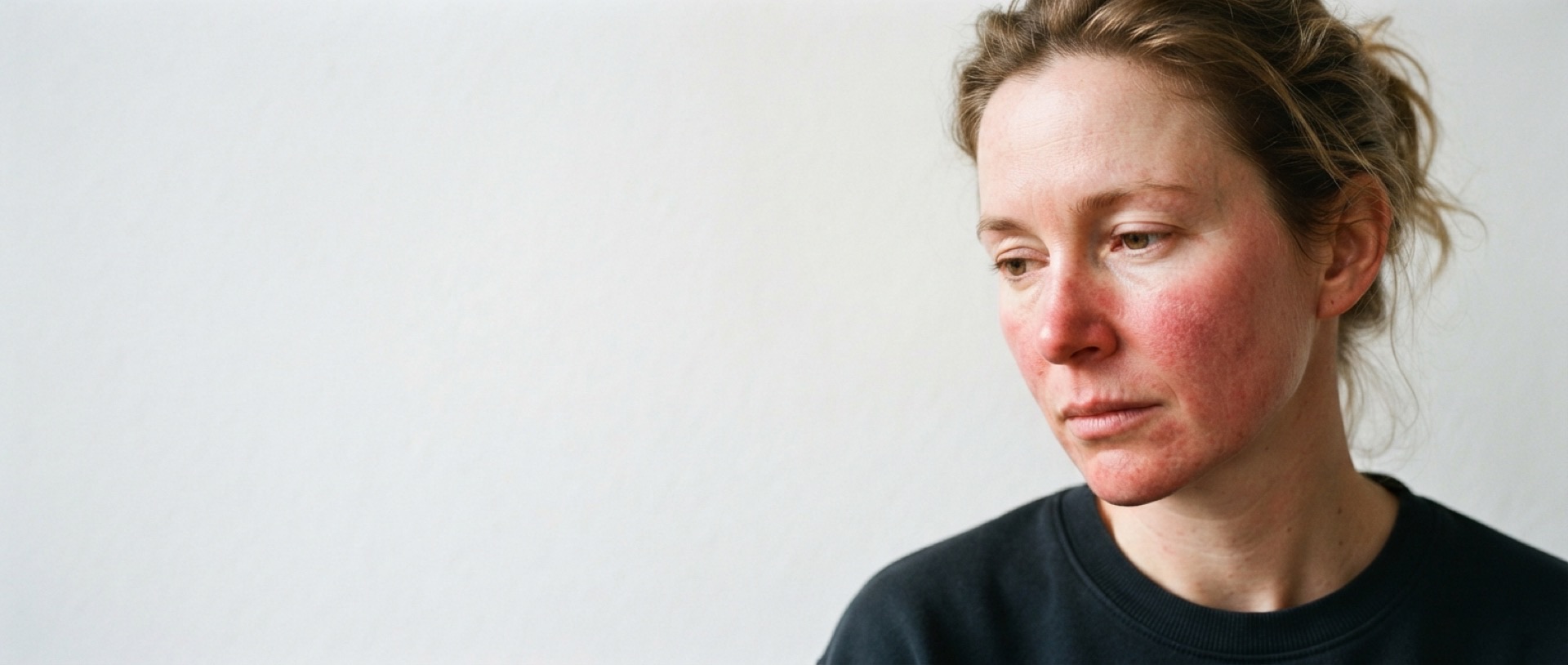
What is squalane in skincare?
Squalane is the stable, hydrogenated version of squalene – a lipid your own sebaceous glands produce, and one of the components that keeps skin soft and water-resistant. Squalene itself oxidises quickly; squalane does not, which is why formulations use it.
It was historically harvested from shark liver, but cosmetic-grade squalane today is almost always derived from olives or sugarcane fermentation. Squalene levels in skin decline with age, which is part of why mature skin feels drier.
What skin concerns does squalane treat?
It relieves dryness, tightness and rough texture, and supports barrier repair without the heaviness of a butter or the shine of a traditional oil. It is lightweight, absorbs fast and is non-comedogenic, so oily and acne-prone skin can use it comfortably.
Research also points to antioxidant activity and a protective effect on collagen synthesis after UV exposure, giving it a mild role in ageing prevention as well as comfort.
What ingredients are best paired with squalane?
Use it as the sealing step over humectants – hyaluronic acid, glycerin, sodium hyaluronate – and alongside ceramides for full barrier repair.
It is an ideal buffer for strong actives: applied before or after a retinoid or acid, it noticeably reduces stinging and flaking without blocking the active. It suits every skin type and has almost no interaction risk. Take our Skin Quiz.
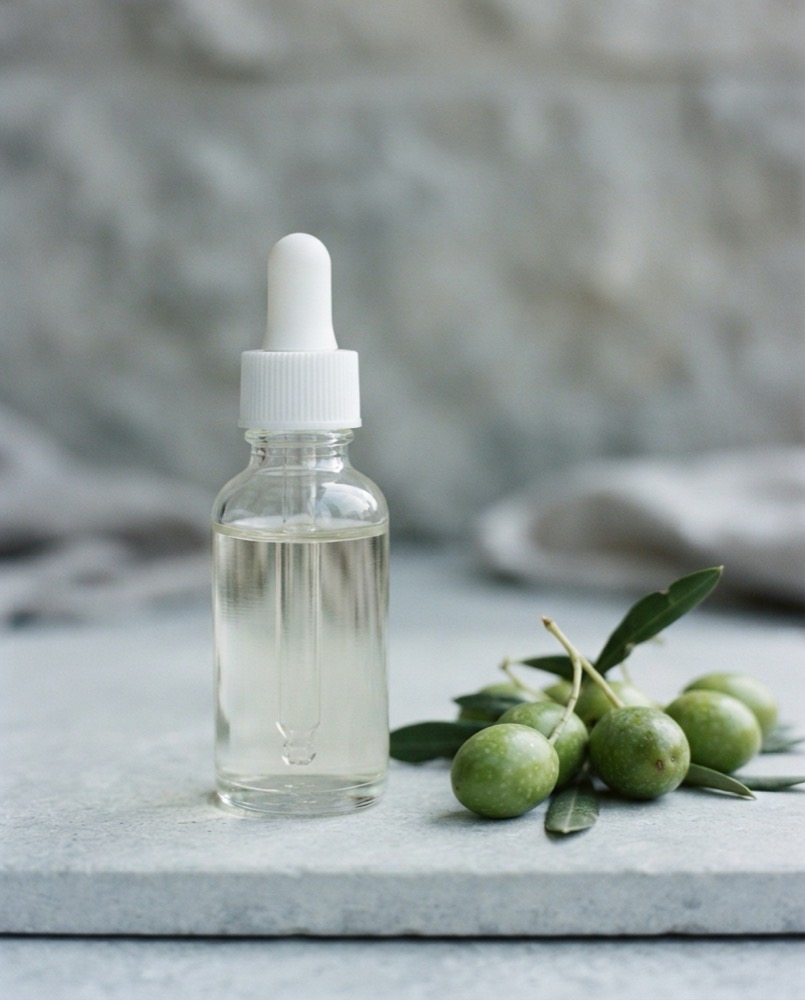
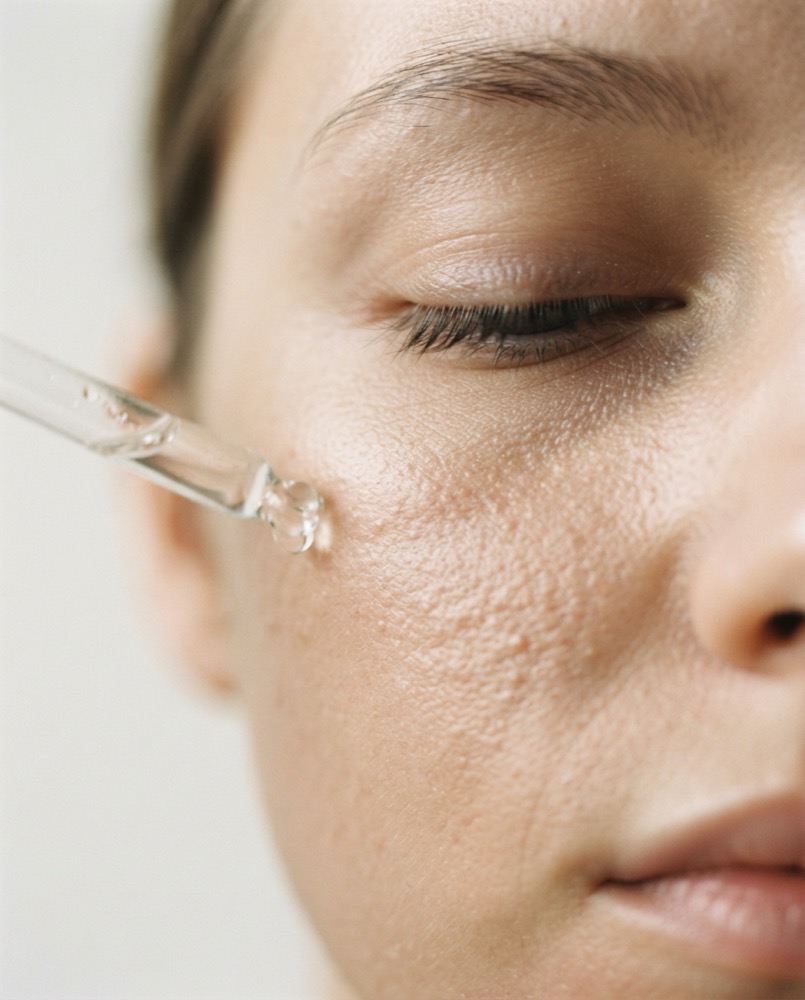
What is bumpy skin?
Bumpy skin is a texture problem rather than a single condition. It covers the rough, uneven surface you can feel more than see – most often keratosis pilaris (small hard bumps on the upper arms, thighs and cheeks), closed comedones, milia, or simple build-up of dead cells on the surface.
Keratosis pilaris in particular affects a large share of the population and is harmless, but it makes skin feel like sandpaper and can be stubborn to smooth out.
What causes bumpy skin?
Most bumpy texture comes from keratin plugging the follicle. When dead cells fail to shed cleanly, they collect at the pore opening and form a firm bump – a process closely linked to a weakened permeability barrier and low skin hydration.
Genetics, dry skin, cold weather, eczema and a history of over-scrubbing all make it worse. Aggressive physical exfoliation tends to backfire, inflaming the follicle and thickening the plug.
What ingredients are best for bumpy skin?
Chemical exfoliation works far better than scrubbing. Salicylic acid clears inside the follicle, lactic and glycolic acid loosen surface build-up, and urea both exfoliates and hydrates.
Retinoids normalise how skin sheds over time, while ceramides, niacinamide and hyaluronic acid keep the barrier strong so the plugs stop reforming. Consistency matters more than strength here. Take our Skin Quiz to work out which exfoliant your skin can tolerate.