What is sodium hyaluronate in skincare?
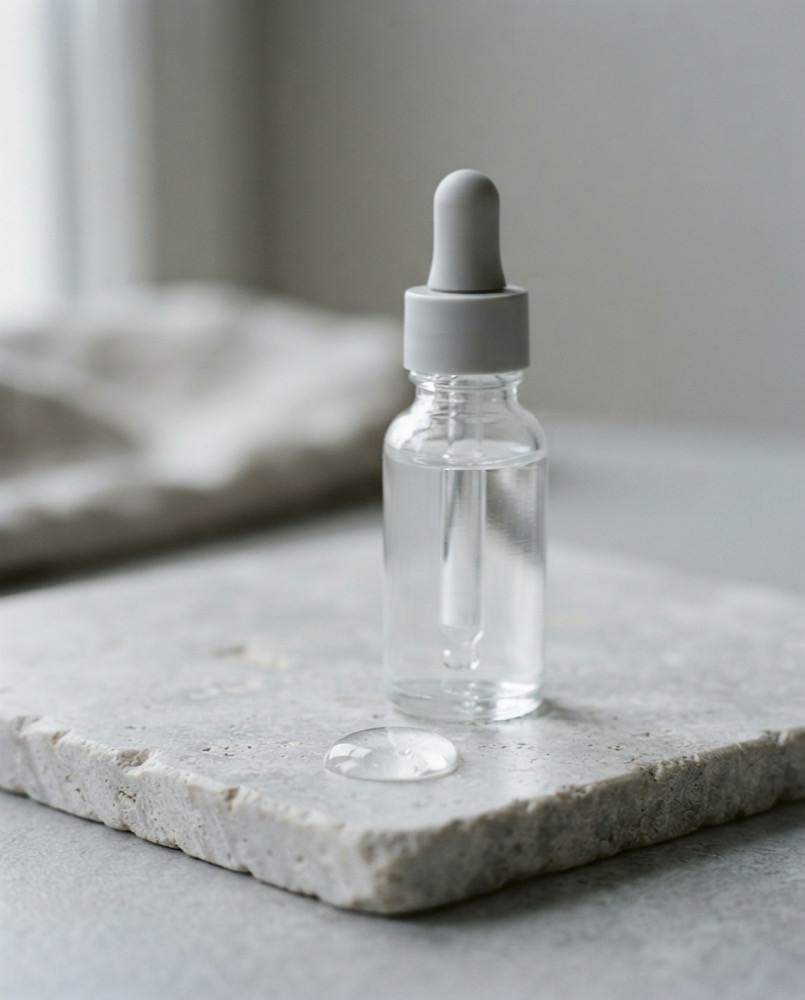
Sodium hyaluronate is the sodium salt of hyaluronic acid – the form most commonly used in cosmetic formulation. It is more stable, less prone to oxidation and has a smaller molecular size than pure hyaluronic acid.
That smaller size is the practical difference: sodium hyaluronate penetrates the upper epidermis rather than sitting entirely on the surface, so it hydrates within the skin as well as on it.
What skin concerns does sodium hyaluronate treat?
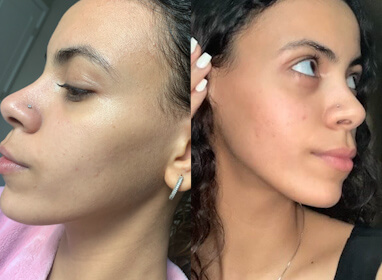
It relieves dehydration, tightness and flakiness in any skin type, and because it is weightless and non-comedogenic it suits oily and acne-prone skin that heavy creams would congest.
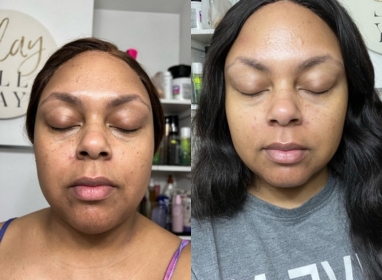
Well-hydrated cells sit plumper, which immediately softens fine lines and improves how light reflects off the face. It also makes retinoids and acids more comfortable to use alongside, by keeping the barrier supple.
What ingredients are best paired with sodium hyaluronate?
It draws water in but cannot hold it, so seal it with ceramides, squalane, shea butter or any decent moisturiser applied immediately after, ideally onto slightly damp skin.
It layers with essentially everything – vitamin C, niacinamide, retinoids, peptides, acids. In very dry air, always cover it with an occlusive so it draws moisture from the air rather than from deeper skin. Take our Skin Quiz.
What are wrinkles?
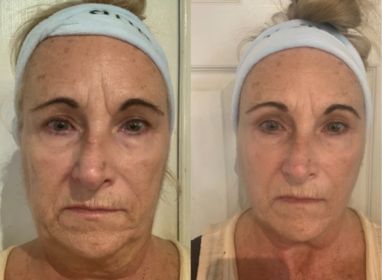
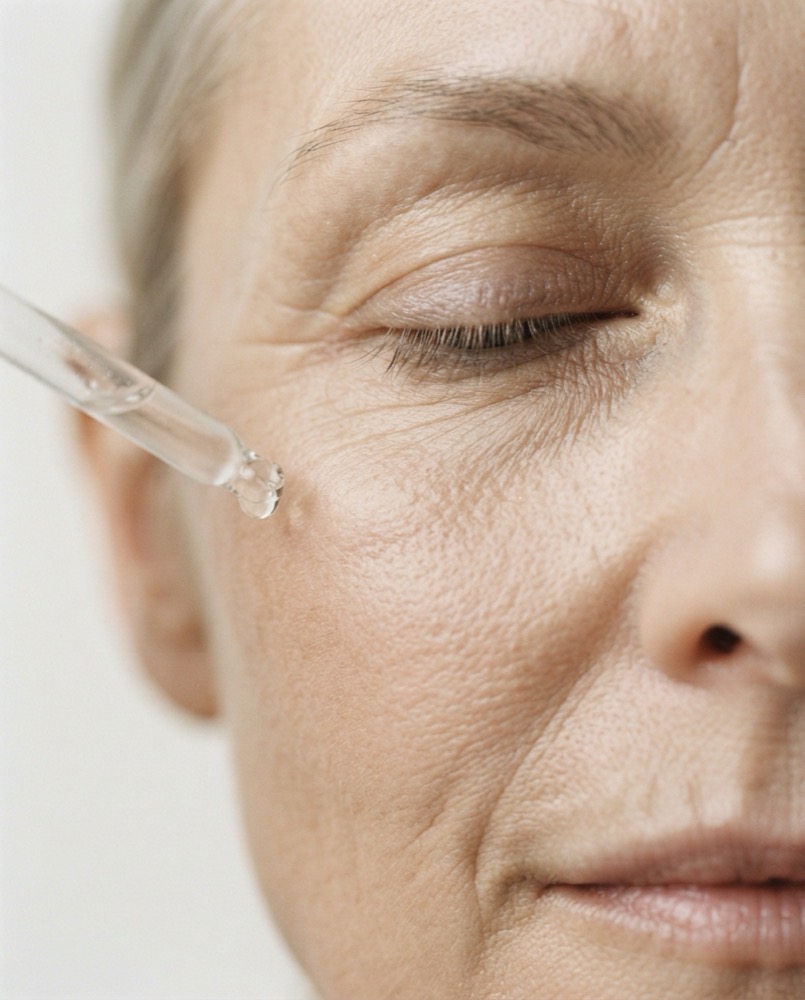
Wrinkles are permanent folds and creases in the skin. They begin as dynamic lines that appear only with expression, then set into static lines visible at rest once the underlying support structure can no longer push them back out.
They form first where skin is thin and movement is constant: crow’s feet, forehead lines, frown lines between the brows, and nasolabial folds. Deeper folds also reflect loss of fat and bone volume, not just skin change.
What causes wrinkles?
Internally, collagen and elastin production declines steadily from the mid-twenties and the dermal matrix thins, so skin loses the scaffolding that keeps it smooth.
Externally, ultraviolet radiation does most of the damage – it activates enzymes that break down collagen and degrades elastic fibres. Smoking, pollution, sugar-driven glycation, poor sleep, sleeping position and repeated facial movement all accelerate the process.
What ingredients are best for wrinkles?
Retinoids have the deepest evidence base for stimulating collagen and measurably reducing wrinkle depth over six to twelve months. Vitamin C supports synthesis while neutralising the free radicals that break it down, and peptides signal repair.
Round it out with hyaluronic acid and ceramides for hydration and barrier strength, niacinamide for elasticity and tone, and AHAs for surface renewal. Daily broad-spectrum SPF is the most effective anti-wrinkle product there is. Take our Skin Quiz.