

What is sodium hyaluronate in skincare?
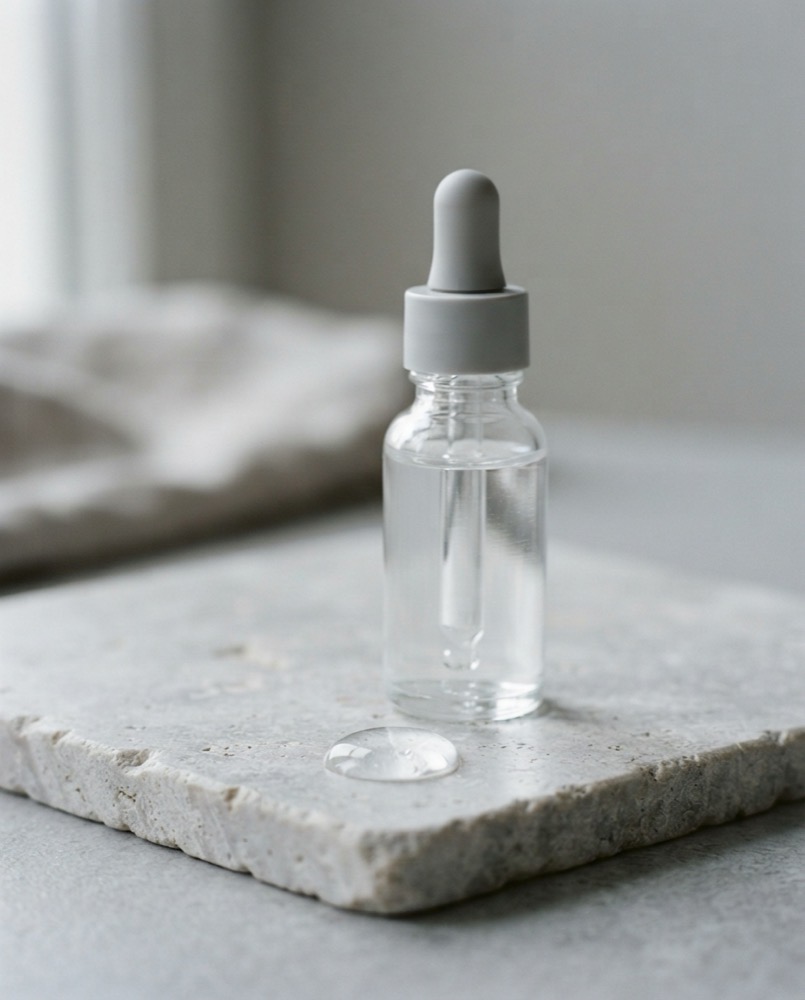
Sodium hyaluronate is the sodium salt of hyaluronic acid – the form most commonly used in cosmetic formulation. It is more stable, less prone to oxidation and has a smaller molecular size than pure hyaluronic acid.
That smaller size is the practical difference: sodium hyaluronate penetrates the upper epidermis rather than sitting entirely on the surface, so it hydrates within the skin as well as on it.
What skin concerns does sodium hyaluronate treat?
It relieves dehydration, tightness and flakiness in any skin type, and because it is weightless and non-comedogenic it suits oily and acne-prone skin that heavy creams would congest.
Well-hydrated cells sit plumper, which immediately softens fine lines and improves how light reflects off the face. It also makes retinoids and acids more comfortable to use alongside, by keeping the barrier supple.
What ingredients are best paired with sodium hyaluronate?
It draws water in but cannot hold it, so seal it with ceramides, squalane, shea butter or any decent moisturiser applied immediately after, ideally onto slightly damp skin.
It layers with essentially everything – vitamin C, niacinamide, retinoids, peptides, acids. In very dry air, always cover it with an occlusive so it draws moisture from the air rather than from deeper skin. Take our Skin Quiz.
What is cystic acne?
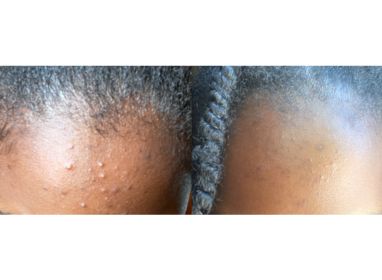
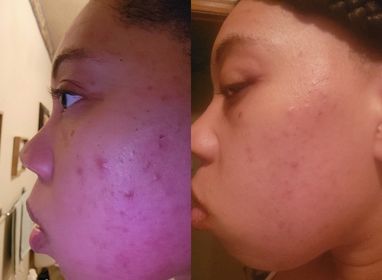
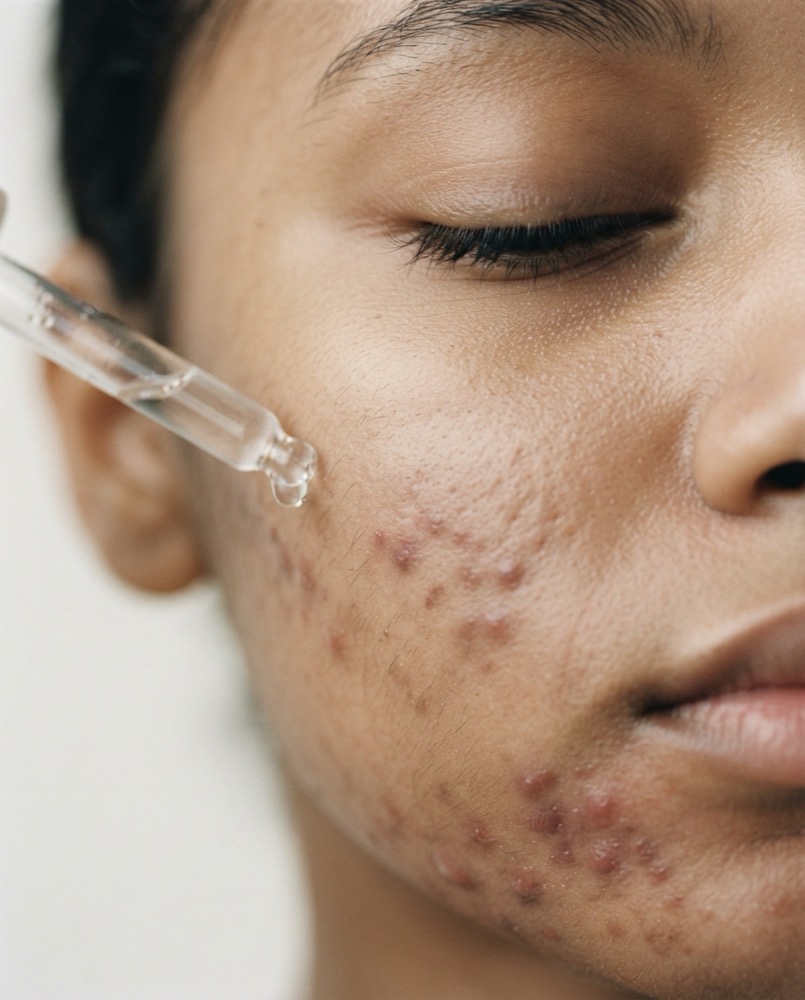
Cystic acne is the most severe form of inflammatory acne. Instead of surface pimples, it produces deep, tender nodules and fluid-filled cysts that sit under the skin, often without ever coming to a head.
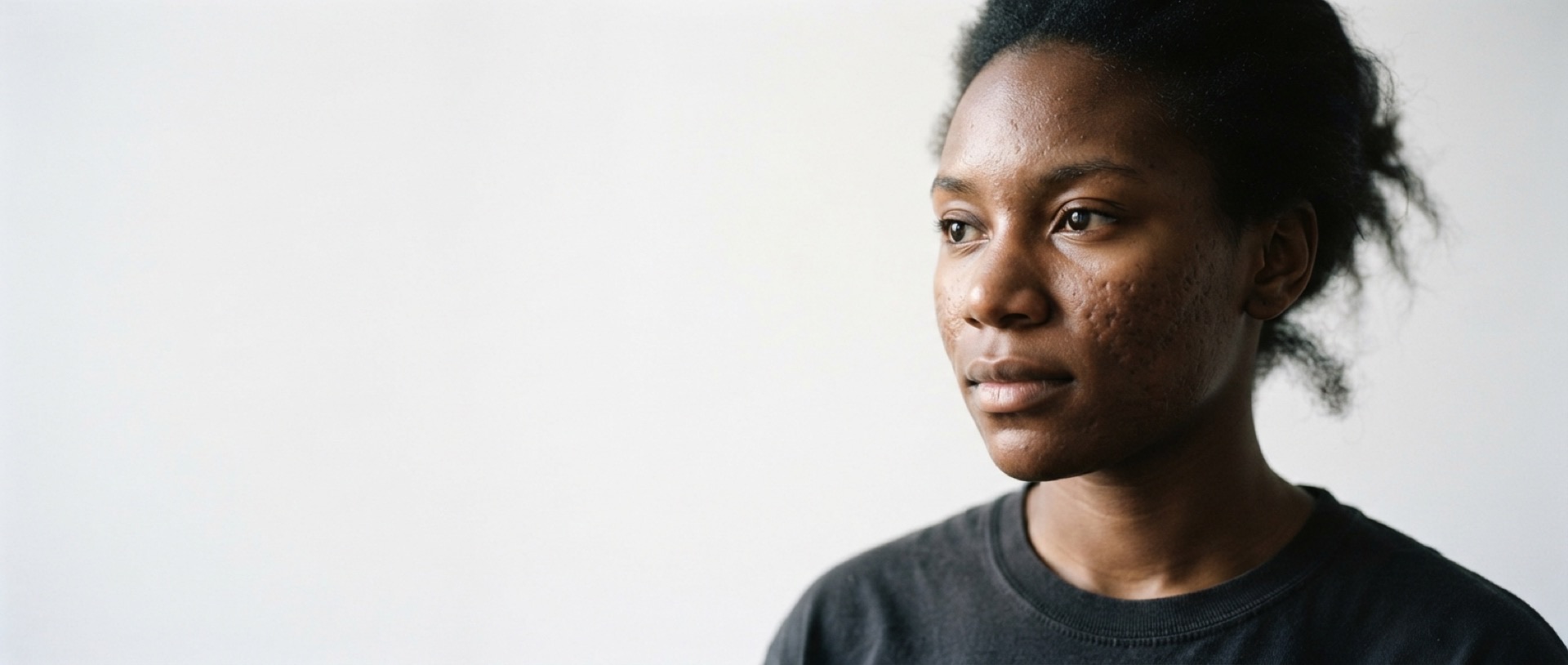
It happens when a blocked follicle ruptures deep in the dermis and spills sebum, keratin and bacteria into surrounding tissue, triggering a strong immune inflammatory response. Because the damage is deep, cystic acne is the type most likely to scar.
What causes cystic acne?
The same four factors behind all acne, amplified: excess sebum, abnormal shedding inside the follicle, overgrowth of Cutibacterium acnes, and inflammation. Androgens drive sebum production, which is why cystic acne often tracks with hormonal cycles, PCOS or puberty.
Genetics strongly influence severity, and stress, high-glycaemic diets, occlusive products and picking at lesions all make it worse. Squeezing a cyst pushes the contents deeper and reliably increases scarring.
What ingredients are best for cystic acne?
Cystic acne genuinely warrants a dermatologist – oral treatment is often needed. Alongside that, topical retinoids are the most useful over-the-counter active, because they work on the plug before it ruptures.
Benzoyl peroxide reduces bacterial load, azelaic acid calms inflammation and post-acne marks, and niacinamide helps redness without irritation. Keep the rest of the routine gentle and barrier-focused – harsh scrubs and drying alcohol make deep lesions angrier. Take our Skin Quiz.