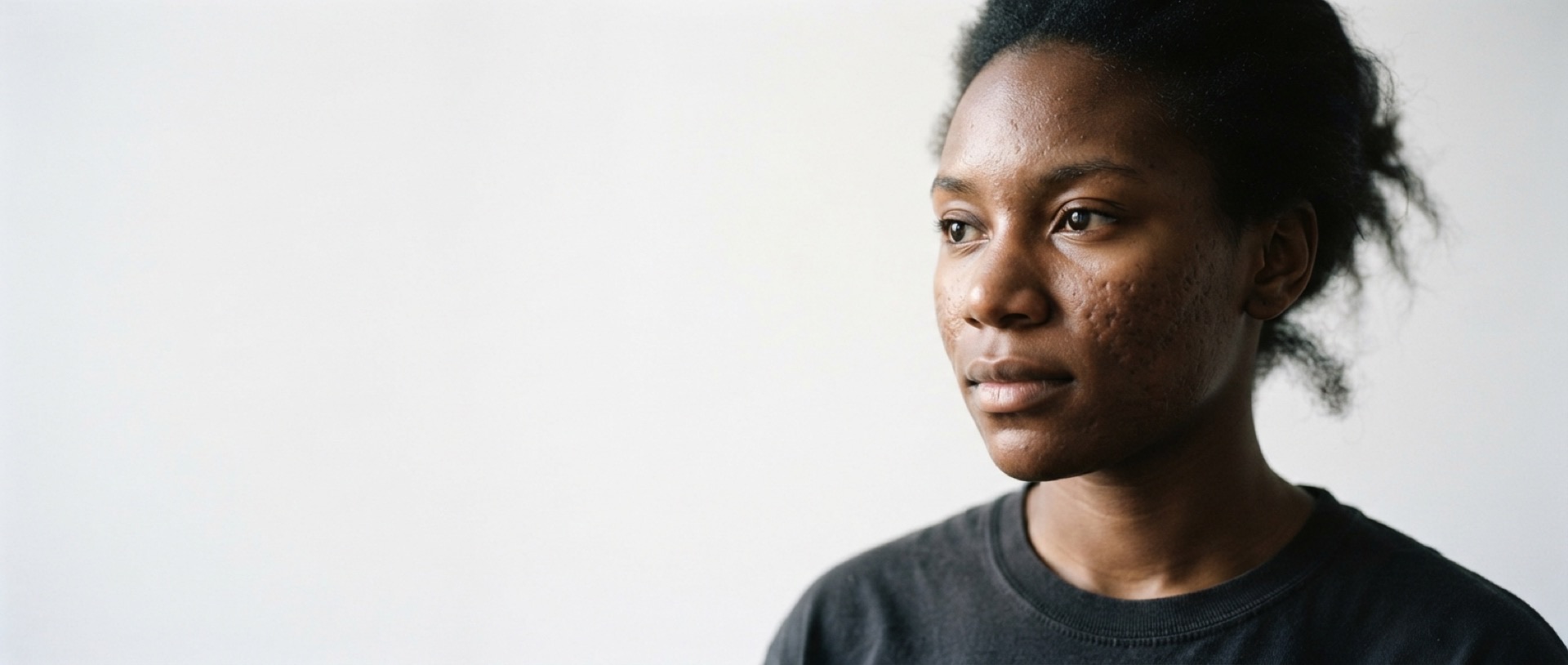
What is sodium hyaluronate in skincare?
Sodium hyaluronate is the sodium salt of hyaluronic acid – the form most commonly used in cosmetic formulation. It is more stable, less prone to oxidation and has a smaller molecular size than pure hyaluronic acid.
That smaller size is the practical difference: sodium hyaluronate penetrates the upper epidermis rather than sitting entirely on the surface, so it hydrates within the skin as well as on it.
What skin concerns does sodium hyaluronate treat?
It relieves dehydration, tightness and flakiness in any skin type, and because it is weightless and non-comedogenic it suits oily and acne-prone skin that heavy creams would congest.
Well-hydrated cells sit plumper, which immediately softens fine lines and improves how light reflects off the face. It also makes retinoids and acids more comfortable to use alongside, by keeping the barrier supple.
What ingredients are best paired with sodium hyaluronate?
It draws water in but cannot hold it, so seal it with ceramides, squalane, shea butter or any decent moisturiser applied immediately after, ideally onto slightly damp skin.
It layers with essentially everything – vitamin C, niacinamide, retinoids, peptides, acids. In very dry air, always cover it with an occlusive so it draws moisture from the air rather than from deeper skin. Take our Skin Quiz.
What are age spots?
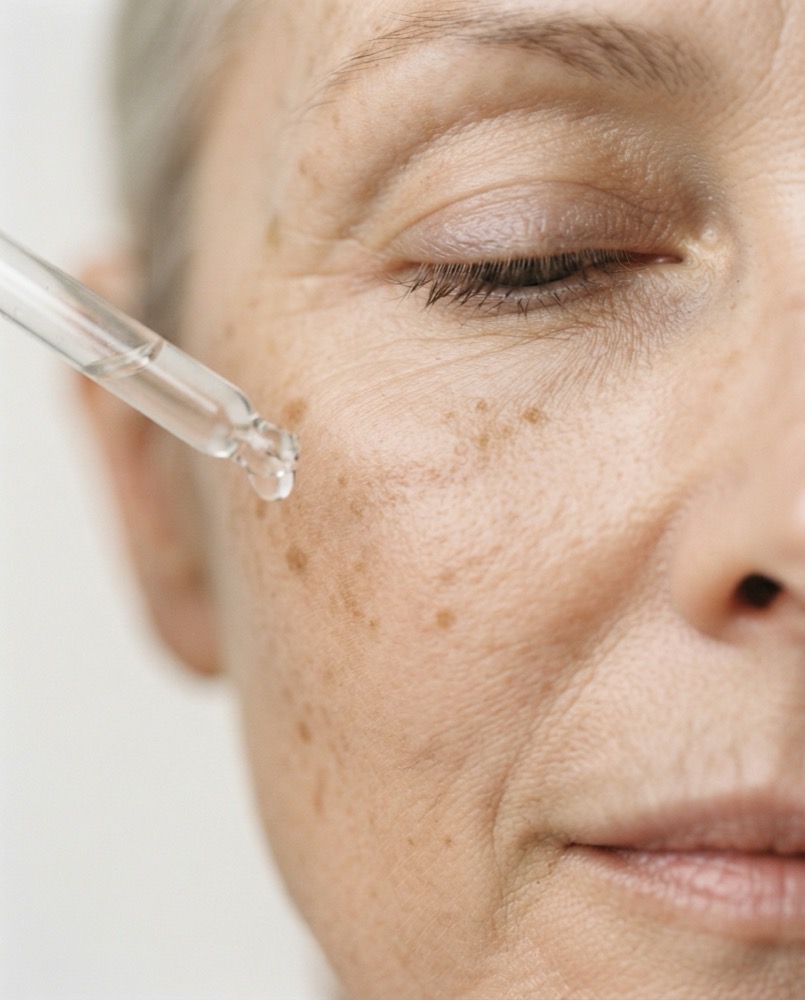
Age spots – known clinically as solar lentigines, and sometimes as liver spots – are flat, well-defined brown or tan patches that appear on skin with the most cumulative sun exposure: the face, backs of the hands, forearms, shoulders and upper chest.
Despite the name, they are not caused by age itself. They are a record of ultraviolet exposure, which is why they are common from the forties onward and why they cluster on areas that rarely get sunscreen.
What causes age spots?
Long-term UV exposure drives melanocytes to over-produce melanin in concentrated spots, and the surrounding keratinocytes stop clearing that pigment efficiently as skin ages.
Fair skin, a history of sunburns, tanning beds and outdoor work all raise the risk. Any new spot that changes shape, colour or size, bleeds or has an irregular border should be checked by a doctor rather than treated cosmetically.
What ingredients are best for age spots?
Topical treatment works but needs patience – expect three to six months. Retinoids speed turnover so pigmented cells shed faster, vitamin C and niacinamide brighten and protect, and alpha arbutin, kojic acid, azelaic acid and liquorice root inhibit new pigment.
Glycolic or lactic acid helps lift existing pigment from the surface. Daily broad-spectrum SPF, including on hands and chest, is what prevents new spots forming. Take our Skin Quiz.