

What is shea butter in skincare?
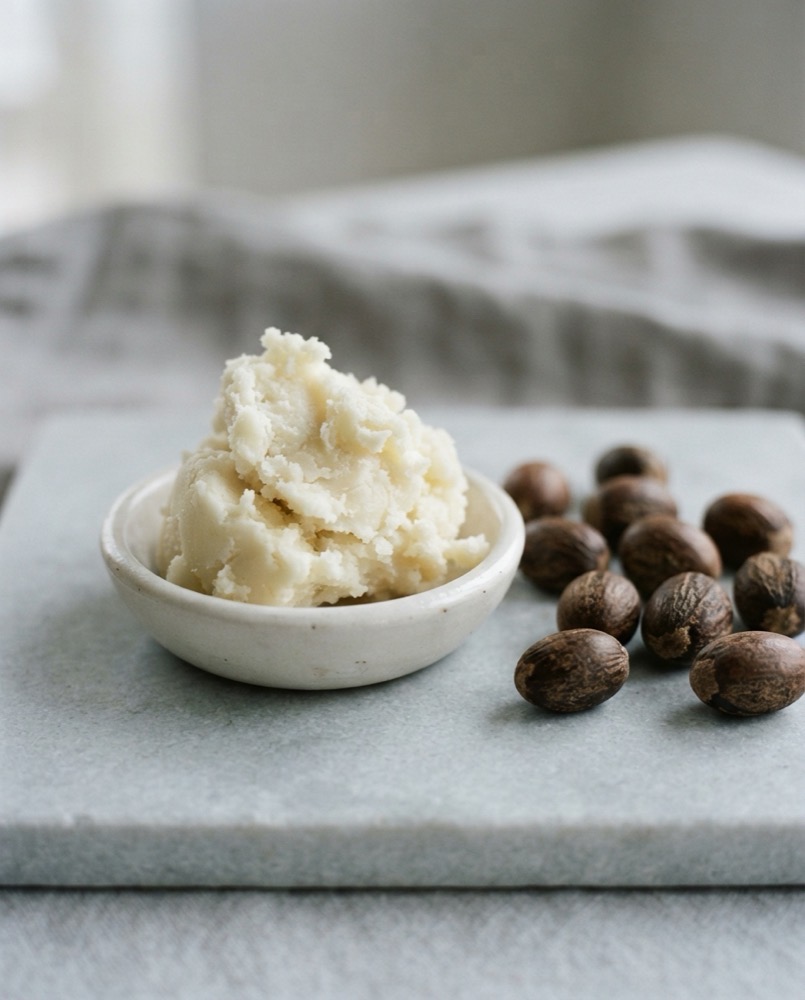
Shea butter is the fat extracted from the nuts of the African shea tree, Vitellaria paradoxa. It is solid at room temperature and melts at body heat, which is why it feels rich going on and sinks in once warmed.
Its value lies in the unsaponifiable fraction – an unusually high 5 to 10% of triterpenes, tocopherols and phytosterols, far more than most plant fats. Those compounds give it anti-inflammatory and barrier-repair activity beyond simple occlusion.
What skin concerns does shea butter treat?
It is a first-line choice for very dry, rough or cracked skin, and for eczema, psoriasis and winter-damaged hands and lips. It reduces water loss substantially while calming inflammation at the same time.
It also soothes after sun exposure, softens scars and stretch marks, and protects skin exposed to cold and wind. Unrefined shea retains more actives but has a nutty smell; refined shea is neutral but less potent.
What ingredients are best paired with shea butter?
Use it as the final occlusive layer over humectants such as glycerin and hyaluronic acid, and alongside ceramides for a complete barrier routine.
It is ideal for buffering the dryness of retinoids and acids on body skin. It sits mid-range on the comedogenic scale, so keep it to the body and dry patches if your face is oily or breakout-prone. Those with tree nut allergies should patch test. Take our Skin Quiz.
What are wrinkles?
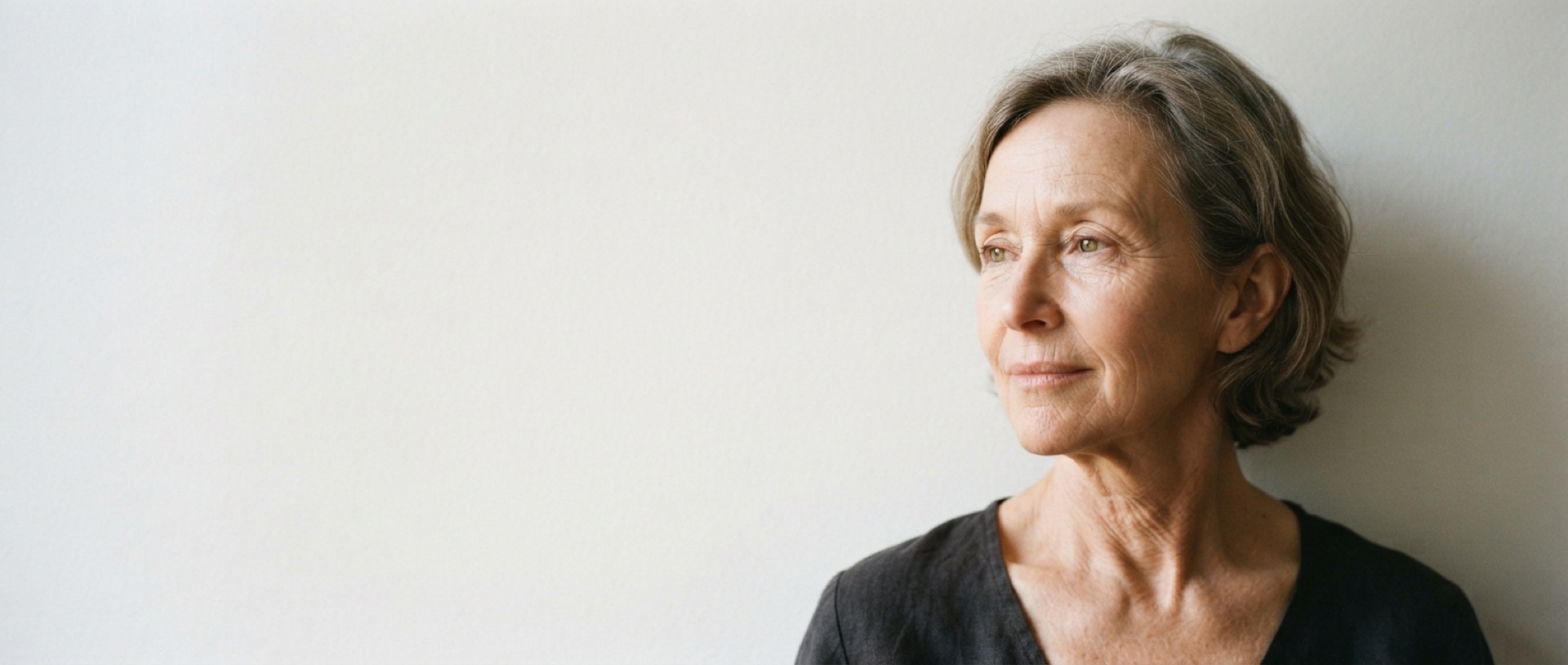
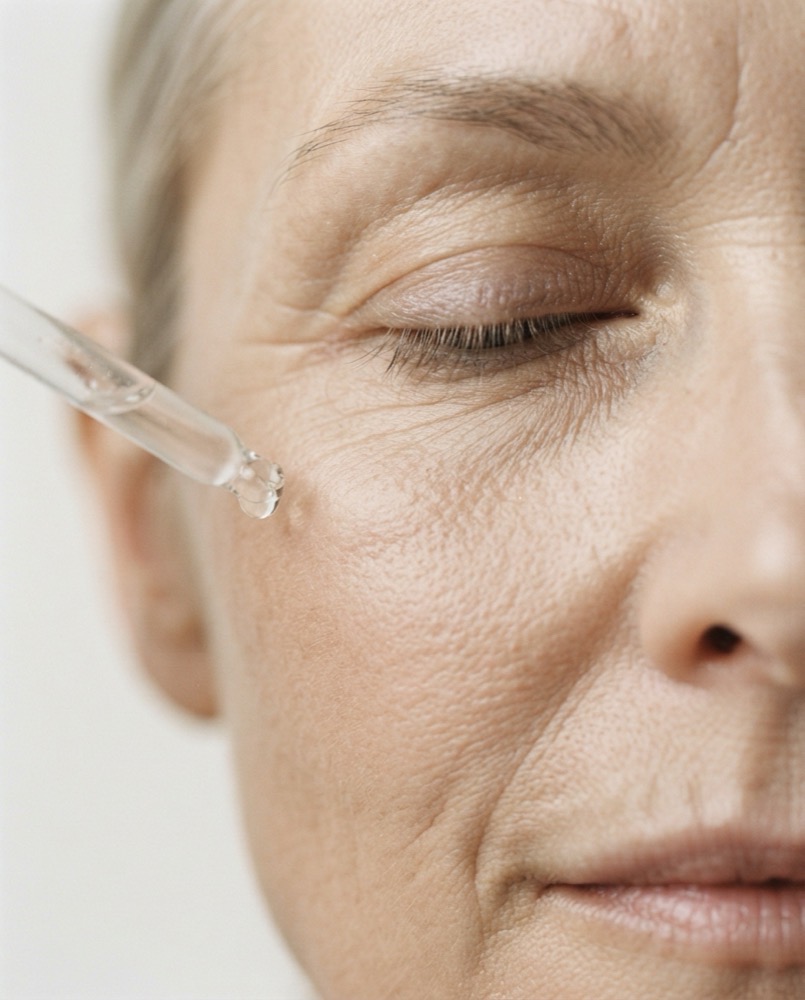
Wrinkles are permanent folds and creases in the skin. They begin as dynamic lines that appear only with expression, then set into static lines visible at rest once the underlying support structure can no longer push them back out.
They form first where skin is thin and movement is constant: crow’s feet, forehead lines, frown lines between the brows, and nasolabial folds. Deeper folds also reflect loss of fat and bone volume, not just skin change.
What causes wrinkles?
Internally, collagen and elastin production declines steadily from the mid-twenties and the dermal matrix thins, so skin loses the scaffolding that keeps it smooth.
Externally, ultraviolet radiation does most of the damage – it activates enzymes that break down collagen and degrades elastic fibres. Smoking, pollution, sugar-driven glycation, poor sleep, sleeping position and repeated facial movement all accelerate the process.
What ingredients are best for wrinkles?
Retinoids have the deepest evidence base for stimulating collagen and measurably reducing wrinkle depth over six to twelve months. Vitamin C supports synthesis while neutralising the free radicals that break it down, and peptides signal repair.
Round it out with hyaluronic acid and ceramides for hydration and barrier strength, niacinamide for elasticity and tone, and AHAs for surface renewal. Daily broad-spectrum SPF is the most effective anti-wrinkle product there is. Take our Skin Quiz.