What is sea salt in skincare?
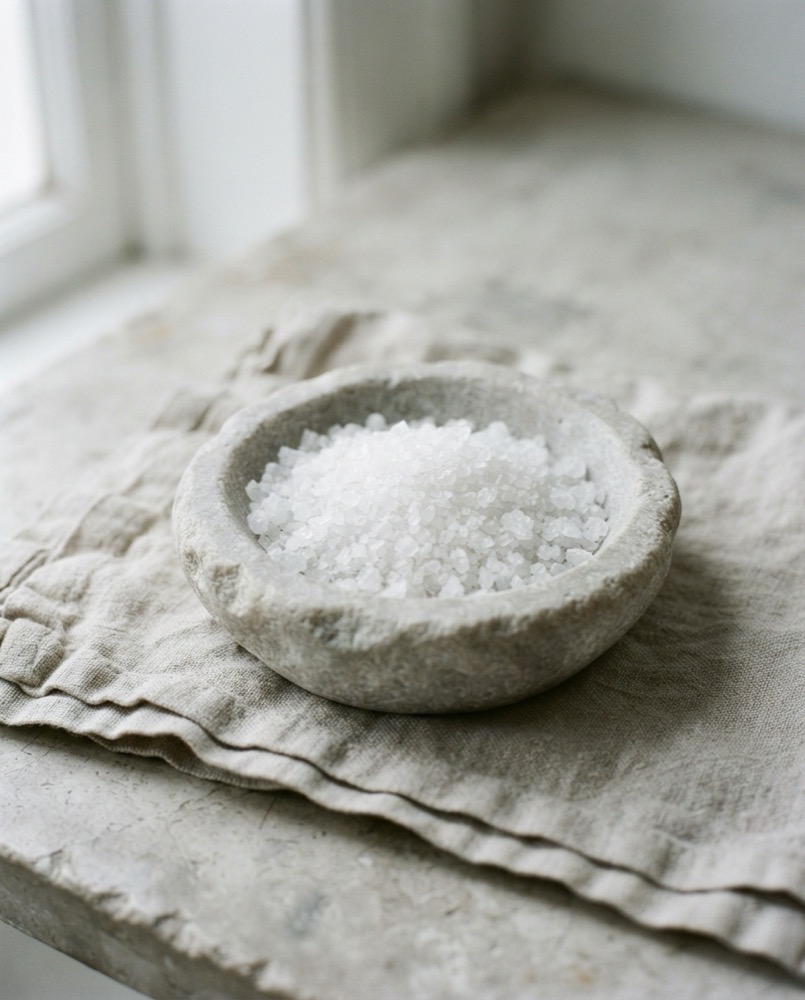
Sea salt is produced by evaporating seawater, which leaves sodium chloride along with trace minerals such as magnesium, potassium, calcium and zinc. It is coarser and less processed than table salt, and mineral content varies by source.
Dead Sea salt and Epsom salt are different products with different compositions – Epsom salt is magnesium sulphate, not a sodium salt at all – so claims made for one do not transfer to the others.
What skin concerns does sea salt treat?
Dissolved in a bath or used as a soak, salt water can ease itching and scaling in conditions such as psoriasis and eczema, and mineral-rich Dead Sea salt baths have been studied for barrier and inflammation benefits.
As a body scrub it removes dead cells effectively. On the face it is a poor choice: the crystals are sharp and irregular, they create micro-tears that let bacteria in, and salt draws water out of the skin, worsening dryness.
What ingredients are best paired with sea salt?
In body scrubs it is blended with oils – jojoba, almond, coconut – which cushion the abrasion and replace the moisture the salt pulls out. Always follow a salt scrub or soak with a moisturiser.
For facial exfoliation, lactic acid, glycolic acid or salicylic acid do the job without the mechanical damage. Never use a salt scrub on broken, sunburnt or freshly shaved skin. Take our Skin Quiz.
What are fine lines?
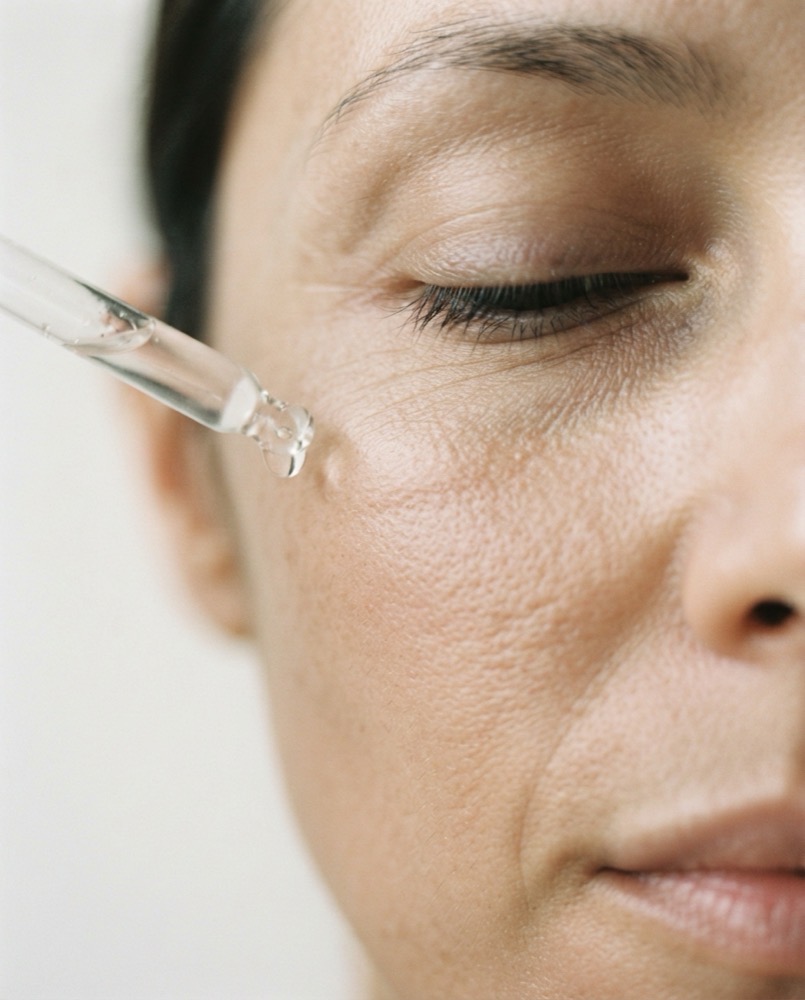
Fine lines are the earliest visible sign of skin ageing: shallow creases that appear where skin is thinnest and most expressive – around the eyes, across the forehead, and at the corners of the mouth.
They differ from established wrinkles in that they are often still dynamic, showing mainly when you smile or squint, and are frequently worsened by dehydration. That makes them the most responsive stage to treat.
What causes fine lines?
Intrinsic ageing does part of the work: collagen production falls by roughly one per cent a year from the mid-twenties, elastin degrades, and the dermal matrix thins so skin no longer springs back.
The larger share is external. Ultraviolet exposure accounts for the majority of visible facial ageing, and pollution, smoking, poor sleep, sugar-driven glycation and repeated facial movement all accelerate it. Dehydration makes existing lines look deeper than they are.
What ingredients are best for fine lines?
Retinol and prescription retinoids have the strongest evidence for stimulating collagen and smoothing texture. Vitamin C protects against free-radical damage while supporting collagen synthesis, and peptides signal the skin to rebuild.
Pair those with hyaluronic acid and ceramides for immediate plumping and barrier support, niacinamide for tone, gentle AHAs for surface renewal, and coenzyme Q10 as an antioxidant. Daily broad-spectrum SPF protects everything else you are doing. Take our Skin Quiz.