

What is sea salt in skincare?
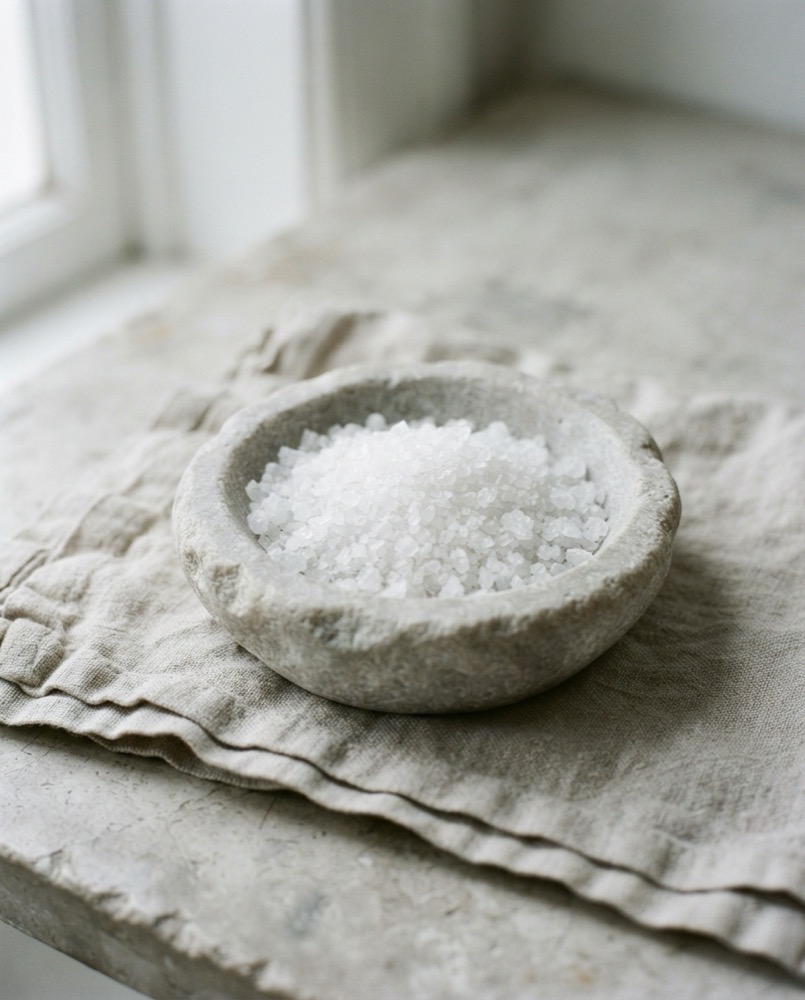
Sea salt is produced by evaporating seawater, which leaves sodium chloride along with trace minerals such as magnesium, potassium, calcium and zinc. It is coarser and less processed than table salt, and mineral content varies by source.
Dead Sea salt and Epsom salt are different products with different compositions – Epsom salt is magnesium sulphate, not a sodium salt at all – so claims made for one do not transfer to the others.
What skin concerns does sea salt treat?
Dissolved in a bath or used as a soak, salt water can ease itching and scaling in conditions such as psoriasis and eczema, and mineral-rich Dead Sea salt baths have been studied for barrier and inflammation benefits.
As a body scrub it removes dead cells effectively. On the face it is a poor choice: the crystals are sharp and irregular, they create micro-tears that let bacteria in, and salt draws water out of the skin, worsening dryness.
What ingredients are best paired with sea salt?
In body scrubs it is blended with oils – jojoba, almond, coconut – which cushion the abrasion and replace the moisture the salt pulls out. Always follow a salt scrub or soak with a moisturiser.
For facial exfoliation, lactic acid, glycolic acid or salicylic acid do the job without the mechanical damage. Never use a salt scrub on broken, sunburnt or freshly shaved skin. Take our Skin Quiz.
What is acne?
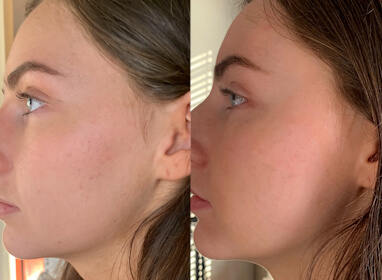
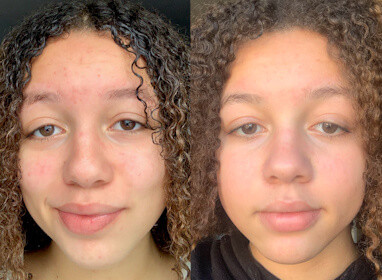
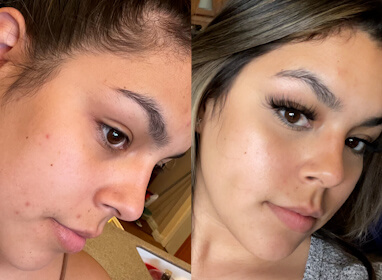
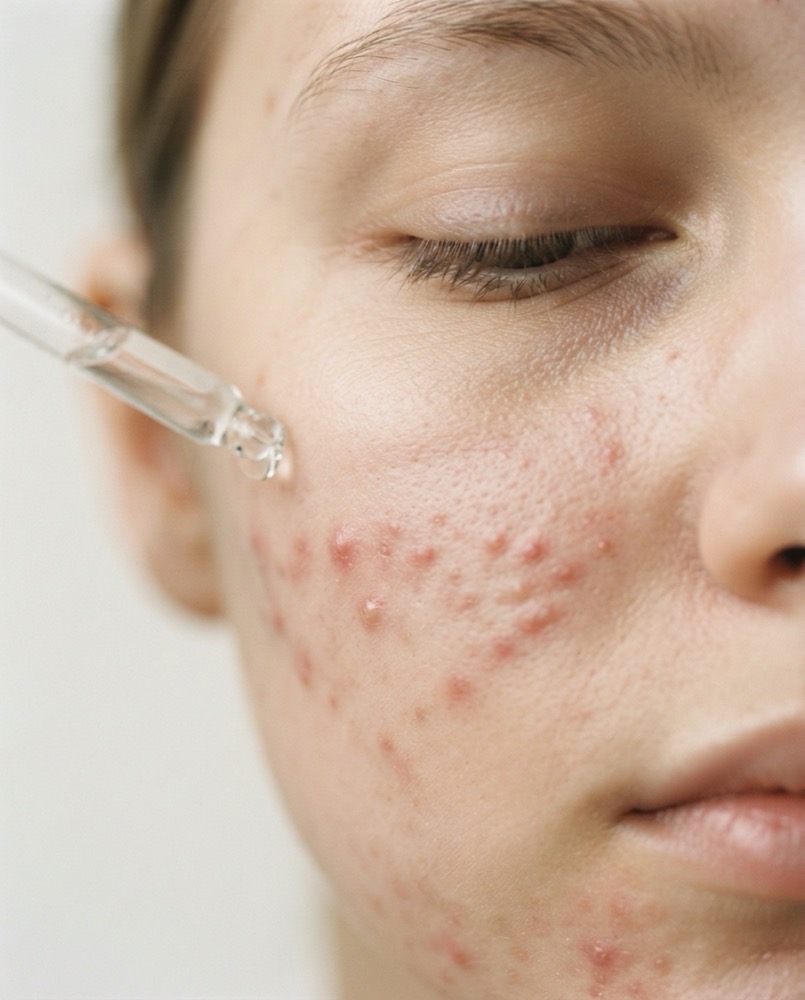
Acne vulgaris is a chronic inflammatory condition of the pilosebaceous unit – the hair follicle and its attached oil gland. It produces blackheads and whiteheads, inflamed papules and pustules, and in severe cases deep nodules and cysts.
It is the most common skin condition worldwide, and it is not a hygiene problem. Acne begins with a microcomedone forming invisibly inside the follicle, weeks before anything shows on the surface.
What causes acne?
Four mechanisms work together: excess sebum driven by androgens, abnormal shedding of cells inside the follicle, overgrowth of Cutibacterium acnes, and the inflammatory response that follows.
Genetics set the baseline. Hormonal fluctuation, stress, high-glycaemic diets, comedogenic products, friction from masks or helmets, and certain medications all push it further. Over-cleansing and picking make it visibly worse.
What ingredients are best for acne?
Salicylic acid clears inside the pore, benzoyl peroxide reduces bacterial load, and retinoids prevent the plug forming in the first place – that last one is the most valuable long-term.
Azelaic acid and niacinamide reduce inflammation and the marks left behind, and sulphur or clay help oily, congested skin. Keep the barrier intact with a gentle cleanser and a light non-comedogenic moisturiser; stripped skin produces more oil. Take our Skin Quiz.