

What is salicylic acid in skincare?
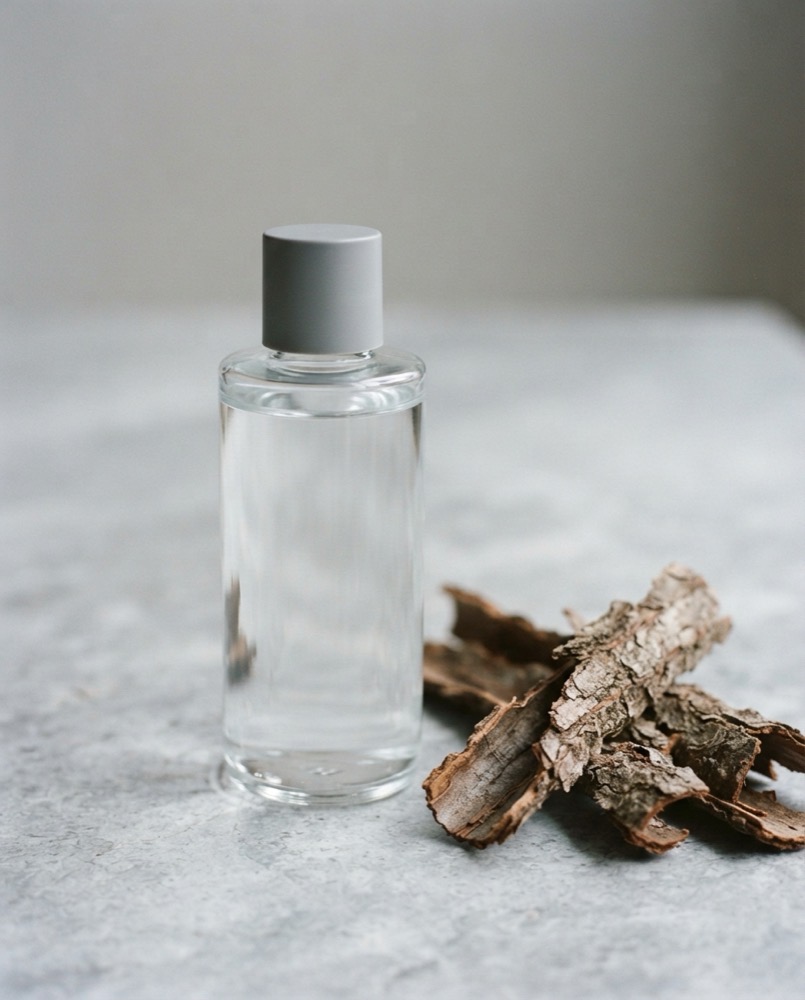
Salicylic acid is a beta-hydroxy acid derived from willow bark. Unlike alpha-hydroxy acids, it is oil-soluble, which means it can travel through sebum and work inside the pore rather than only on the skin’s surface.
It is also a keratolytic and mildly anti-inflammatory, so it loosens the bonds between dead cells while calming the redness around a blemish. Over-the-counter concentrations usually sit between 0.5% and 2%.
What skin concerns does salicylic acid treat?
It is the go-to for blackheads, whiteheads, congestion and mild to moderate acne, because it clears the plug at source. Its keratolytic and comedolytic action also makes it useful for rough texture, keratosis pilaris and body breakouts.
Oily and combination skin benefit most, since it reduces surface shine while exfoliating. It also helps calm the inflammation that turns a clogged pore into an angry one.
What ingredients are best paired with salicylic acid?
Niacinamide pairs well, adding sebum regulation and barrier support without irritation. Hyaluronic acid, ceramides and glycerin offset the dryness that comes with regular exfoliation.
Benzoyl peroxide and azelaic acid work alongside it for acne, though usually at different times of day. Be cautious layering it with retinoids or AHAs in the same step, use SPF daily, and avoid it entirely if you are pregnant or sensitive to aspirin without medical advice. Take our Skin Quiz.
What are sun spots?
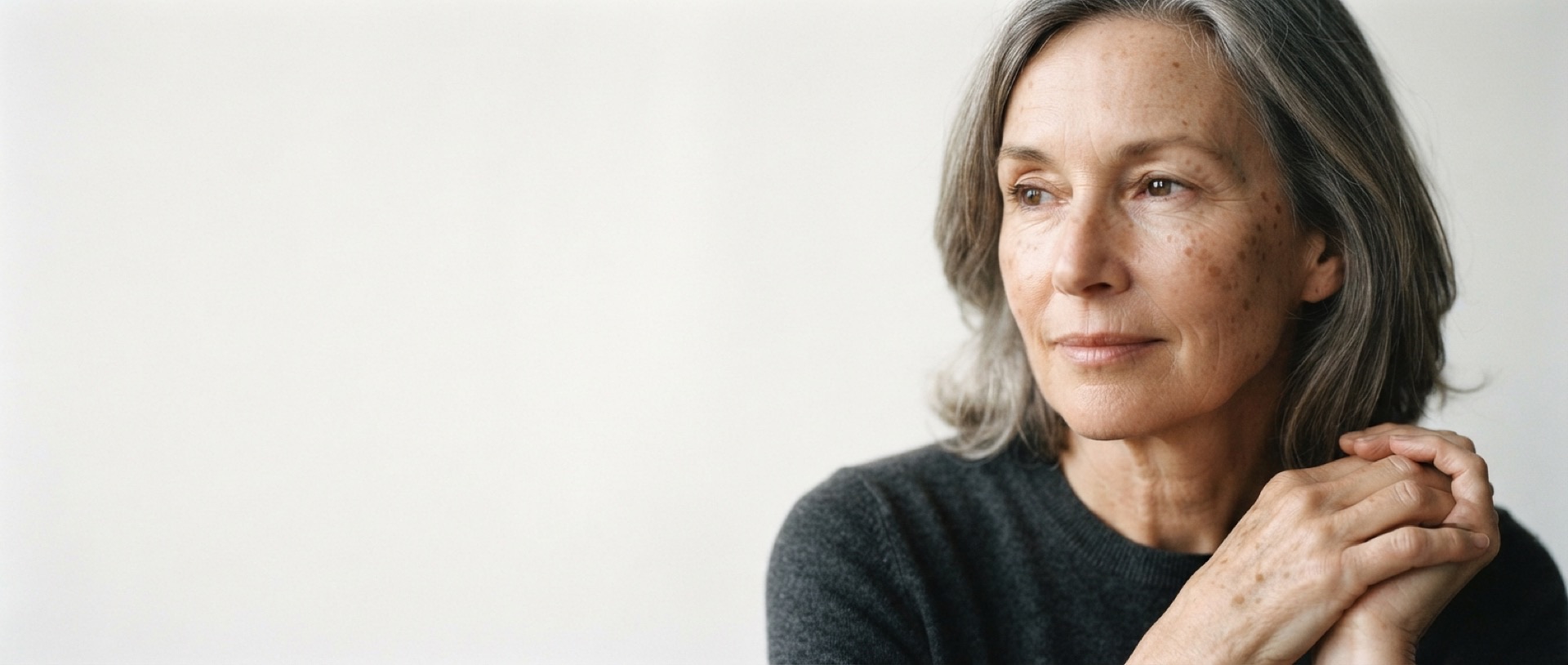
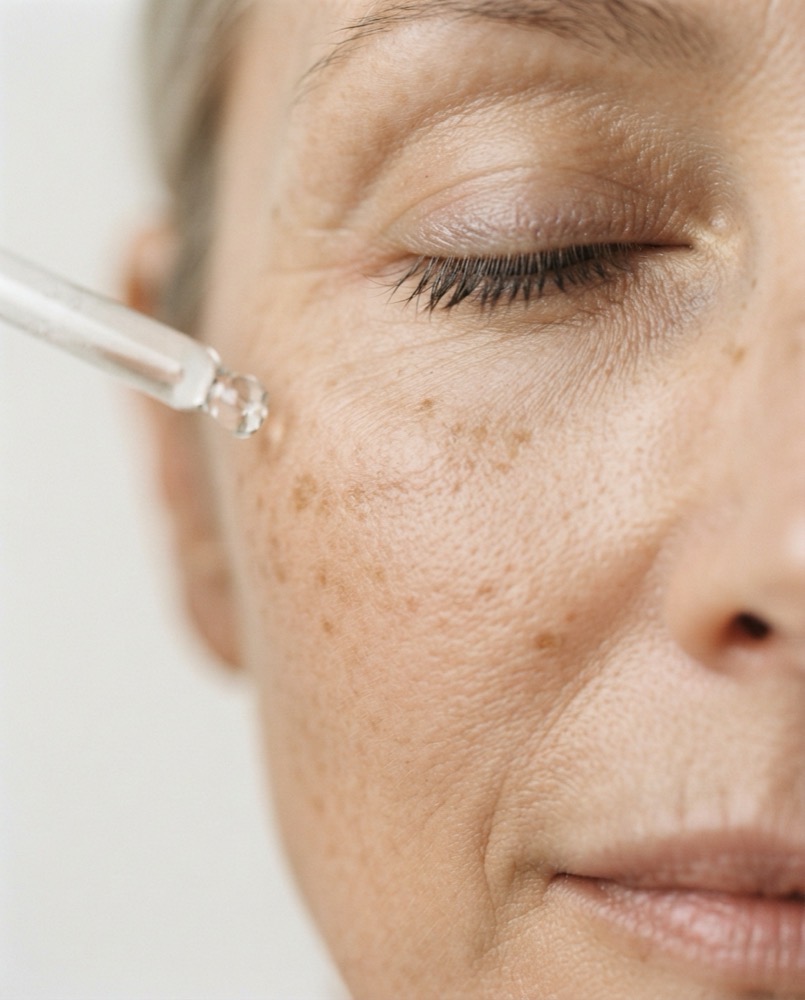
Sun spots are flat patches of concentrated pigment that form where skin has taken the most ultraviolet exposure – cheeks, nose, forehead, hands, shoulders and chest. Dermatologists call them solar lentigines; they are the same thing as age spots.
They are harmless, but they are a visible marker of accumulated photodamage, and they usually arrive alongside other signs of it: fine lines, loss of firmness and an uneven overall tone.
What causes sun spots?
UV radiation prompts melanocytes to produce extra melanin as a defence. With repeated exposure that response becomes localised and fixed, leaving discrete patches instead of an even tan that fades.
Tanning beds, sunburns in childhood, fair skin and outdoor time without protection all increase the count. Incidental exposure – driving, walking, sitting near a window – adds up more than most people expect.
What ingredients are best for sun spots?
Retinoids to accelerate turnover, vitamin C to protect and brighten, and pigment inhibitors such as alpha arbutin, kojic acid, azelaic acid, tranexamic acid and liquorice root are the core toolkit.
Gentle AHAs help shift surface pigment, and niacinamide slows the transfer of melanin into skin cells. None of it holds without daily broad-spectrum SPF and reapplication. Take our Skin Quiz.