What is salicylic acid in skincare?
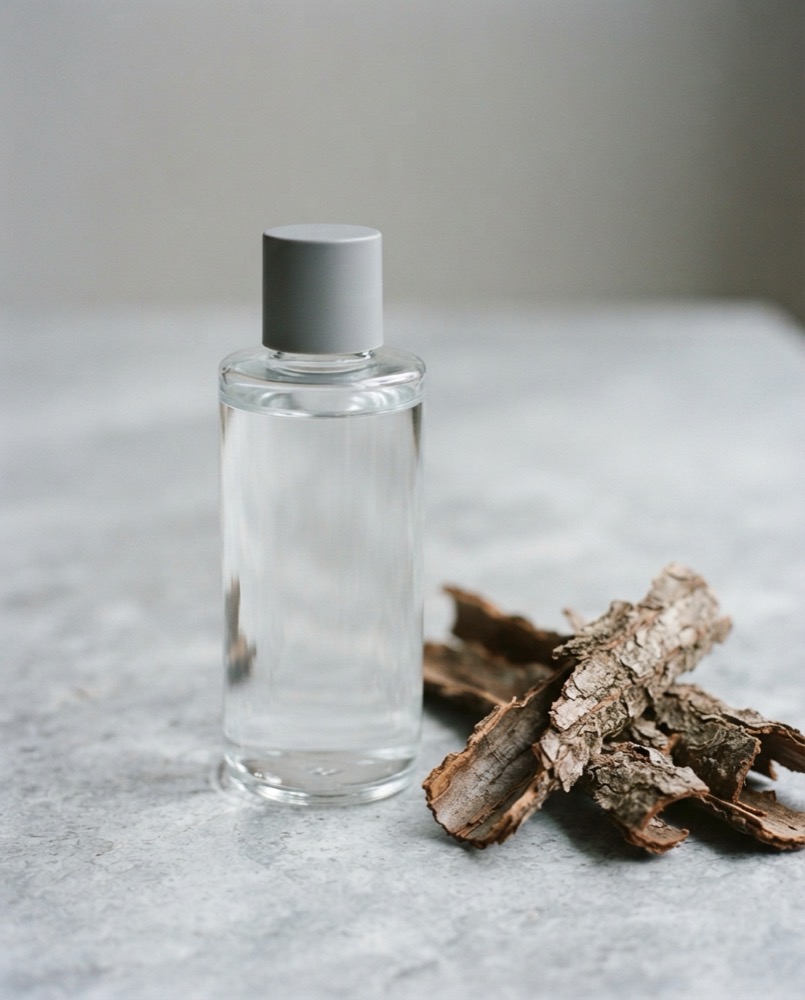
Salicylic acid is a beta-hydroxy acid derived from willow bark. Unlike alpha-hydroxy acids, it is oil-soluble, which means it can travel through sebum and work inside the pore rather than only on the skin’s surface.
It is also a keratolytic and mildly anti-inflammatory, so it loosens the bonds between dead cells while calming the redness around a blemish. Over-the-counter concentrations usually sit between 0.5% and 2%.
What skin concerns does salicylic acid treat?
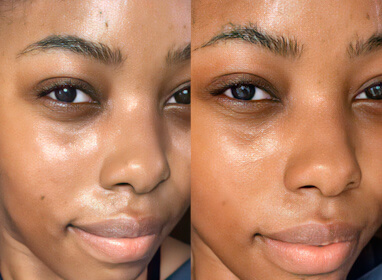
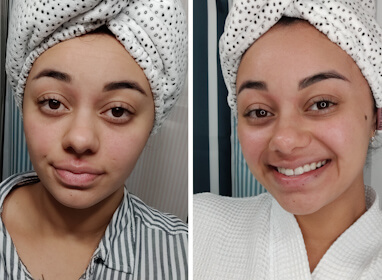
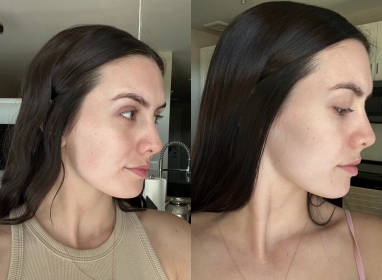
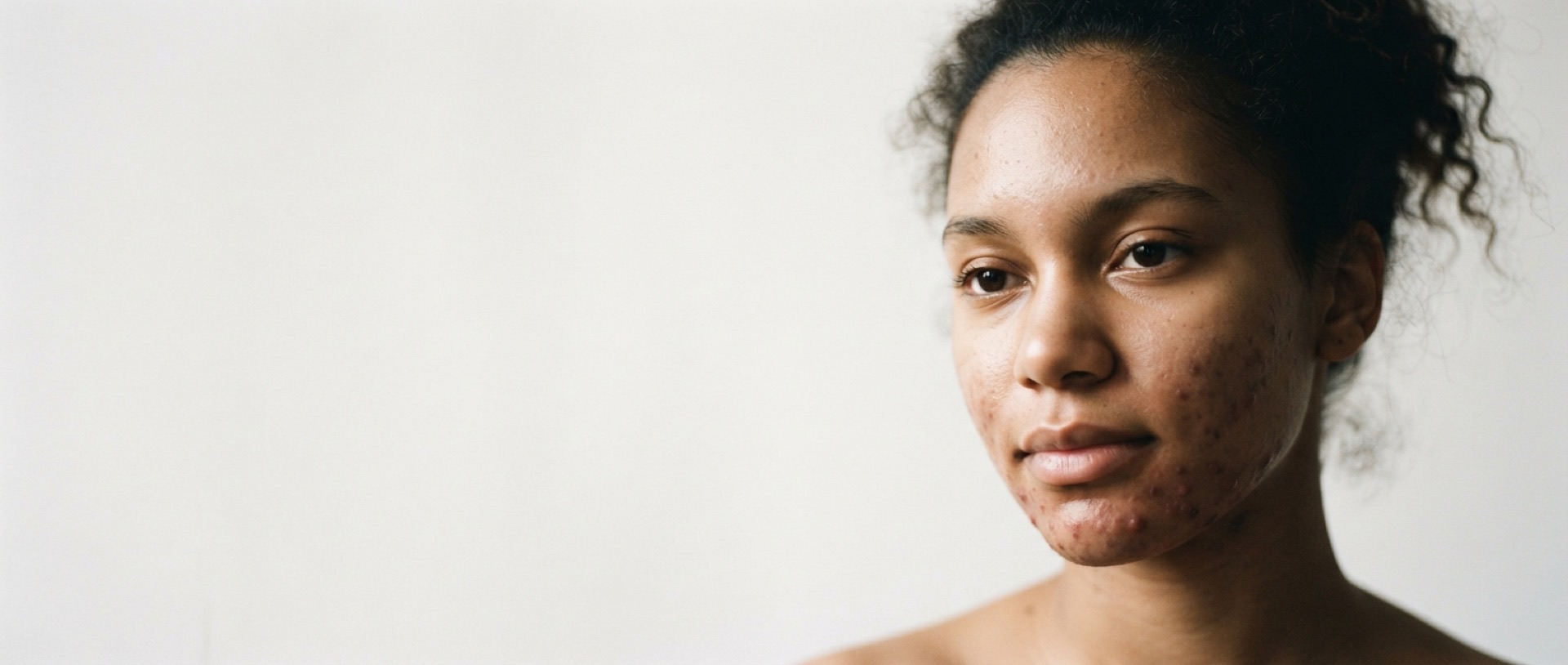
It is the go-to for blackheads, whiteheads, congestion and mild to moderate acne, because it clears the plug at source. Its keratolytic and comedolytic action also makes it useful for rough texture, keratosis pilaris and body breakouts.
Oily and combination skin benefit most, since it reduces surface shine while exfoliating. It also helps calm the inflammation that turns a clogged pore into an angry one.
What ingredients are best paired with salicylic acid?
Niacinamide pairs well, adding sebum regulation and barrier support without irritation. Hyaluronic acid, ceramides and glycerin offset the dryness that comes with regular exfoliation.
Benzoyl peroxide and azelaic acid work alongside it for acne, though usually at different times of day. Be cautious layering it with retinoids or AHAs in the same step, use SPF daily, and avoid it entirely if you are pregnant or sensitive to aspirin without medical advice. Take our Skin Quiz.
What are clogged pores?
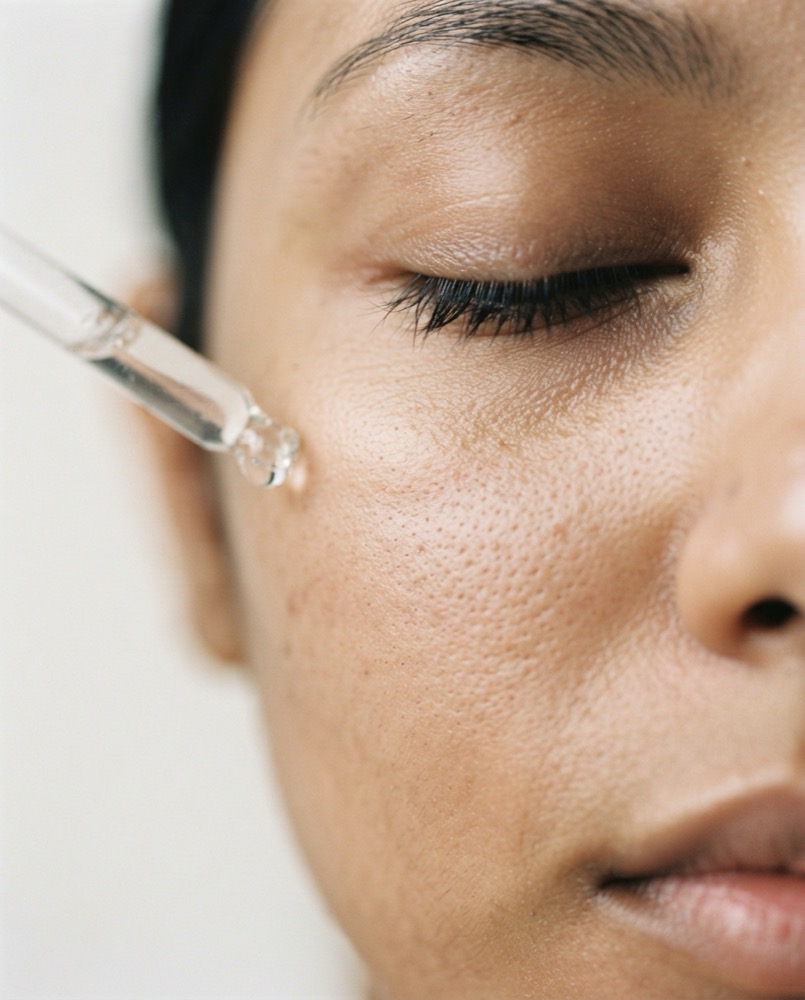
A clogged pore is a hair follicle blocked by a mix of sebum, dead skin cells and debris. Left open to the air the plug oxidises and darkens into a blackhead; sealed over by skin it becomes a whitehead or closed comedone.
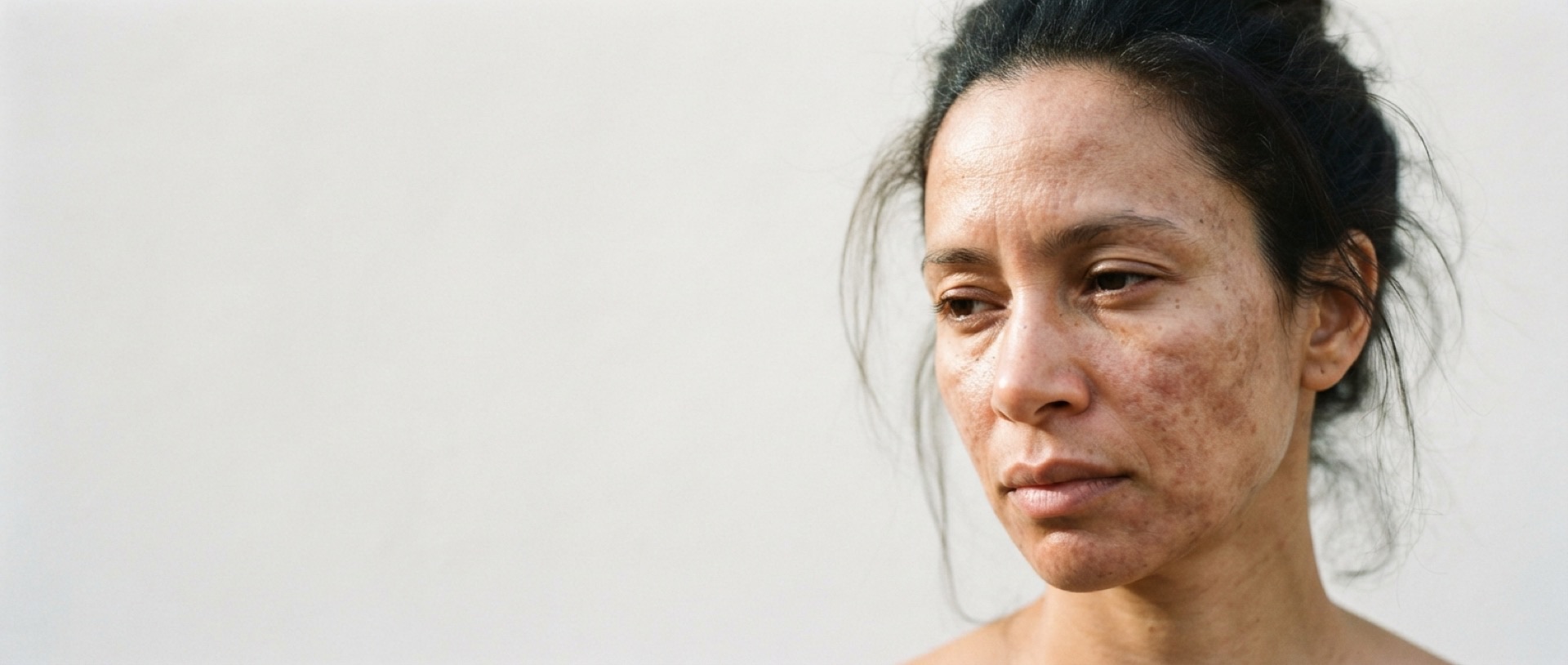
Clogged pores are the starting point of nearly all acne – the microcomedone forms first, and inflammation follows only if bacteria and immune response get involved.
What causes clogged pores?
Excess sebum and abnormal keratinisation are the two mechanics. When the follicle lining sheds cells faster than they can clear, they bind with oil and form a plug.
Comedogenic products (heavy oils, some silicones and waxes), thick makeup worn for long stretches, humidity, sweat left on the skin, hormonal shifts and insufficient cleansing all contribute. So does over-cleansing, which damages the barrier and drives oil production up.
What ingredients are best for clogged pores?
Salicylic acid is the first choice because it is oil-soluble and works inside the pore rather than just on the surface. Glycolic and lactic acid clear the surface layer, and clay masks absorb excess oil weekly.
Retinoids are the most effective long-term fix, because they change how the follicle sheds in the first place. Add niacinamide to regulate sebum and keep the barrier intact, and switch to non-comedogenic, lightweight hydrators. Take our Skin Quiz to find products that will not re-clog you.