

What is salicylic acid in skincare?
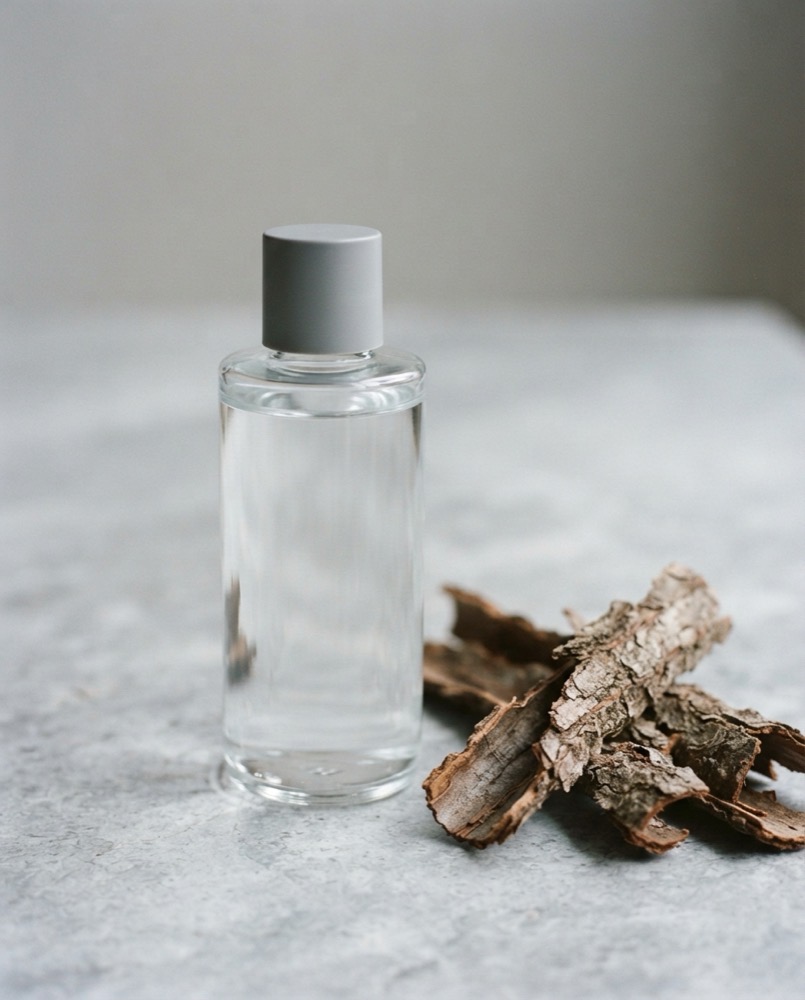
Salicylic acid is a beta-hydroxy acid derived from willow bark. Unlike alpha-hydroxy acids, it is oil-soluble, which means it can travel through sebum and work inside the pore rather than only on the skin’s surface.
It is also a keratolytic and mildly anti-inflammatory, so it loosens the bonds between dead cells while calming the redness around a blemish. Over-the-counter concentrations usually sit between 0.5% and 2%.
What skin concerns does salicylic acid treat?
It is the go-to for blackheads, whiteheads, congestion and mild to moderate acne, because it clears the plug at source. Its keratolytic and comedolytic action also makes it useful for rough texture, keratosis pilaris and body breakouts.
Oily and combination skin benefit most, since it reduces surface shine while exfoliating. It also helps calm the inflammation that turns a clogged pore into an angry one.
What ingredients are best paired with salicylic acid?
Niacinamide pairs well, adding sebum regulation and barrier support without irritation. Hyaluronic acid, ceramides and glycerin offset the dryness that comes with regular exfoliation.
Benzoyl peroxide and azelaic acid work alongside it for acne, though usually at different times of day. Be cautious layering it with retinoids or AHAs in the same step, use SPF daily, and avoid it entirely if you are pregnant or sensitive to aspirin without medical advice. Take our Skin Quiz.
What is bumpy skin?
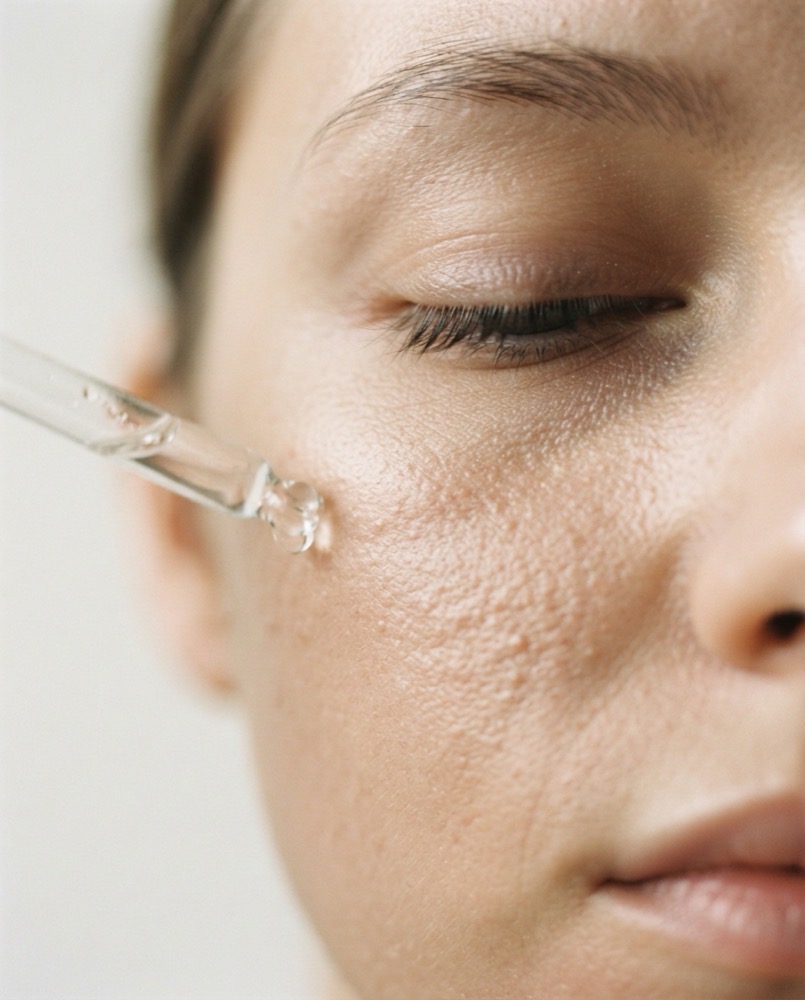
Bumpy skin is a texture problem rather than a single condition. It covers the rough, uneven surface you can feel more than see – most often keratosis pilaris (small hard bumps on the upper arms, thighs and cheeks), closed comedones, milia, or simple build-up of dead cells on the surface.
Keratosis pilaris in particular affects a large share of the population and is harmless, but it makes skin feel like sandpaper and can be stubborn to smooth out.
What causes bumpy skin?
Most bumpy texture comes from keratin plugging the follicle. When dead cells fail to shed cleanly, they collect at the pore opening and form a firm bump – a process closely linked to a weakened permeability barrier and low skin hydration.
Genetics, dry skin, cold weather, eczema and a history of over-scrubbing all make it worse. Aggressive physical exfoliation tends to backfire, inflaming the follicle and thickening the plug.
What ingredients are best for bumpy skin?
Chemical exfoliation works far better than scrubbing. Salicylic acid clears inside the follicle, lactic and glycolic acid loosen surface build-up, and urea both exfoliates and hydrates.
Retinoids normalise how skin sheds over time, while ceramides, niacinamide and hyaluronic acid keep the barrier strong so the plugs stop reforming. Consistency matters more than strength here. Take our Skin Quiz to work out which exfoliant your skin can tolerate.