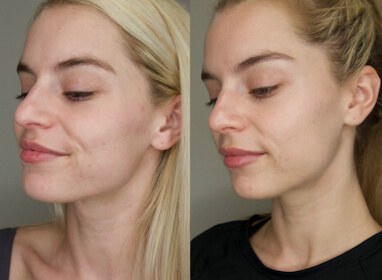
What is rosehip oil in skincare?
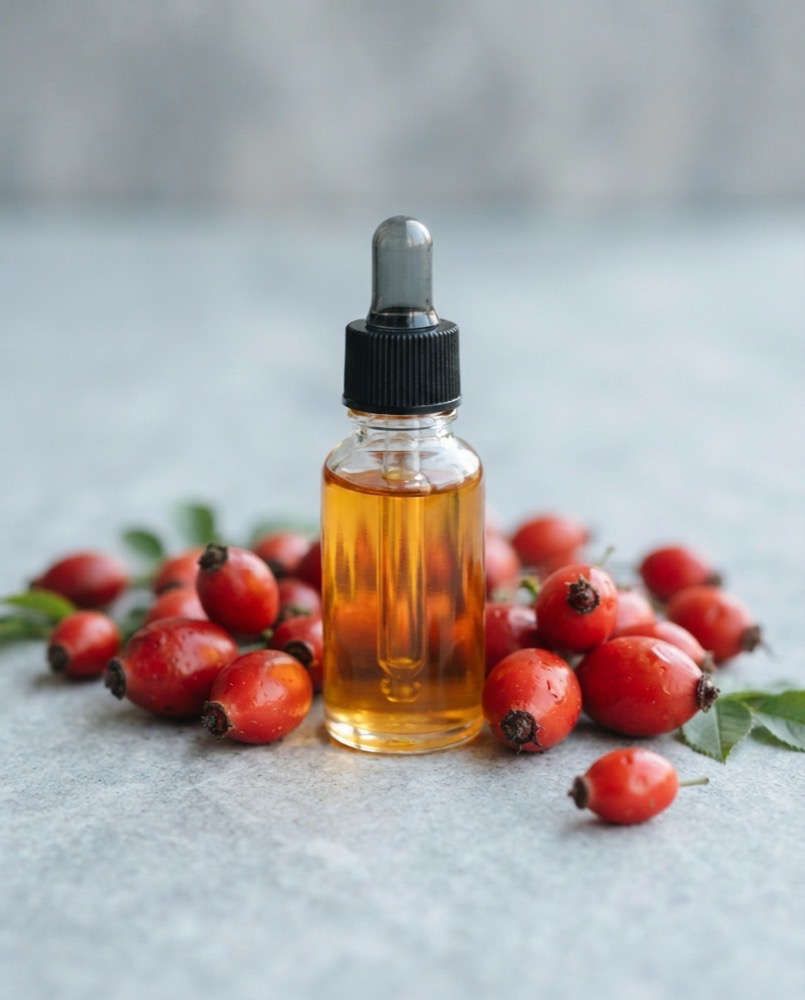
Rosehip oil is cold-pressed from the seeds and fruit of Rosa canina or Rosa rubiginosa – the hip left behind after a rose has flowered. It should not be confused with rose oil, which is distilled from petals and is a fragrance ingredient.
It is rich in linoleic and linolenic acid, vitamin E, and naturally occurring trans-retinoic acid in trace amounts. It has a light, dry feel and a faint earthy scent, and reviews of rosehip-based dermatological products document antioxidant, anti-inflammatory and regenerative activity.
What skin concerns does rosehip oil treat?
It suits dry, dehydrated and mature skin, and its essential fatty acids help calm eczema and general irritation. The vitamin A compounds give it a mild resurfacing effect on tone and texture without retinoid-level irritation.
Its best-documented use is repair: experimental work shows rosehip oil promotes excisional wound healing, which underpins its popularity for scars, stretch marks and post-acne marks.
What ingredients are best paired with rosehip oil?
Layer it over hyaluronic acid or a hydrating serum, and alongside ceramides and squalane for a complete barrier routine. It pairs well with vitamin C for brightening.
Because it already contains vitamin A compounds, introduce it slowly if you are also using a retinoid. Its high linoleic content makes it a better choice for oily skin than most oils, but it oxidises quickly – buy small, opaque bottles and refrigerate. Take our Skin Quiz.
What is redness?
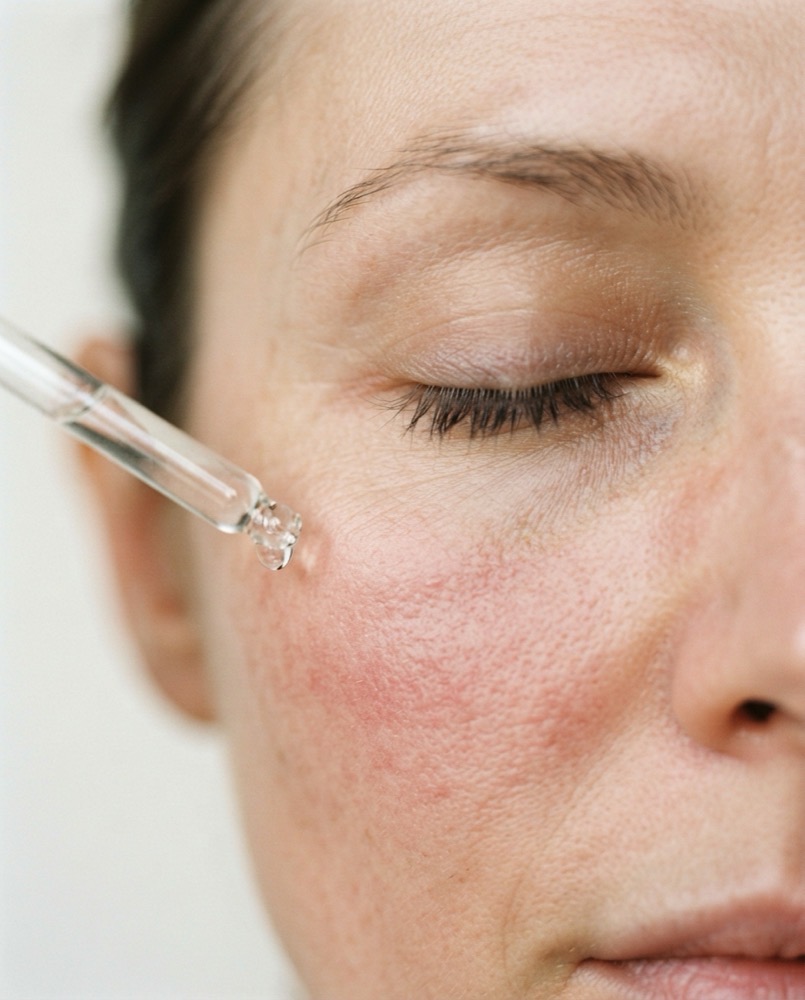
Facial redness is visible dilation of the small blood vessels near the skin’s surface. It ranges from transient flushing that comes and goes, to persistent erythema across the cheeks and nose, to fixed thread veins that stay visible all the time.
Redness is a symptom rather than a diagnosis. It can signal rosacea, irritation, an over-exfoliated barrier, eczema, an allergic reaction or simply reactive skin that responds strongly to heat and stress.
What causes redness?
Most persistent redness traces back to a compromised barrier and heightened nerve sensitivity. When the barrier thins, irritants penetrate more easily and the skin mounts an inflammatory response to things it would normally tolerate.
Common aggravators: over-exfoliation, high-strength actives used too often, fragrance and essential oils, hot water, alcohol, spicy food, sudden temperature change, sun exposure and stress. Trying to treat redness with more actives usually deepens it.
What ingredients are best for redness?
Prioritise calming and rebuilding over correcting. Niacinamide, azelaic acid, centella asiatica, green tea extract, liquorice root, allantoin, bisabolol and colloidal oatmeal all reduce visible inflammation.
Then repair the barrier with ceramides, cholesterol, fatty acids, glycerin, panthenol and squalane, and protect it with a gentle mineral SPF. Strip the routine back to cleanser, moisturiser and sunscreen for a few weeks before reintroducing anything active. Take our Skin Quiz.