

What is rosehip oil in skincare?
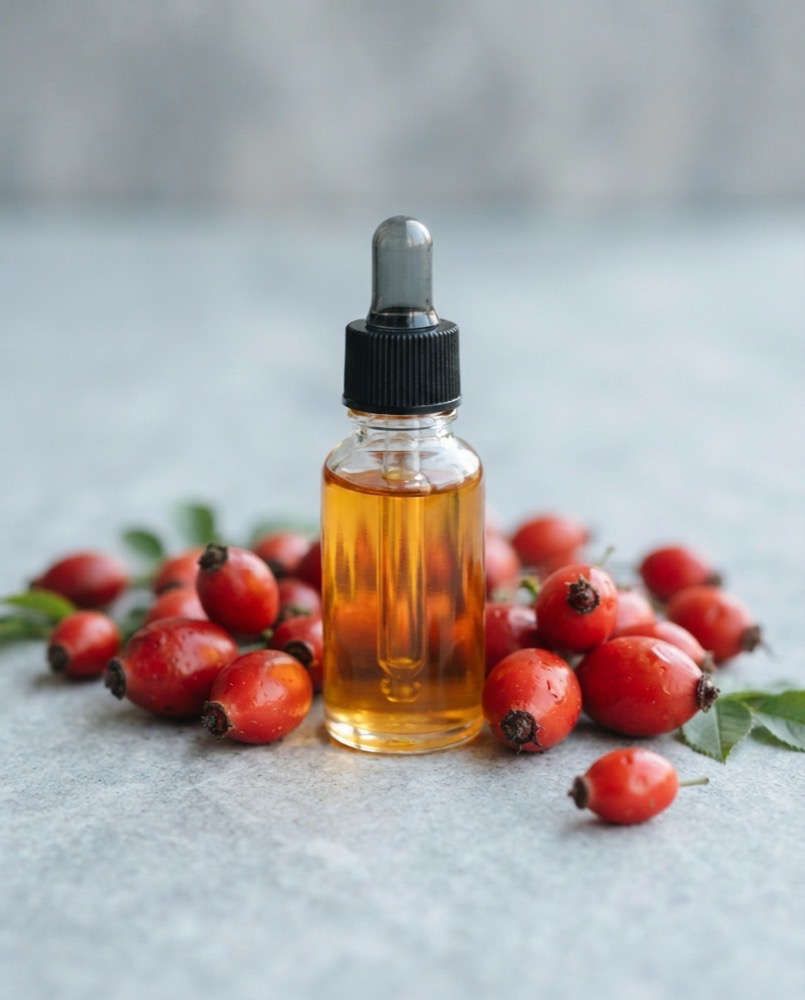
Rosehip oil is cold-pressed from the seeds and fruit of Rosa canina or Rosa rubiginosa – the hip left behind after a rose has flowered. It should not be confused with rose oil, which is distilled from petals and is a fragrance ingredient.
It is rich in linoleic and linolenic acid, vitamin E, and naturally occurring trans-retinoic acid in trace amounts. It has a light, dry feel and a faint earthy scent, and reviews of rosehip-based dermatological products document antioxidant, anti-inflammatory and regenerative activity.
What skin concerns does rosehip oil treat?
It suits dry, dehydrated and mature skin, and its essential fatty acids help calm eczema and general irritation. The vitamin A compounds give it a mild resurfacing effect on tone and texture without retinoid-level irritation.
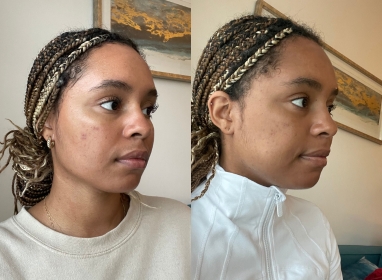
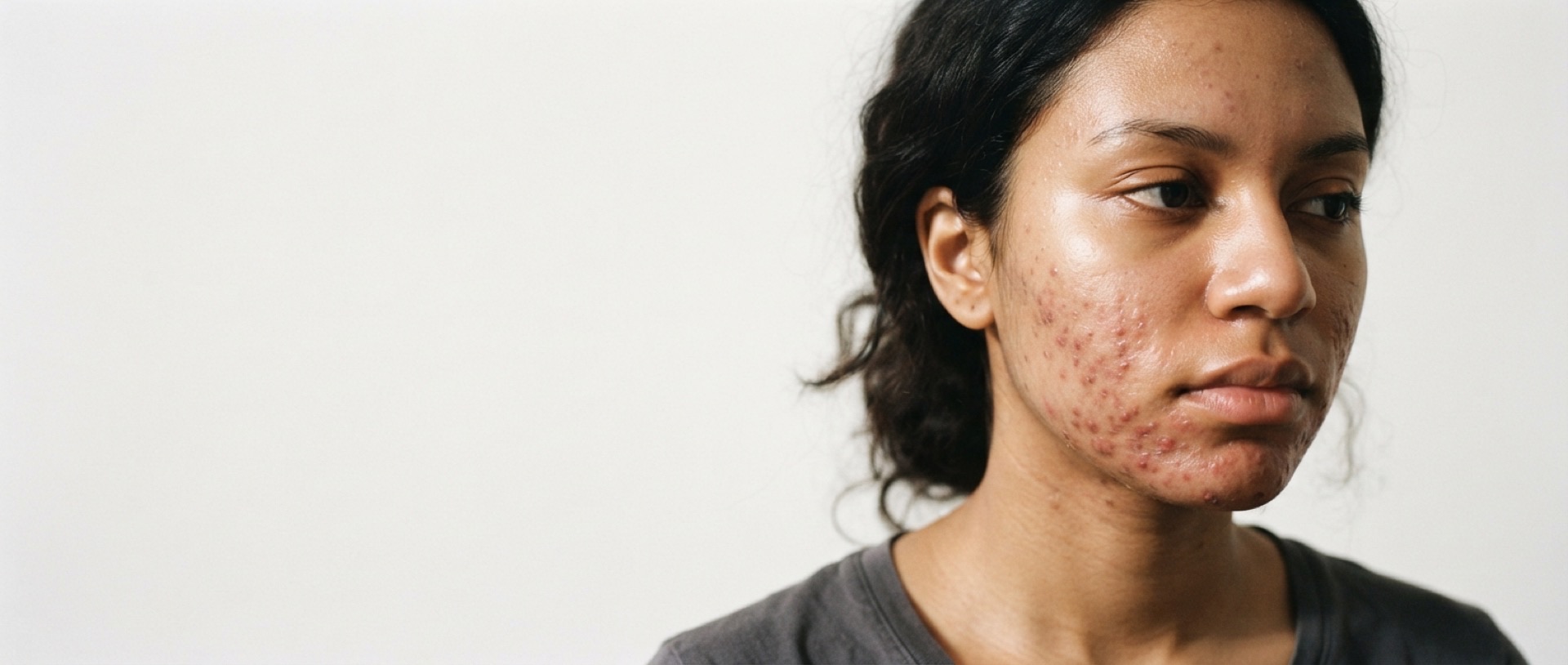
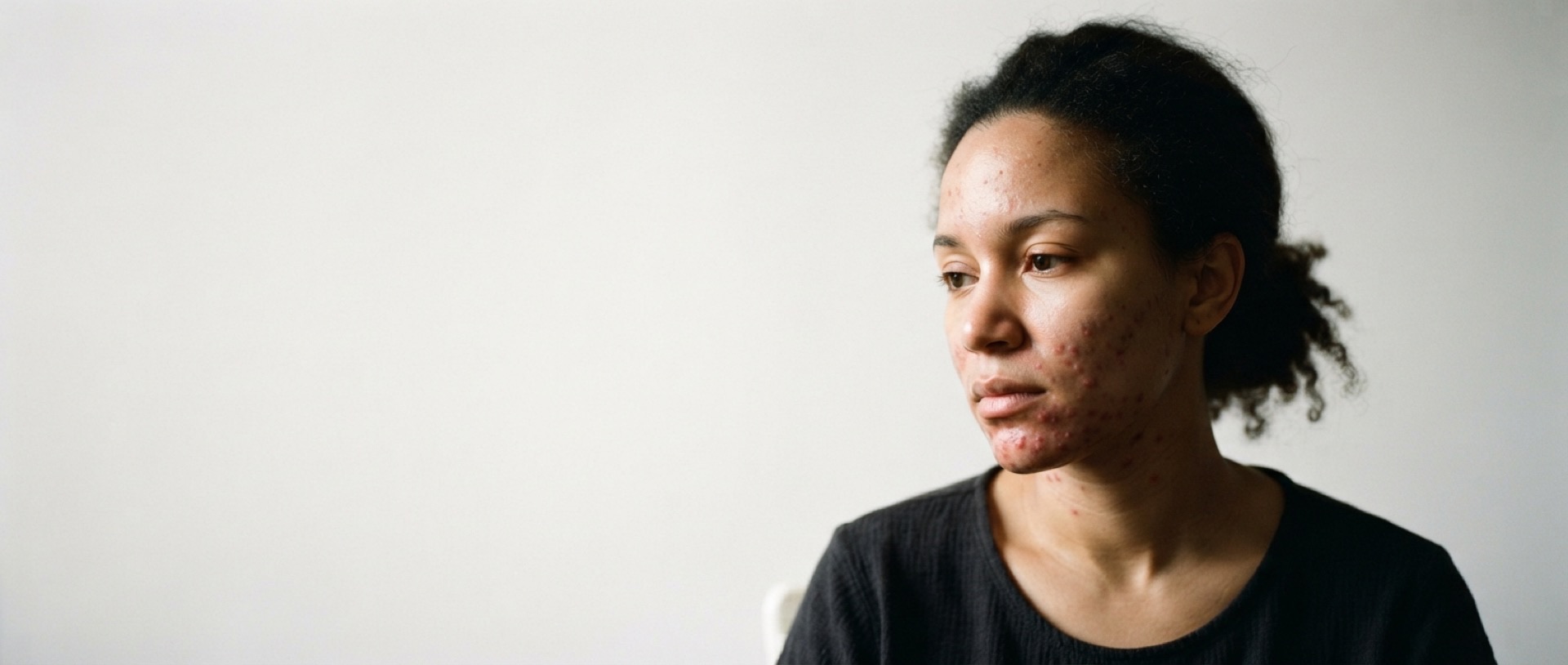
Its best-documented use is repair: experimental work shows rosehip oil promotes excisional wound healing, which underpins its popularity for scars, stretch marks and post-acne marks.
What ingredients are best paired with rosehip oil?
Layer it over hyaluronic acid or a hydrating serum, and alongside ceramides and squalane for a complete barrier routine. It pairs well with vitamin C for brightening.
Because it already contains vitamin A compounds, introduce it slowly if you are also using a retinoid. Its high linoleic content makes it a better choice for oily skin than most oils, but it oxidises quickly – buy small, opaque bottles and refrigerate. Take our Skin Quiz.
What is pigmentation?
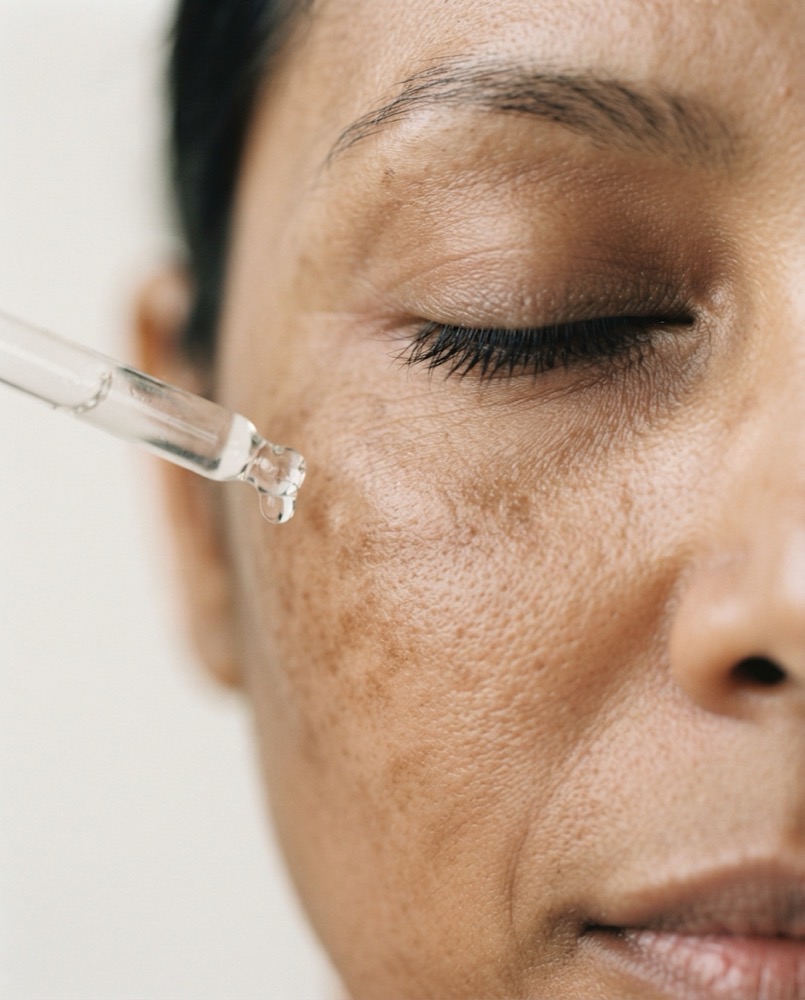
Pigmentation refers to any change in the colour of the skin caused by melanin. Hyperpigmentation – the common form – means patches darker than your natural tone, including sun spots, melasma, freckles and the marks left behind after acne or injury.
Melanin is produced by melanocytes in the lower epidermis and handed to surrounding skin cells. When that process is over-stimulated or unevenly distributed, the result is a visible patch rather than an even tone.
What causes pigmentation?
Ultraviolet exposure is the single largest trigger, because UV directly activates melanin production as a protective response. Inflammation is the second: acne, eczema, friction, waxing, burns or harsh procedures can all leave post-inflammatory hyperpigmentation, which is more common and longer-lasting in deeper skin tones.
Hormonal change, certain medications, heat and genetics complete the picture. Without daily sun protection, treated pigment reliably returns.
What ingredients are best for pigmentation?
The most effective topicals work at different points of melanin production: vitamin C and niacinamide, azelaic acid, tranexamic acid, alpha arbutin, kojic acid and liquorice root extract.
Retinoids and gentle AHAs speed up turnover so pigmented cells clear faster. But broad-spectrum SPF worn daily is the ingredient that decides whether any of it holds – without it, results reverse within weeks. Take our Skin Quiz.