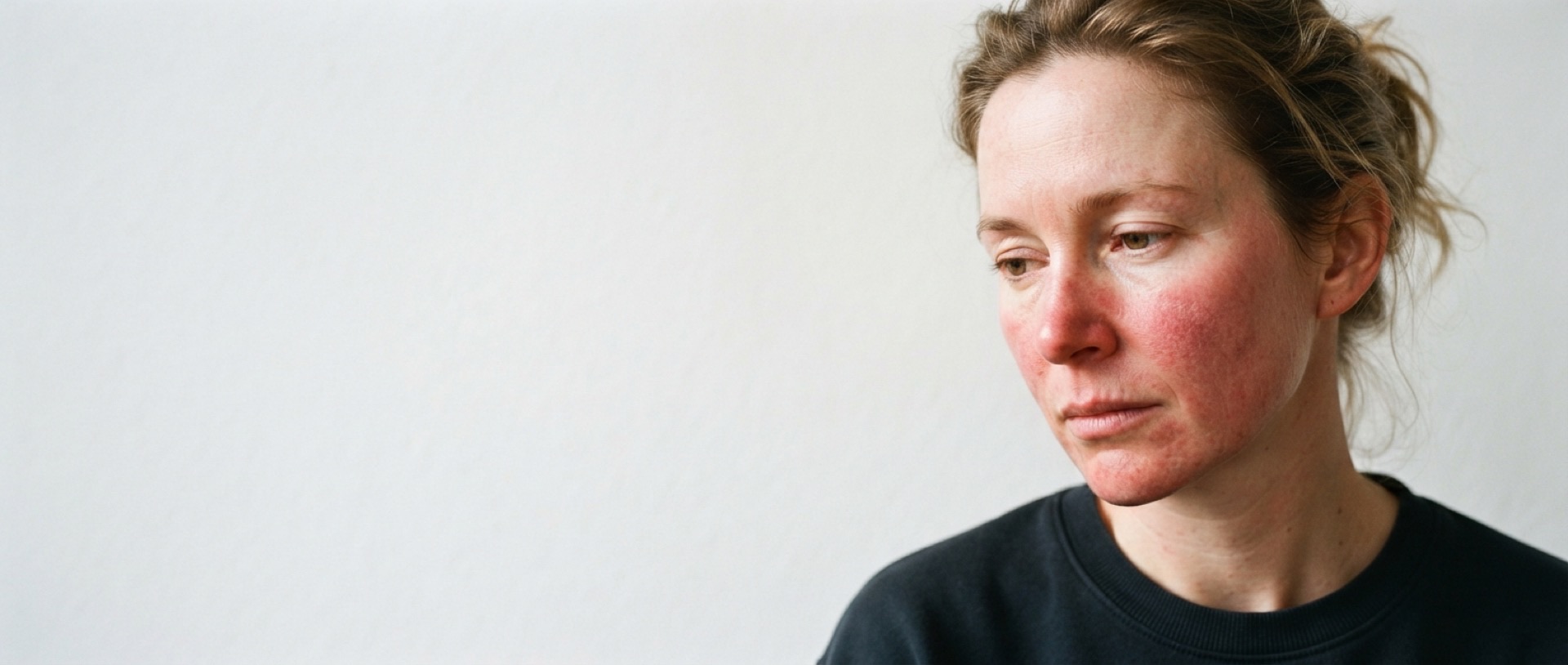
What is oatmeal in skincare?
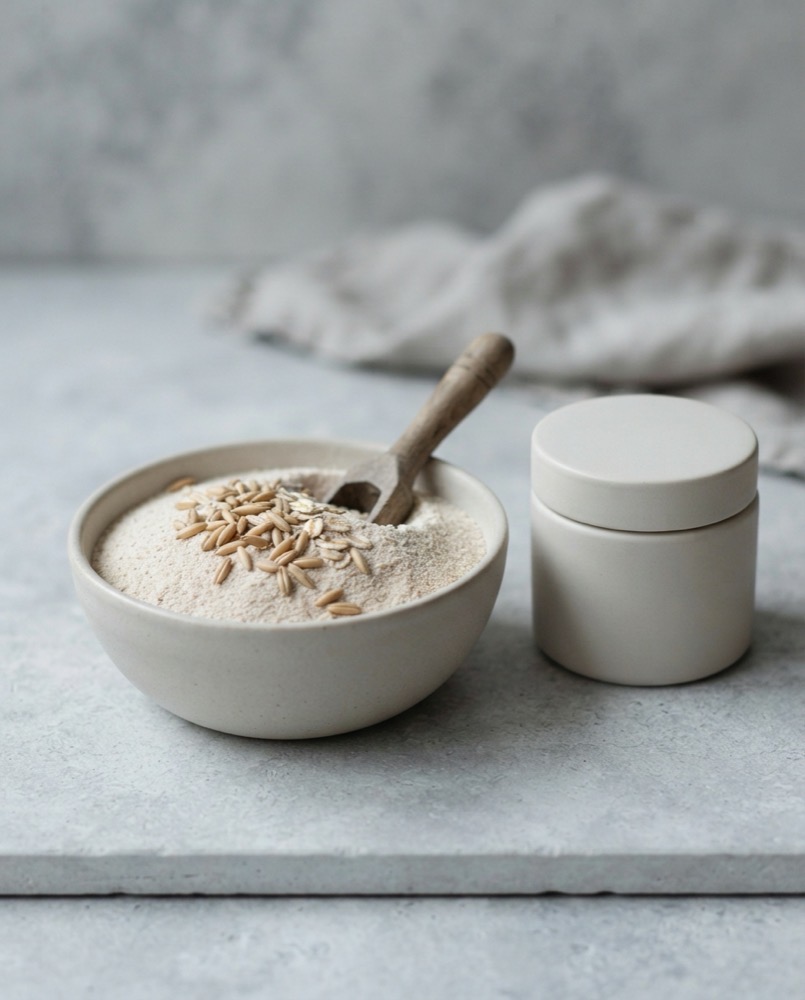
Oatmeal – most often used in skincare as finely milled colloidal oatmeal – is ground oat grain that disperses in water and forms a soft, protective film on the skin. It is rich in beta-glucans, lipids, saponins and avenanthramides, a group of polyphenols with well-documented anti-inflammatory and antioxidant activity. That mix lets oatmeal act as a gentle cleanser, an emollient and a barrier-repair agent all at once, which is why it turns up in everything from homemade face masks to prescription-strength eczema creams.
What skin concerns does oatmeal treat?
Oatmeal is best known for calming dry, itchy and reactive skin. Colloidal oatmeal measurably reduces redness and inflammation, and it is one of very few ingredients recognised for relieving eczema flare-ups, contact dermatitis, hives, bug bites and sunburn.
Ground oatmeal also works as a mild physical exfoliant, lifting dead cells, dirt and excess oil without the micro-tears that harsher scrubs can cause – useful for acne-prone and combination skin that cannot tolerate strong actives. Its antioxidant content adds a preventative benefit, protecting the skin from the free-radical damage that drives premature ageing.
What ingredients are best paired with oatmeal?
Oatmeal performs best alongside hydrating and barrier-repairing ingredients. Pair it with ceramides, hyaluronic acid, glycerin, squalane, shea butter, niacinamide and panthenol (vitamin B5) to maximise moisture retention, reduce redness and strengthen the skin’s protective lipid barrier.
Keep it out of the same routine step as strong acids or high-strength retinoids – oatmeal’s value is in soothing rather than resurfacing. Not sure how much oatmeal your skin actually needs? Take our Skin Quiz and get a formula built around your skin.
What is hormonal acne?
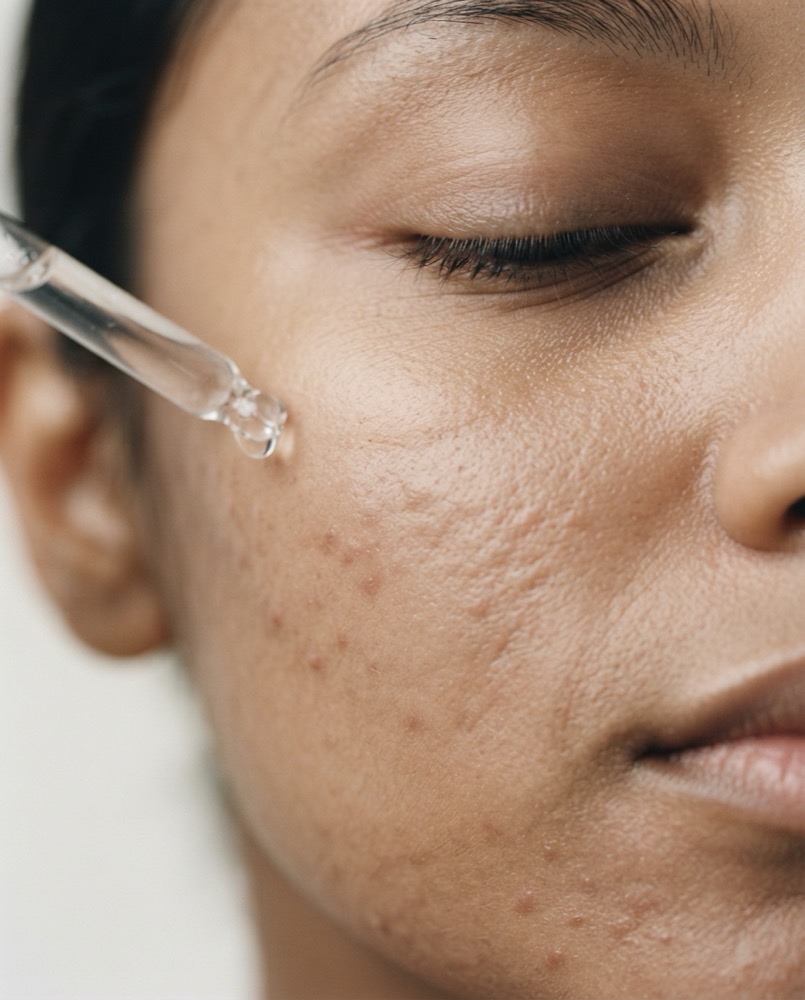
Hormonal acne is acne whose timing and pattern track with hormonal activity rather than with cleansing habits or diet alone. It typically appears along the lower face – jawline, chin and upper neck – as deep, tender papules and cysts that flare on a predictable cycle.
It is most recognisable in adult women, where breakouts often arrive in the week before menstruation and settle again afterwards.
What causes hormonal acne?
Androgens – testosterone and DHT in particular – bind to receptors on the sebaceous gland and increase sebum production. When androgen activity rises or oestrogen falls, oil output climbs and follicles clog more readily.
Menstrual cycles, starting or stopping contraception, pregnancy, perimenopause and PCOS are the usual contexts. Stress raises cortisol, which amplifies the same pathway. Persistent hormonal acne with irregular cycles or excess hair growth is worth investigating medically.
What ingredients are best for hormonal acne?
Retinoids are the most effective topical, because they stop the plug forming regardless of how much oil is being produced. Azelaic acid reduces inflammation and the marks that follow, and niacinamide helps regulate sebum.
Salicylic acid keeps pores clear between flares, and benzoyl peroxide targets bacteria in inflamed lesions. Because hormonal acne is driven from the inside, topicals manage rather than cure it – consistency across the whole cycle beats spot-treating during a flare. Take our Skin Quiz.