

What is rosehip oil in skincare?
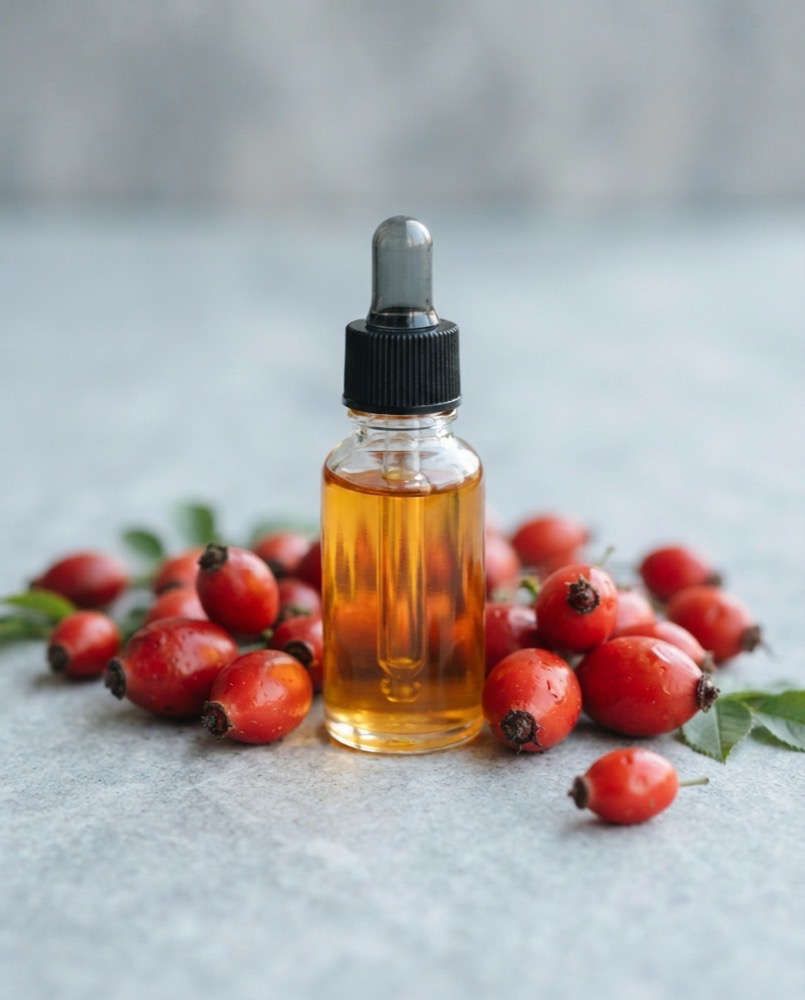
Rosehip oil is cold-pressed from the seeds and fruit of Rosa canina or Rosa rubiginosa – the hip left behind after a rose has flowered. It should not be confused with rose oil, which is distilled from petals and is a fragrance ingredient.
It is rich in linoleic and linolenic acid, vitamin E, and naturally occurring trans-retinoic acid in trace amounts. It has a light, dry feel and a faint earthy scent, and reviews of rosehip-based dermatological products document antioxidant, anti-inflammatory and regenerative activity.
What skin concerns does rosehip oil treat?
It suits dry, dehydrated and mature skin, and its essential fatty acids help calm eczema and general irritation. The vitamin A compounds give it a mild resurfacing effect on tone and texture without retinoid-level irritation.
Its best-documented use is repair: experimental work shows rosehip oil promotes excisional wound healing, which underpins its popularity for scars, stretch marks and post-acne marks.
What ingredients are best paired with rosehip oil?
Layer it over hyaluronic acid or a hydrating serum, and alongside ceramides and squalane for a complete barrier routine. It pairs well with vitamin C for brightening.
Because it already contains vitamin A compounds, introduce it slowly if you are also using a retinoid. Its high linoleic content makes it a better choice for oily skin than most oils, but it oxidises quickly – buy small, opaque bottles and refrigerate. Take our Skin Quiz.
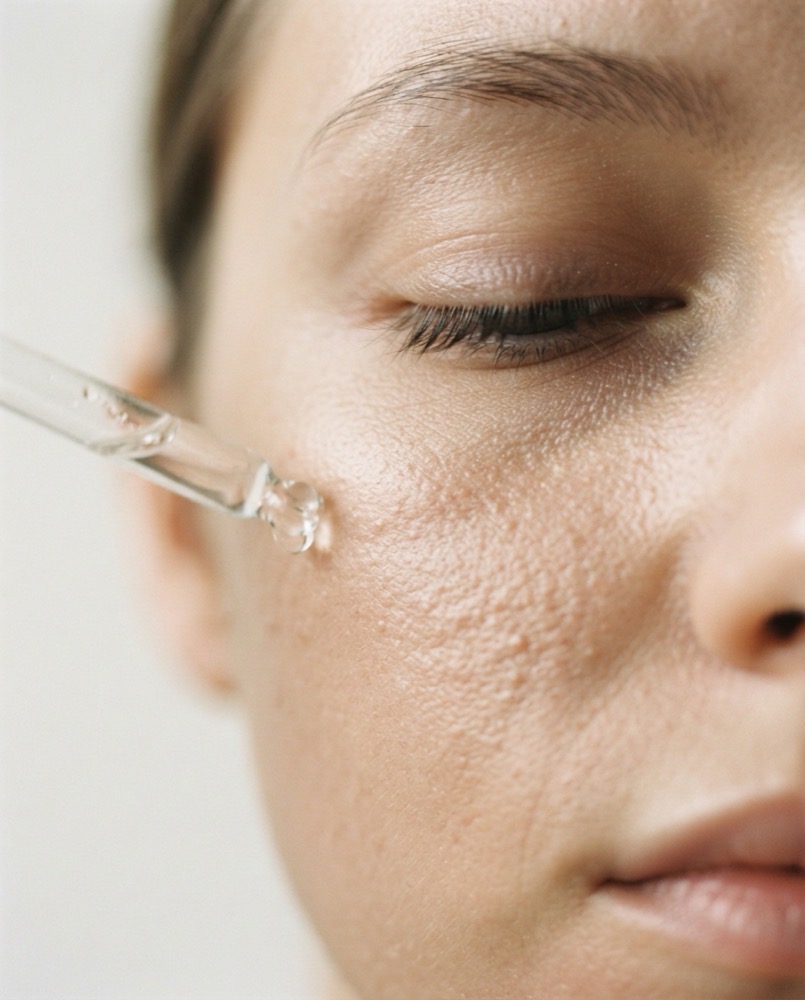
What is bumpy skin?
Bumpy skin is a texture problem rather than a single condition. It covers the rough, uneven surface you can feel more than see – most often keratosis pilaris (small hard bumps on the upper arms, thighs and cheeks), closed comedones, milia, or simple build-up of dead cells on the surface.
Keratosis pilaris in particular affects a large share of the population and is harmless, but it makes skin feel like sandpaper and can be stubborn to smooth out.
What causes bumpy skin?
Most bumpy texture comes from keratin plugging the follicle. When dead cells fail to shed cleanly, they collect at the pore opening and form a firm bump – a process closely linked to a weakened permeability barrier and low skin hydration.
Genetics, dry skin, cold weather, eczema and a history of over-scrubbing all make it worse. Aggressive physical exfoliation tends to backfire, inflaming the follicle and thickening the plug.
What ingredients are best for bumpy skin?
Chemical exfoliation works far better than scrubbing. Salicylic acid clears inside the follicle, lactic and glycolic acid loosen surface build-up, and urea both exfoliates and hydrates.
Retinoids normalise how skin sheds over time, while ceramides, niacinamide and hyaluronic acid keep the barrier strong so the plugs stop reforming. Consistency matters more than strength here. Take our Skin Quiz to work out which exfoliant your skin can tolerate.