What is rose water in skincare?
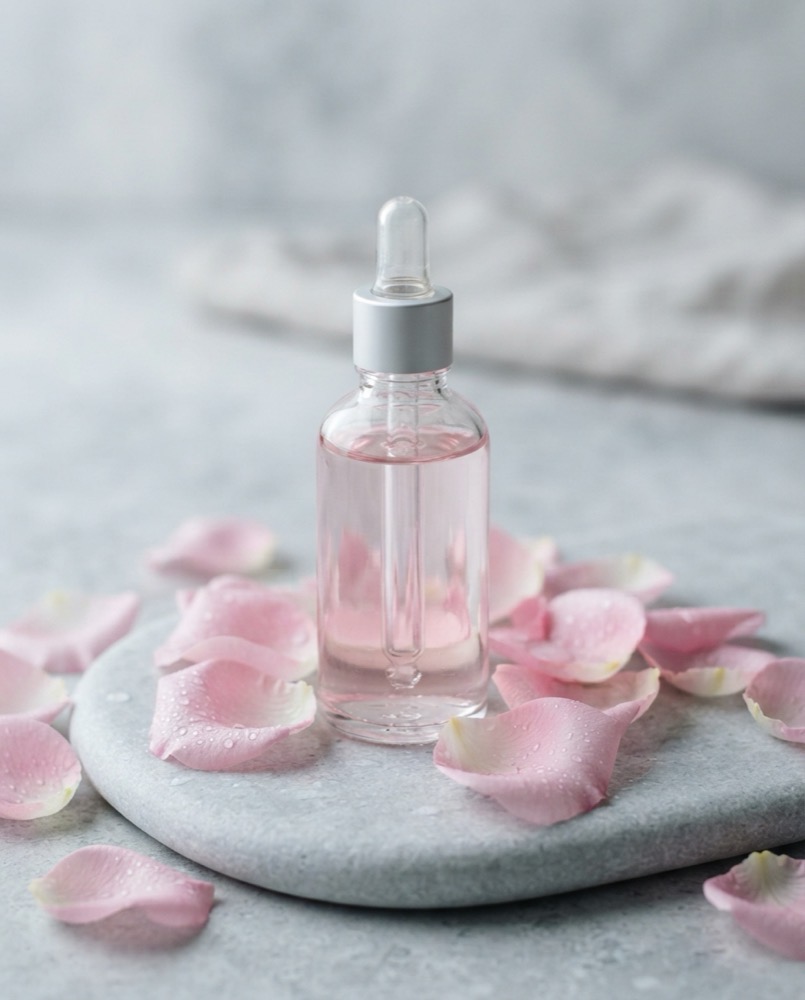
Rose water is the hydrosol left over when rose petals – usually Rosa damascena – are steam-distilled. It is the aromatic water that separates from rose essential oil, and it carries a small fraction of the plant’s water-soluble compounds.
The practice originated in Persia and rose water has been in cosmetic use for well over a thousand years. It should not be confused with rose oil, which is far more concentrated, or with fragranced rose-scented water, which contains no plant material at all.
What skin concerns does rose water treat?
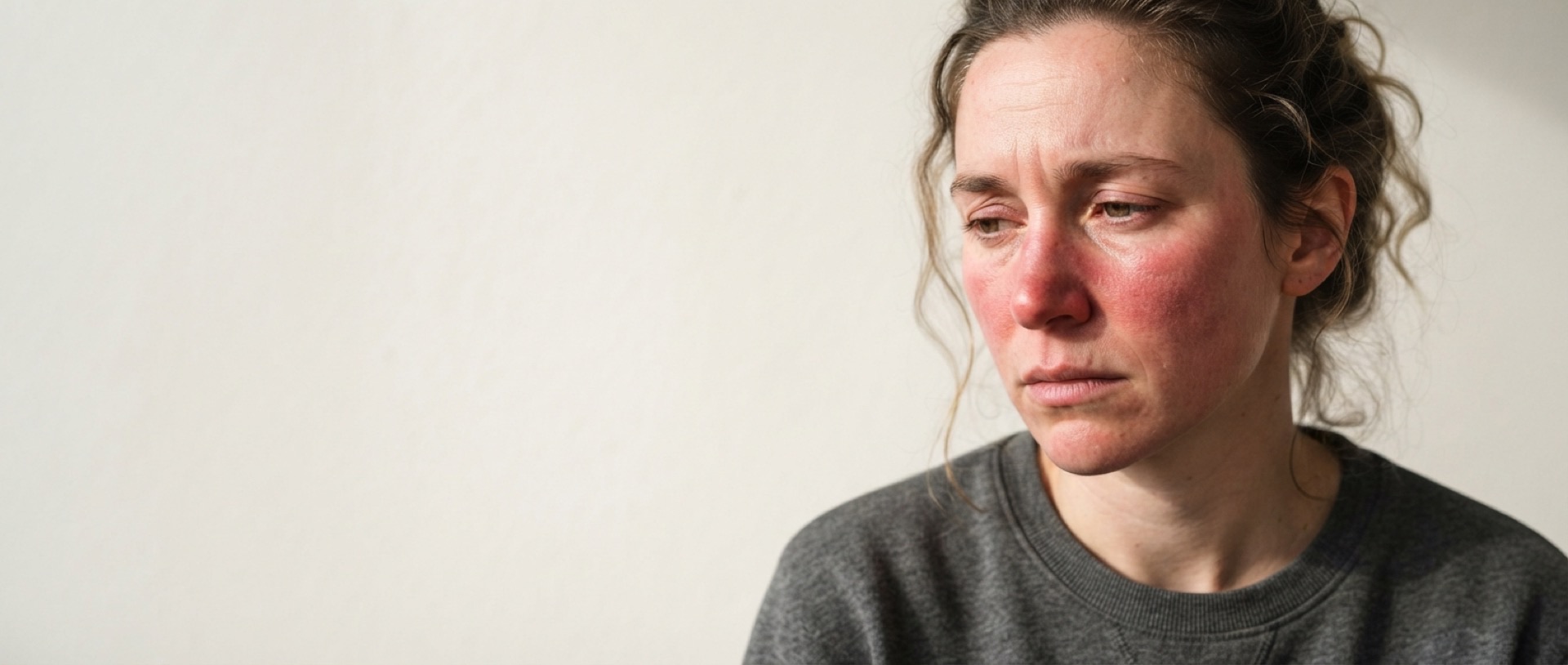
It calms redness and irritation and gives a light, refreshing hydration, which suits sensitive, reactive and post-procedure skin. Extracts of Rosa damascena petal have documented skin anti-inflammatory activity, and its polyphenols contribute antioxidant defence.
It has mild antibacterial properties – a study of rose hydrosol found an effect on skin flora after hand-rubbing. Expect comfort and a pleasant sensory step rather than a measurable change in tone or texture.
What ingredients are best paired with rose water?
Use it as a hydrating base layer and follow with something that holds the water in – hyaluronic acid or glycerin, then ceramides or squalane. On its own it evaporates and leaves skin no better off.
It layers well with niacinamide, centella asiatica and aloe for calming routines. Check the label says rose hydrosol or distillate rather than water plus fragrance, and patch test, since a small number of people are allergic. Take our Skin Quiz.
What are sun spots?
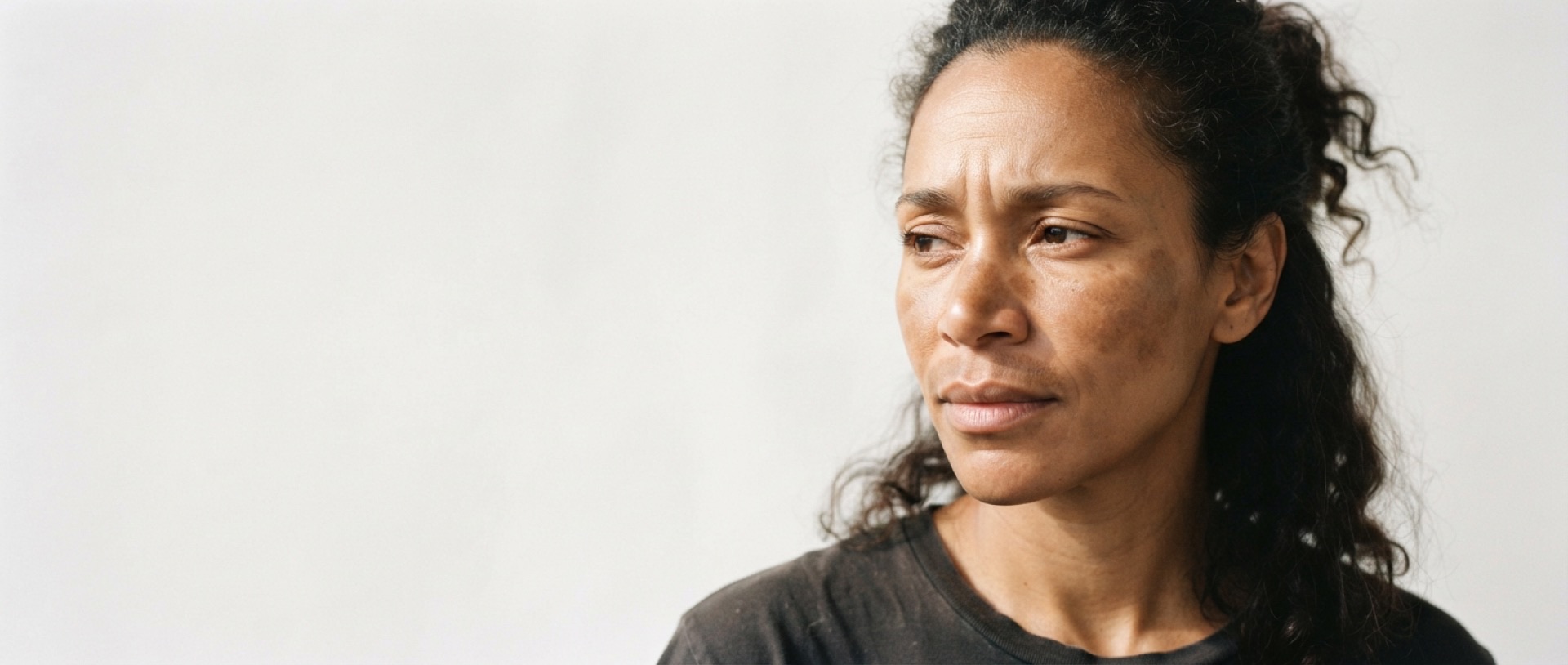
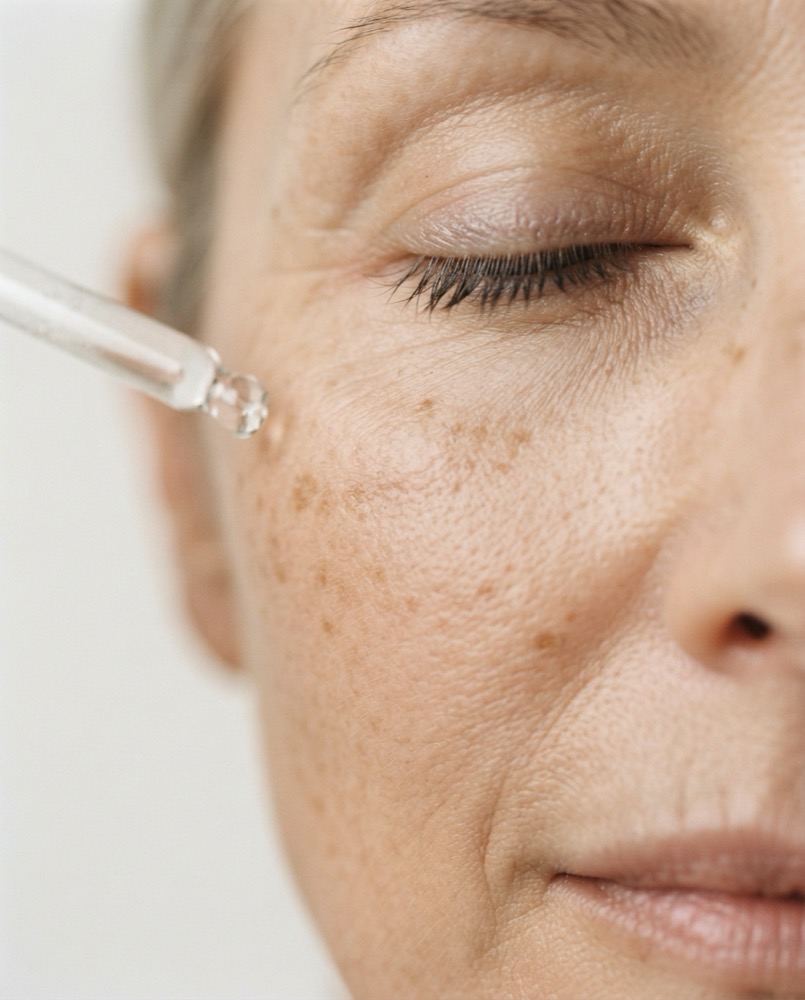
Sun spots are flat patches of concentrated pigment that form where skin has taken the most ultraviolet exposure – cheeks, nose, forehead, hands, shoulders and chest. Dermatologists call them solar lentigines; they are the same thing as age spots.
They are harmless, but they are a visible marker of accumulated photodamage, and they usually arrive alongside other signs of it: fine lines, loss of firmness and an uneven overall tone.
What causes sun spots?
UV radiation prompts melanocytes to produce extra melanin as a defence. With repeated exposure that response becomes localised and fixed, leaving discrete patches instead of an even tan that fades.
Tanning beds, sunburns in childhood, fair skin and outdoor time without protection all increase the count. Incidental exposure – driving, walking, sitting near a window – adds up more than most people expect.
What ingredients are best for sun spots?
Retinoids to accelerate turnover, vitamin C to protect and brighten, and pigment inhibitors such as alpha arbutin, kojic acid, azelaic acid, tranexamic acid and liquorice root are the core toolkit.
Gentle AHAs help shift surface pigment, and niacinamide slows the transfer of melanin into skin cells. None of it holds without daily broad-spectrum SPF and reapplication. Take our Skin Quiz.