What is retinol in skincare?
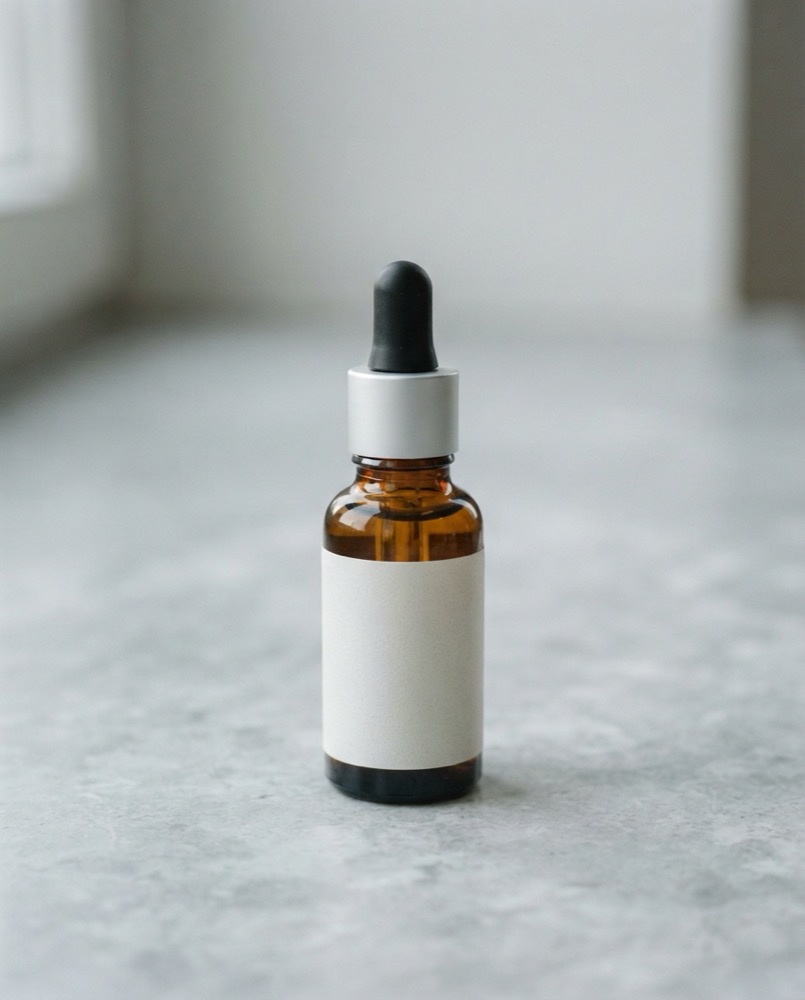
Retinol is an over-the-counter retinoid – a vitamin A derivative that your skin converts into retinoic acid, the biologically active form. Once converted, it binds to receptors in the skin and signals cells to turn over faster, ramp up collagen production and normalise the way pores shed keratin.
That combination is why retinol is one of the most studied active ingredients in modern skincare, and why it sits at the centre of most dermatologist-designed anti-ageing routines. Strengths typically range from 0.01% to 1%, and lower concentrations used consistently often outperform high strengths used sporadically.
What skin concerns does retinol treat?
Retinol works on several concerns at once: fine lines and wrinkles, loss of firmness and crepey texture, uneven skin tone, dark spots and post-acne pigmentation, enlarged or congested pores, and both hormonal and adult acne.
Because it acts on cell turnover rather than on the skin’s surface, results build over weeks rather than days. Most people see visible change between eight and twelve weeks of consistent nightly use, with continued improvement well beyond that.
What ingredients are best paired with retinol?
Pair retinol with hydrating, barrier-supporting ingredients – hyaluronic acid, ceramides, niacinamide, squalane and peptides – to offset the dryness, flaking and redness that can come with faster turnover. Apply it at night, and wear a broad-spectrum sunscreen every morning, since retinol makes skin more sun-sensitive.
Avoid layering it in the same step as AHAs, BHAs or benzoyl peroxide unless your routine has been built to handle it, and introduce it two or three nights a week before going nightly. Want to know which retinol strength suits your skin? Take our Skin Quiz.
What are sun spots?
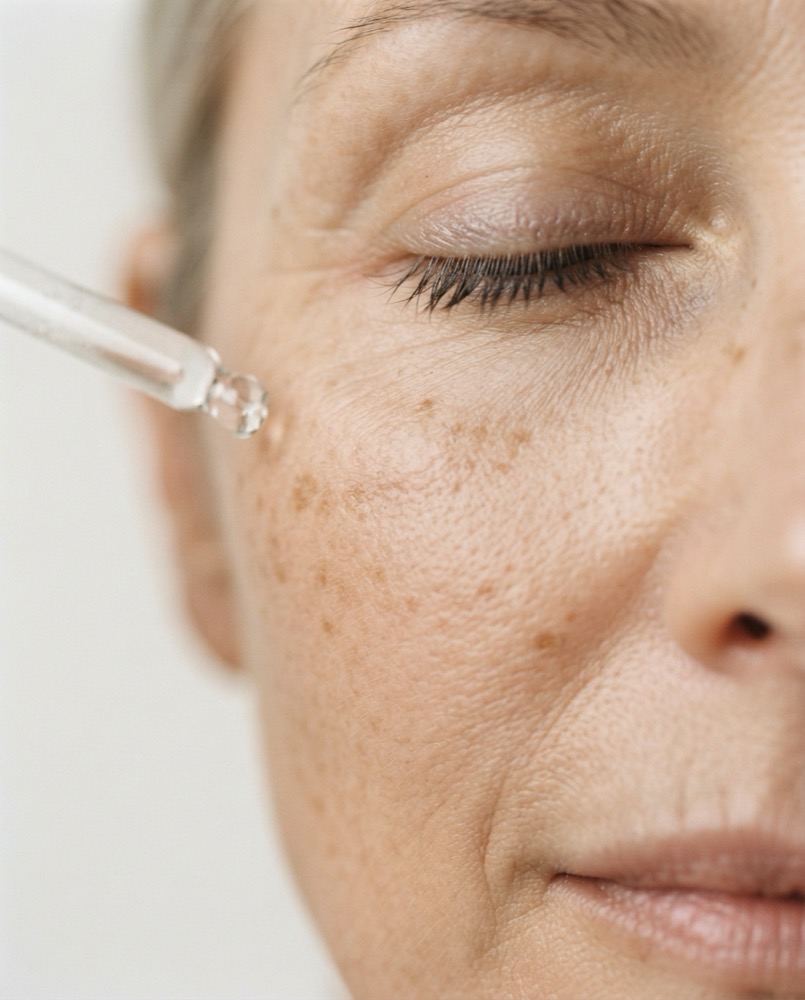
Sun spots are flat patches of concentrated pigment that form where skin has taken the most ultraviolet exposure – cheeks, nose, forehead, hands, shoulders and chest. Dermatologists call them solar lentigines; they are the same thing as age spots.
They are harmless, but they are a visible marker of accumulated photodamage, and they usually arrive alongside other signs of it: fine lines, loss of firmness and an uneven overall tone.
What causes sun spots?
UV radiation prompts melanocytes to produce extra melanin as a defence. With repeated exposure that response becomes localised and fixed, leaving discrete patches instead of an even tan that fades.
Tanning beds, sunburns in childhood, fair skin and outdoor time without protection all increase the count. Incidental exposure – driving, walking, sitting near a window – adds up more than most people expect.
What ingredients are best for sun spots?
Retinoids to accelerate turnover, vitamin C to protect and brighten, and pigment inhibitors such as alpha arbutin, kojic acid, azelaic acid, tranexamic acid and liquorice root are the core toolkit.
Gentle AHAs help shift surface pigment, and niacinamide slows the transfer of melanin into skin cells. None of it holds without daily broad-spectrum SPF and reapplication. Take our Skin Quiz.