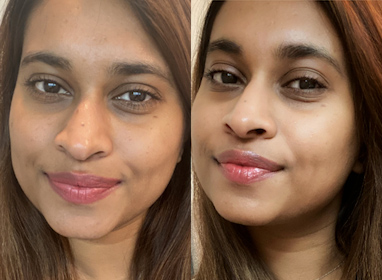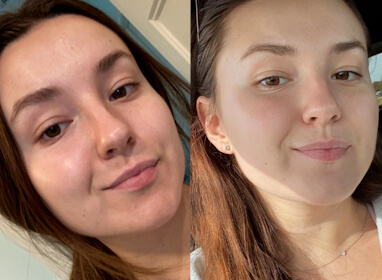


What is retinol in skincare?
Retinol is an over-the-counter retinoid – a vitamin A derivative that your skin converts into retinoic acid, the biologically active form. Once converted, it binds to receptors in the skin and signals cells to turn over faster, ramp up collagen production and normalise the way pores shed keratin.
That combination is why retinol is one of the most studied active ingredients in modern skincare, and why it sits at the centre of most dermatologist-designed anti-ageing routines. Strengths typically range from 0.01% to 1%, and lower concentrations used consistently often outperform high strengths used sporadically.
What skin concerns does retinol treat?
Retinol works on several concerns at once: fine lines and wrinkles, loss of firmness and crepey texture, uneven skin tone, dark spots and post-acne pigmentation, enlarged or congested pores, and both hormonal and adult acne.
Because it acts on cell turnover rather than on the skin’s surface, results build over weeks rather than days. Most people see visible change between eight and twelve weeks of consistent nightly use, with continued improvement well beyond that.
What ingredients are best paired with retinol?
Pair retinol with hydrating, barrier-supporting ingredients – hyaluronic acid, ceramides, niacinamide, squalane and peptides – to offset the dryness, flaking and redness that can come with faster turnover. Apply it at night, and wear a broad-spectrum sunscreen every morning, since retinol makes skin more sun-sensitive.
Avoid layering it in the same step as AHAs, BHAs or benzoyl peroxide unless your routine has been built to handle it, and introduce it two or three nights a week before going nightly. Want to know which retinol strength suits your skin? Take our Skin Quiz.
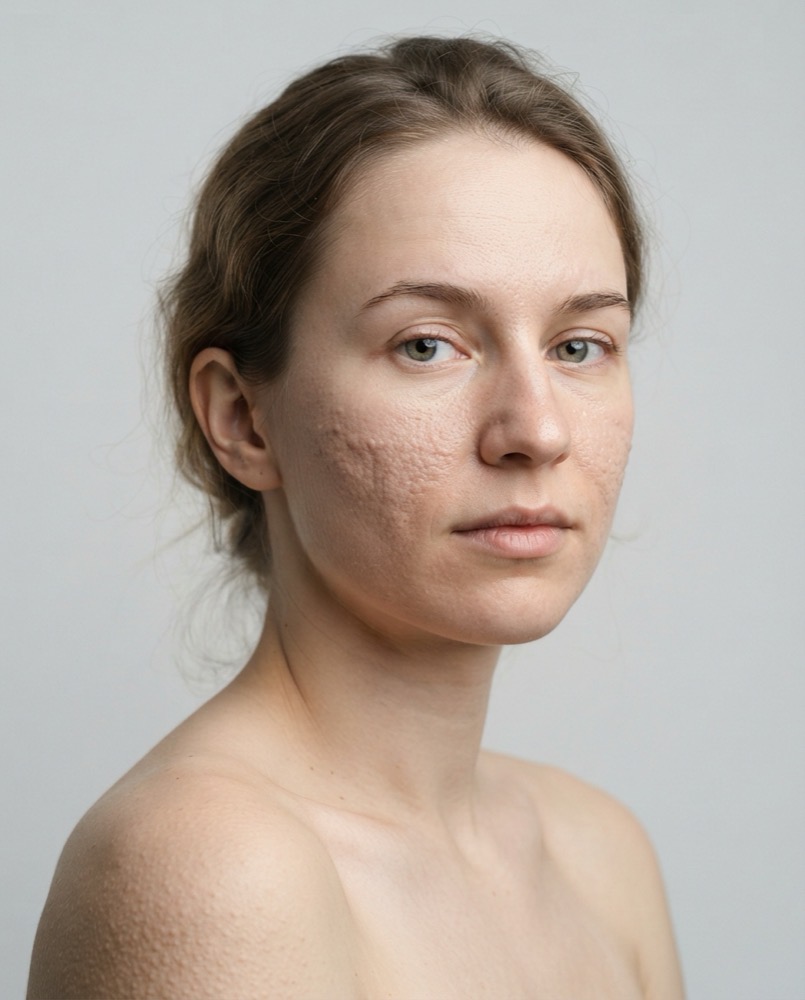
What is bumpy skin?
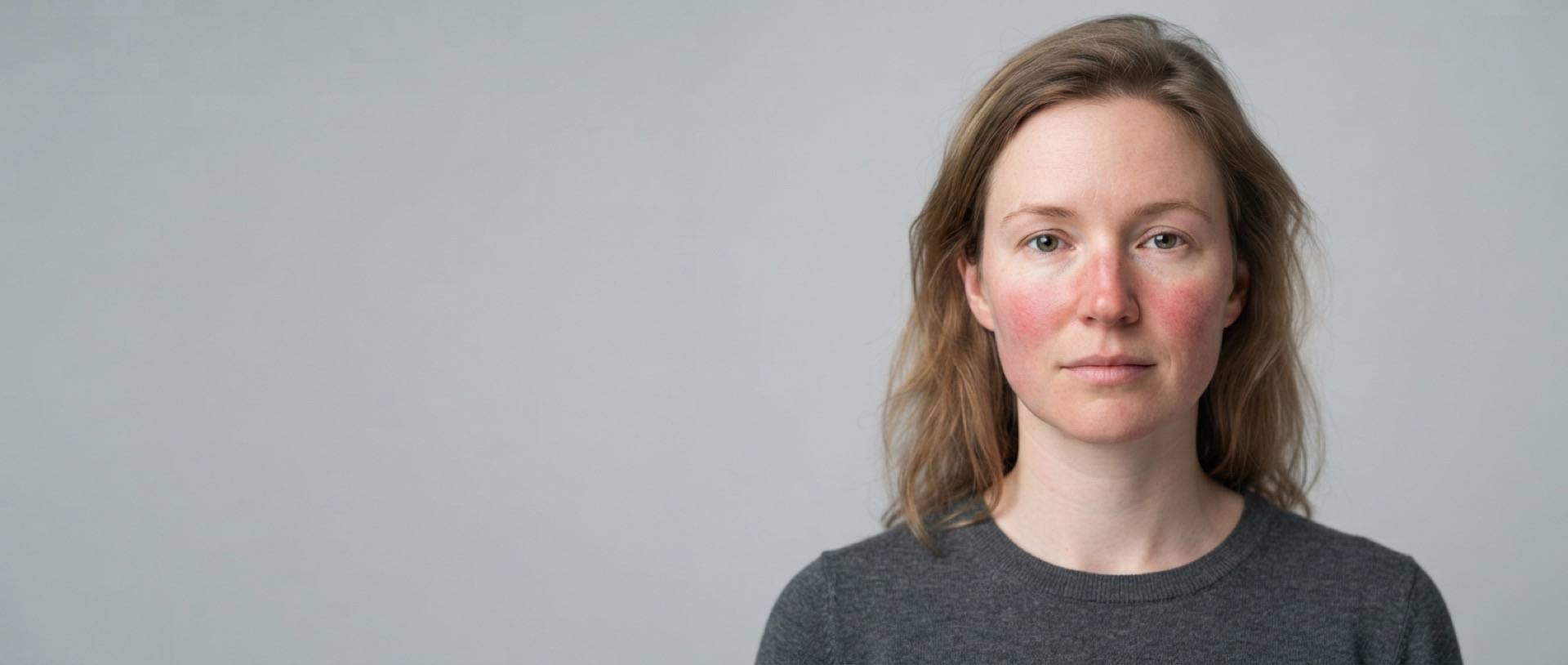
Bumpy skin is a texture problem rather than a single condition. It covers the rough, uneven surface you can feel more than see – most often keratosis pilaris (small hard bumps on the upper arms, thighs and cheeks), closed comedones, milia, or simple build-up of dead cells on the surface.
Keratosis pilaris in particular affects a large share of the population and is harmless, but it makes skin feel like sandpaper and can be stubborn to smooth out.
What causes bumpy skin?
Most bumpy texture comes from keratin plugging the follicle. When dead cells fail to shed cleanly, they collect at the pore opening and form a firm bump – a process closely linked to a weakened permeability barrier and low skin hydration.
Genetics, dry skin, cold weather, eczema and a history of over-scrubbing all make it worse. Aggressive physical exfoliation tends to backfire, inflaming the follicle and thickening the plug.
What ingredients are best for bumpy skin?
Chemical exfoliation works far better than scrubbing. Salicylic acid clears inside the follicle, lactic and glycolic acid loosen surface build-up, and urea both exfoliates and hydrates.
Retinoids normalise how skin sheds over time, while ceramides, niacinamide and hyaluronic acid keep the barrier strong so the plugs stop reforming. Consistency matters more than strength here. Take our Skin Quiz to work out which exfoliant your skin can tolerate.