What is retinoic acid in skincare?
Retinoic acid is the form of vitamin A that skin cells can actually use. Every other retinoid – retinyl palmitate, retinol, retinaldehyde – is a precursor that the skin must convert into retinoic acid through one or more enzymatic steps before anything happens.
Applied topically as tretinoin it is a prescription medicine, because it bypasses conversion entirely and binds straight to retinoic acid receptors in the cell nucleus.
What skin concerns does retinoic acid treat?
By binding those receptors it changes gene expression: keratinocytes mature and shed normally, sebaceous activity drops, melanin distribution evens out, and dermal fibroblasts produce more collagen.
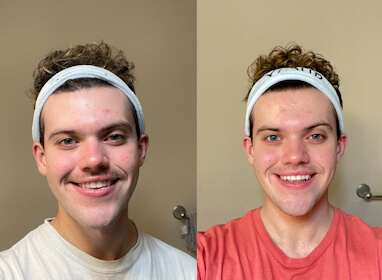
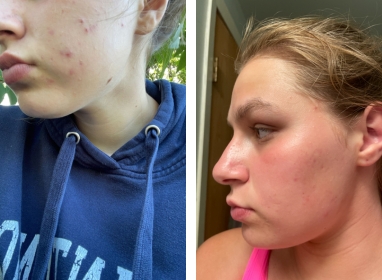
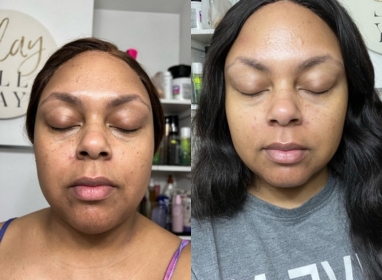
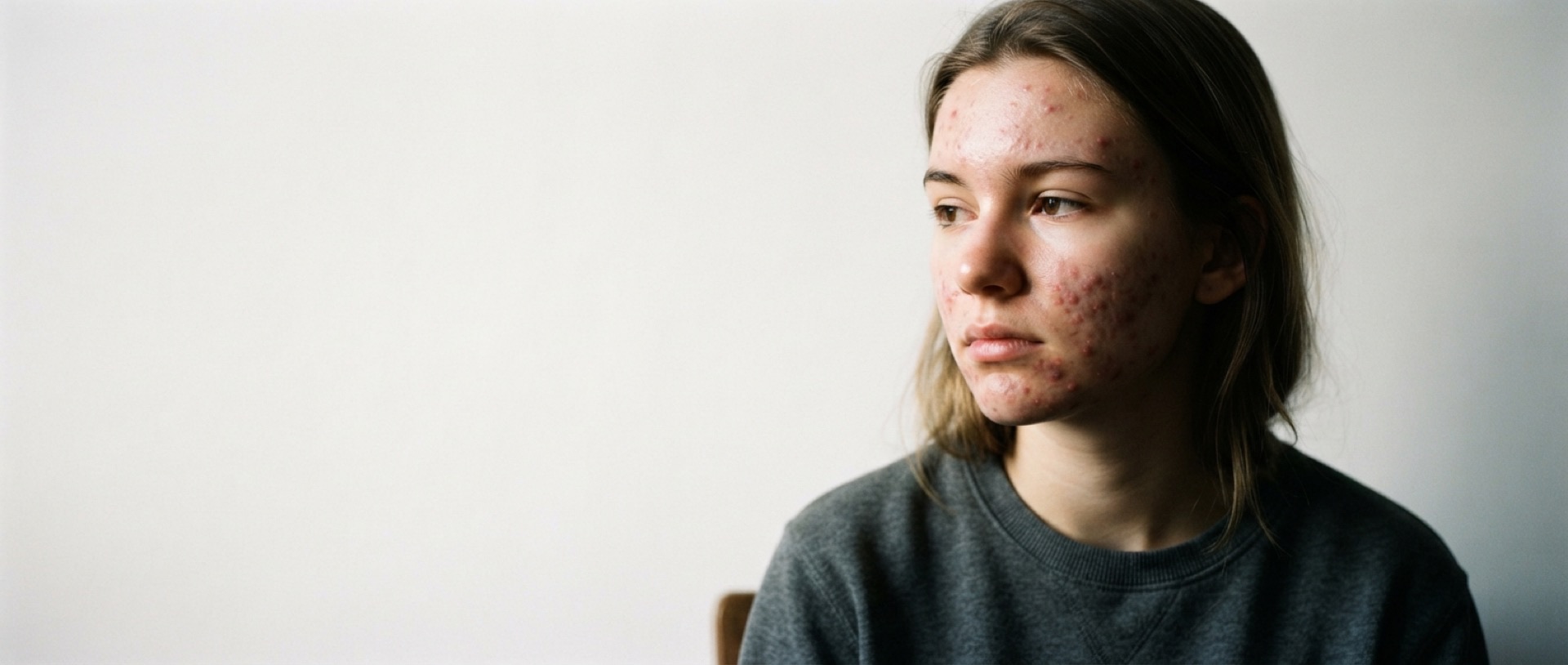
That translates to measurable improvement in acne, fine lines, wrinkles, rough texture, enlarged pores and mottled pigmentation – the widest evidence base of any topical active.
What ingredients are best paired with retinoic acid?
Because it is the most potent form, barrier support matters most: ceramides, hyaluronic acid, niacinamide, panthenol and squalane. Build up slowly rather than pushing through irritation.
Keep it to night use, apply broad-spectrum SPF every morning, and avoid layering with AHAs, BHAs or benzoyl peroxide in the same step. It is contraindicated in pregnancy. If your skin cannot tolerate it, retinaldehyde or a well-formulated retinol is the sensible step down. Take our Skin Quiz.
What are wrinkles?
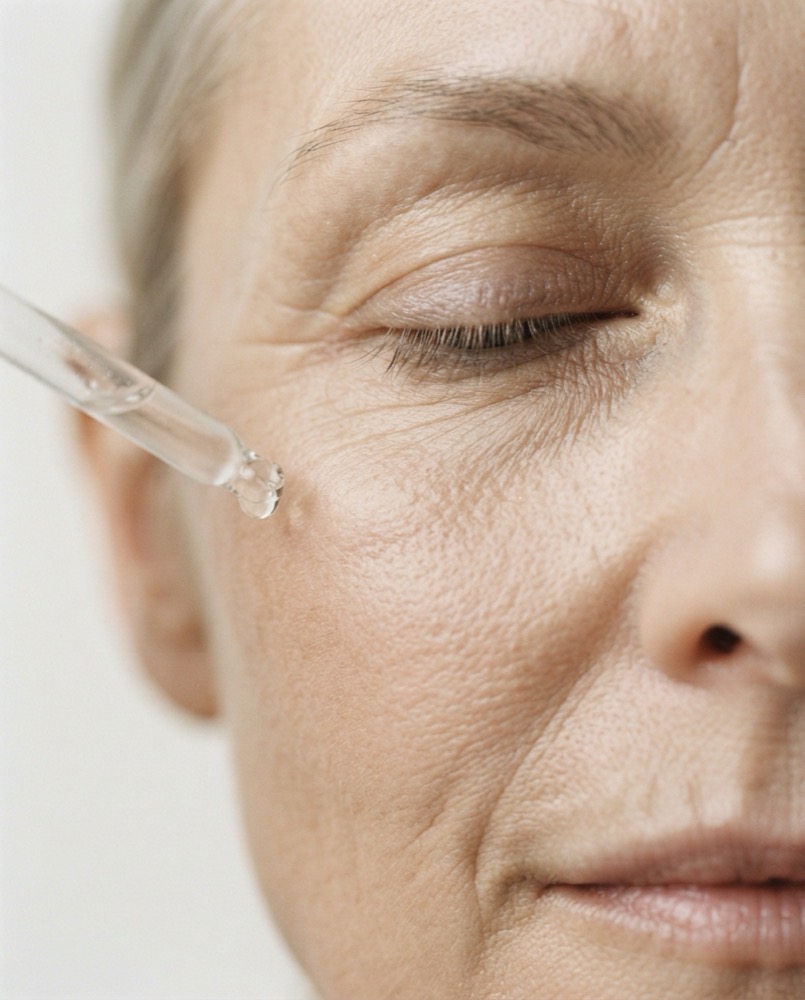
Wrinkles are permanent folds and creases in the skin. They begin as dynamic lines that appear only with expression, then set into static lines visible at rest once the underlying support structure can no longer push them back out.
They form first where skin is thin and movement is constant: crow’s feet, forehead lines, frown lines between the brows, and nasolabial folds. Deeper folds also reflect loss of fat and bone volume, not just skin change.
What causes wrinkles?
Internally, collagen and elastin production declines steadily from the mid-twenties and the dermal matrix thins, so skin loses the scaffolding that keeps it smooth.
Externally, ultraviolet radiation does most of the damage – it activates enzymes that break down collagen and degrades elastic fibres. Smoking, pollution, sugar-driven glycation, poor sleep, sleeping position and repeated facial movement all accelerate the process.
What ingredients are best for wrinkles?
Retinoids have the deepest evidence base for stimulating collagen and measurably reducing wrinkle depth over six to twelve months. Vitamin C supports synthesis while neutralising the free radicals that break it down, and peptides signal repair.
Round it out with hyaluronic acid and ceramides for hydration and barrier strength, niacinamide for elasticity and tone, and AHAs for surface renewal. Daily broad-spectrum SPF is the most effective anti-wrinkle product there is. Take our Skin Quiz.