What is resveratrol in skincare?
Resveratrol is a polyphenol produced by plants under stress – grapes, berries, peanuts and Japanese knotweed are the main sources. Red wine is where most people first hear of it, though the amounts there are trivial.
In skincare it functions as a potent antioxidant and an activator of sirtuins, proteins involved in cellular repair and longevity. It is well characterised for antioxidant, anti-inflammatory and antimicrobial activity on skin.
What skin concerns does resveratrol treat?
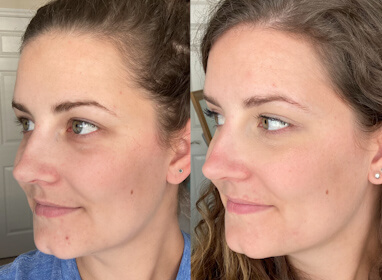
It targets the visible results of oxidative stress: dullness, uneven tone, fine lines and loss of firmness. Its anti-inflammatory action also helps redness and reactive skin.
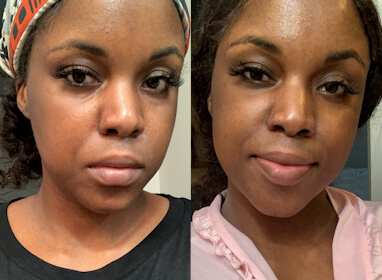
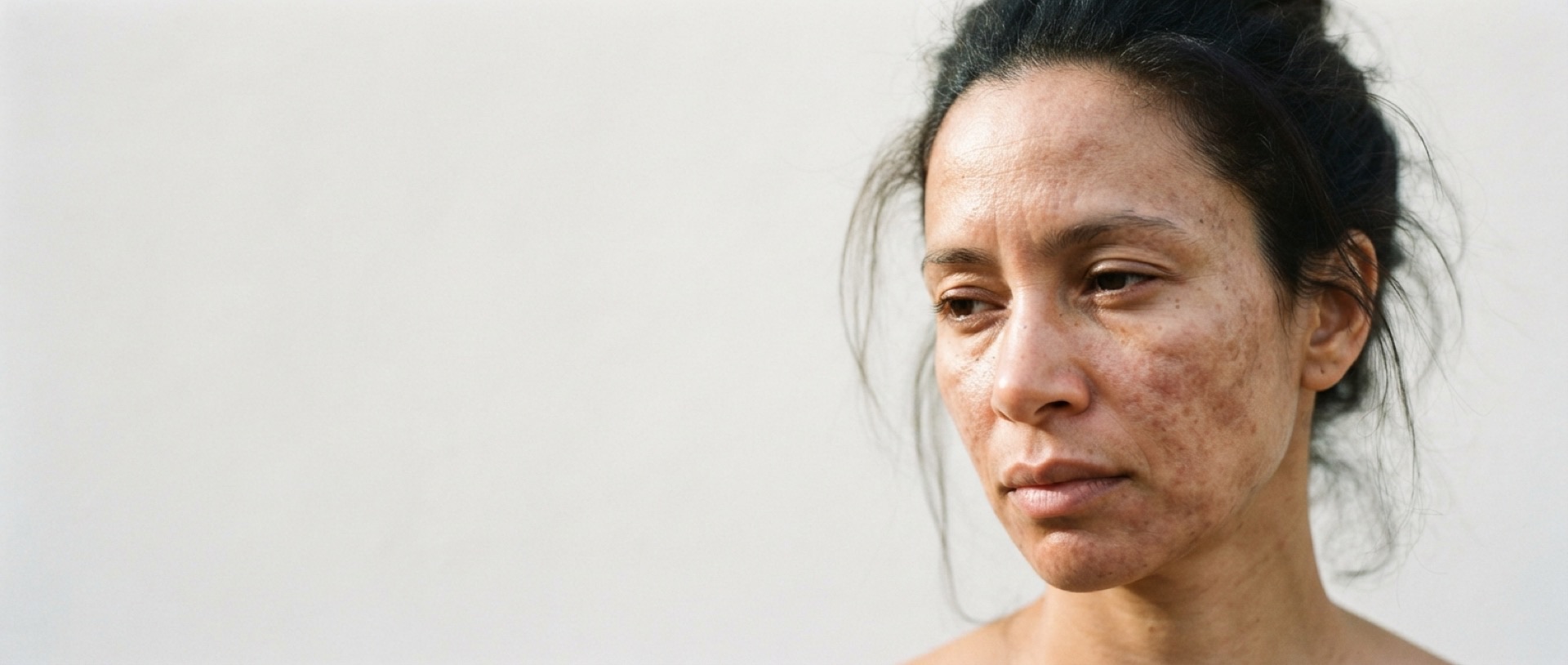
It has documented skin-lightening activity through tyrosinase inhibition, making it a gentler option for pigmentation than many actives, and a small trial found it reduced facial redness when combined with green tea and caffeine.
What ingredients are best paired with resveratrol?
It is typically used at night, where it complements the repair work skin does while you sleep, and it pairs particularly well with vitamin E, ferulic acid, niacinamide and green tea.
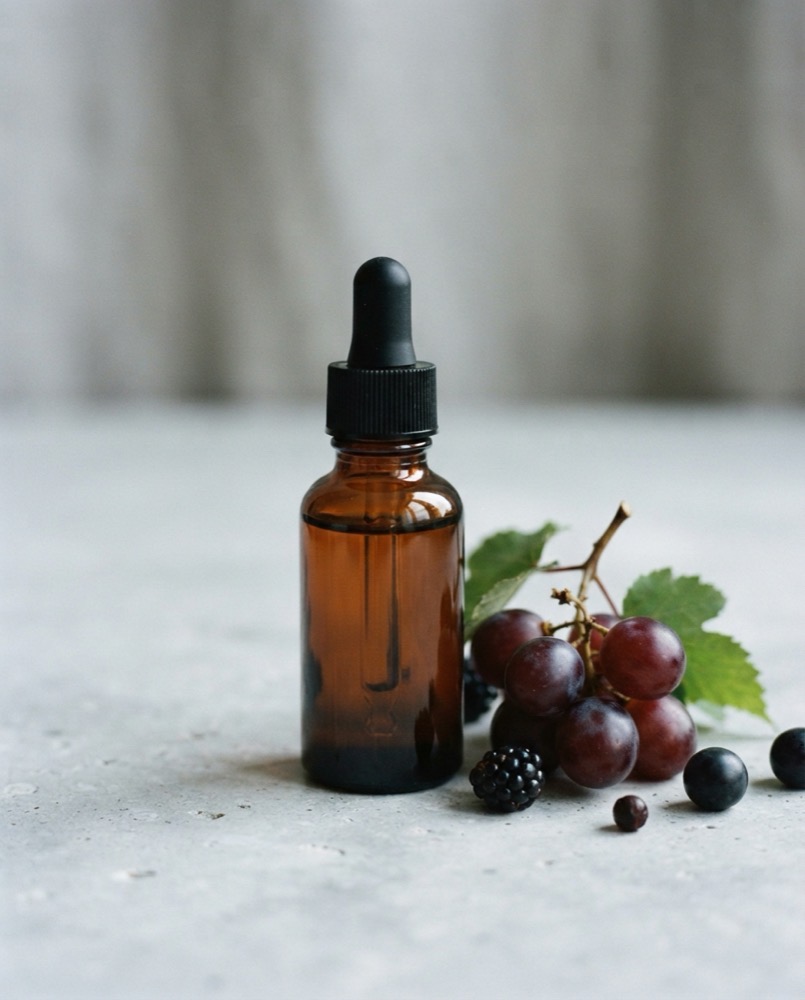
It also combines safely with retinoids and peptides. Because it is unstable in light, look for opaque, air-tight packaging – a resveratrol serum in a clear dropper bottle is not doing much. Take our Skin Quiz.
What is oily skin?
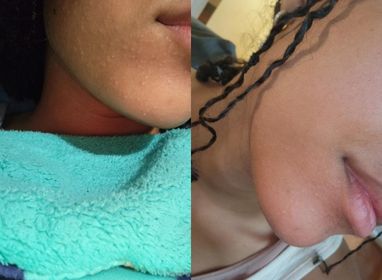
Oily skin is a skin type in which the sebaceous glands produce more sebum than the skin needs. It shows up as shine through the T-zone within hours of cleansing, visibly enlarged pores, makeup that slides or separates, and a tendency towards blackheads and congestion.
Sebum itself is not the enemy – it carries vitamin E to the surface, keeps the barrier supple and helps oily skin hold its structure, which is why it often shows fine lines later than dry skin does.
What causes oily skin?
Genetics and androgen activity are the primary drivers of how much sebum your glands produce. Heat and humidity increase output measurably, and hormonal fluctuations across the monthly cycle, pregnancy or puberty shift it again.
Stress, a diet heavy in refined carbohydrates, and – counter-intuitively – over-cleansing with stripping foams or alcohol-based toners all push oil production up, because skin compensates for a damaged barrier by making more.
What ingredients are best for oily skin?
Look for salicylic acid (a BHA that is oil-soluble, so it clears inside the pore), niacinamide and zinc to regulate sebum, clay such as bentonite or kaolin for weekly absorption, and retinoids or azelaic acid to normalise how pores shed.
Do not skip hydration: lightweight humectants like hyaluronic acid and glycerin, plus non-comedogenic squalane or jojoba oil, keep the barrier intact so the skin stops over-compensating. Skip heavy occlusive balms and high-alcohol toners. Take our Skin Quiz to get the balance right for your skin.