

What is resveratrol in skincare?
Resveratrol is a polyphenol produced by plants under stress – grapes, berries, peanuts and Japanese knotweed are the main sources. Red wine is where most people first hear of it, though the amounts there are trivial.
In skincare it functions as a potent antioxidant and an activator of sirtuins, proteins involved in cellular repair and longevity. It is well characterised for antioxidant, anti-inflammatory and antimicrobial activity on skin.
What skin concerns does resveratrol treat?
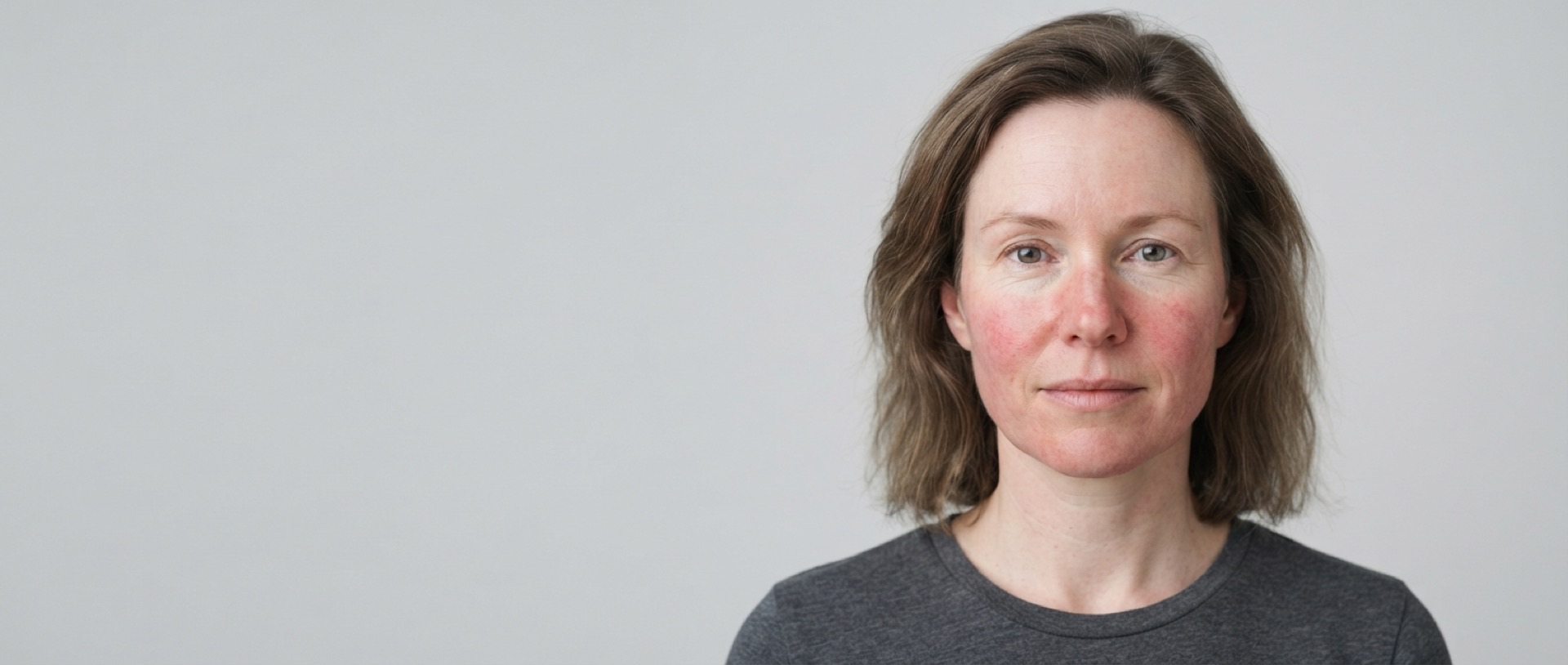
It targets the visible results of oxidative stress: dullness, uneven tone, fine lines and loss of firmness. Its anti-inflammatory action also helps redness and reactive skin.
It has documented skin-lightening activity through tyrosinase inhibition, making it a gentler option for pigmentation than many actives, and a small trial found it reduced facial redness when combined with green tea and caffeine.
What ingredients are best paired with resveratrol?
It is typically used at night, where it complements the repair work skin does while you sleep, and it pairs particularly well with vitamin E, ferulic acid, niacinamide and green tea.
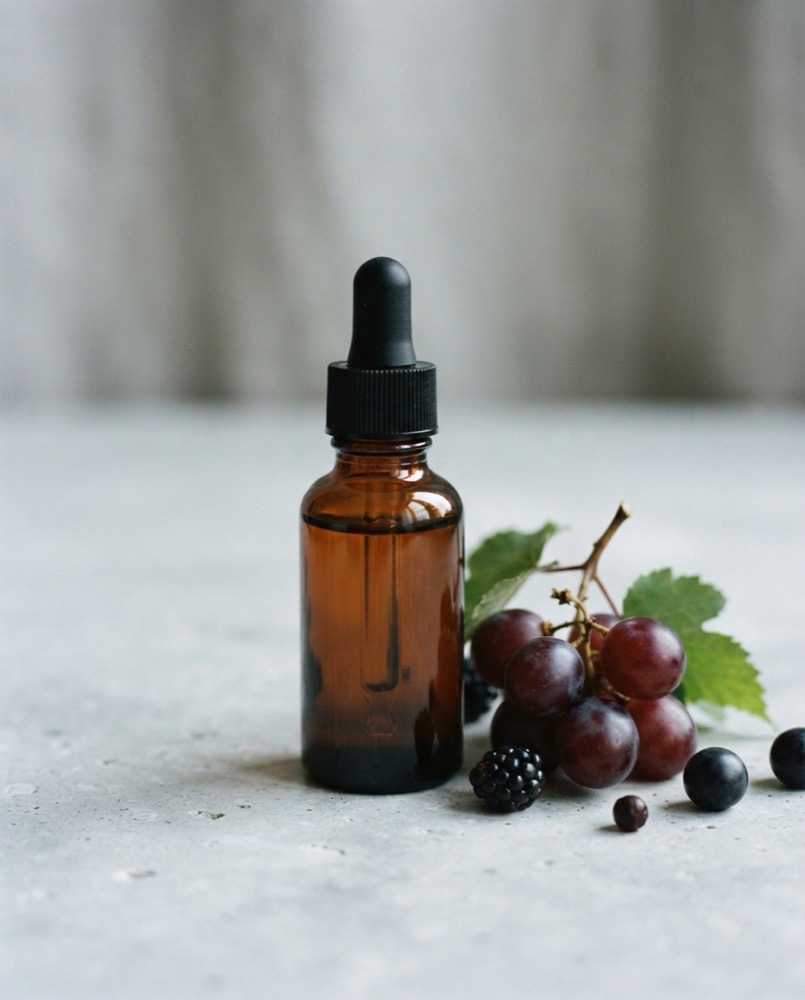
It also combines safely with retinoids and peptides. Because it is unstable in light, look for opaque, air-tight packaging – a resveratrol serum in a clear dropper bottle is not doing much. Take our Skin Quiz.
What is cystic acne?
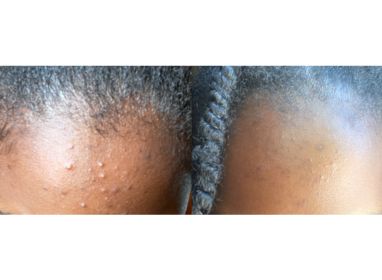
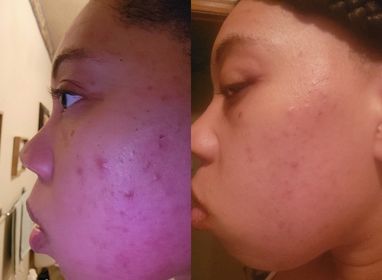
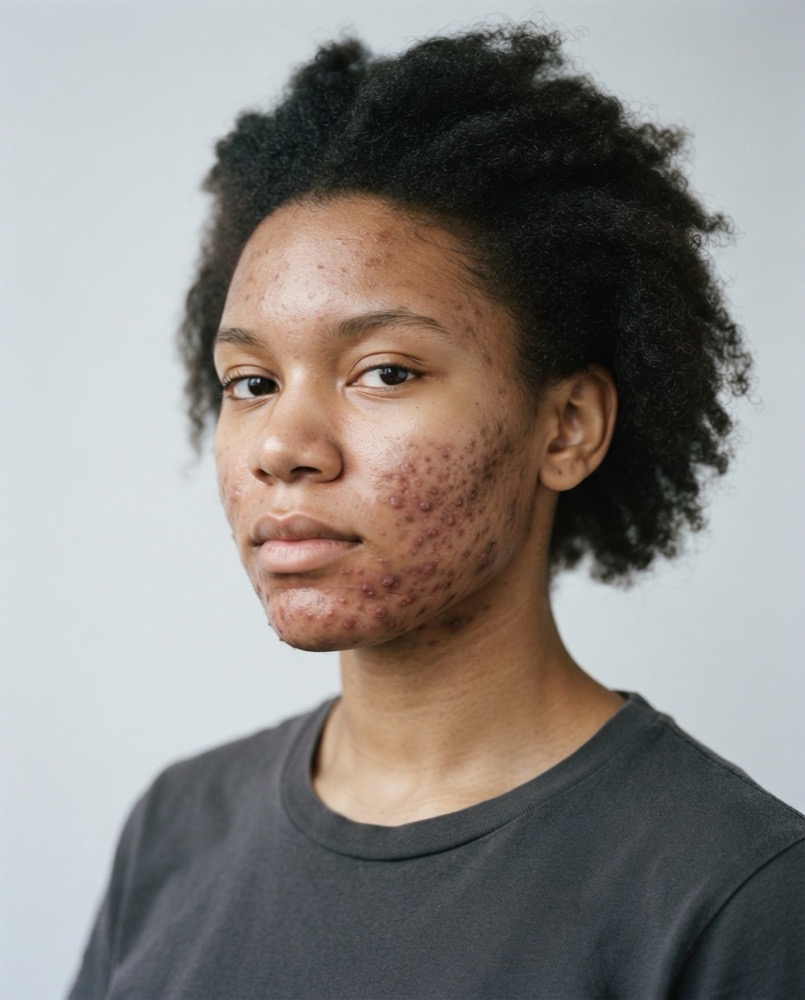
Cystic acne is the most severe form of inflammatory acne. Instead of surface pimples, it produces deep, tender nodules and fluid-filled cysts that sit under the skin, often without ever coming to a head.
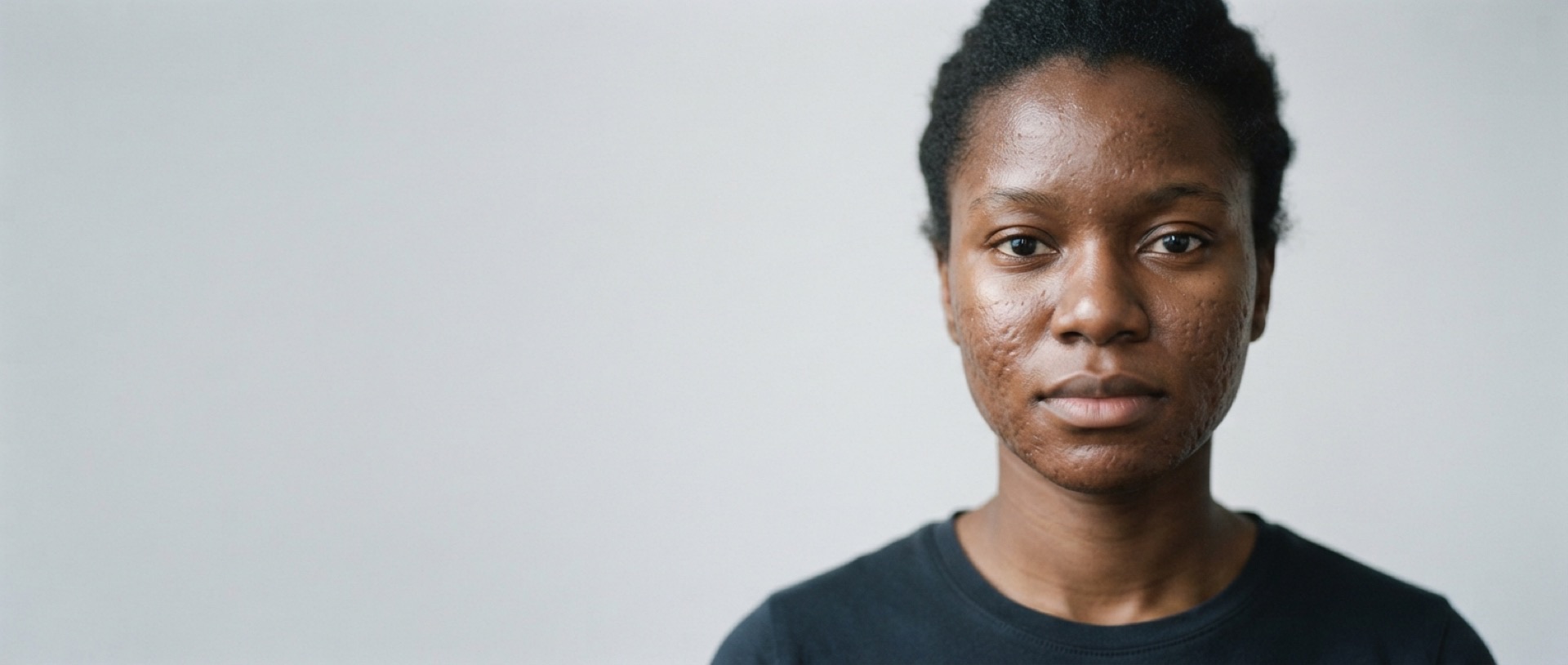
It happens when a blocked follicle ruptures deep in the dermis and spills sebum, keratin and bacteria into surrounding tissue, triggering a strong immune inflammatory response. Because the damage is deep, cystic acne is the type most likely to scar.
What causes cystic acne?
The same four factors behind all acne, amplified: excess sebum, abnormal shedding inside the follicle, overgrowth of Cutibacterium acnes, and inflammation. Androgens drive sebum production, which is why cystic acne often tracks with hormonal cycles, PCOS or puberty.
Genetics strongly influence severity, and stress, high-glycaemic diets, occlusive products and picking at lesions all make it worse. Squeezing a cyst pushes the contents deeper and reliably increases scarring.
What ingredients are best for cystic acne?
Cystic acne genuinely warrants a dermatologist – oral treatment is often needed. Alongside that, topical retinoids are the most useful over-the-counter active, because they work on the plug before it ruptures.
Benzoyl peroxide reduces bacterial load, azelaic acid calms inflammation and post-acne marks, and niacinamide helps redness without irritation. Keep the rest of the routine gentle and barrier-focused – harsh scrubs and drying alcohol make deep lesions angrier. Take our Skin Quiz.