

What is propanediol in skincare?
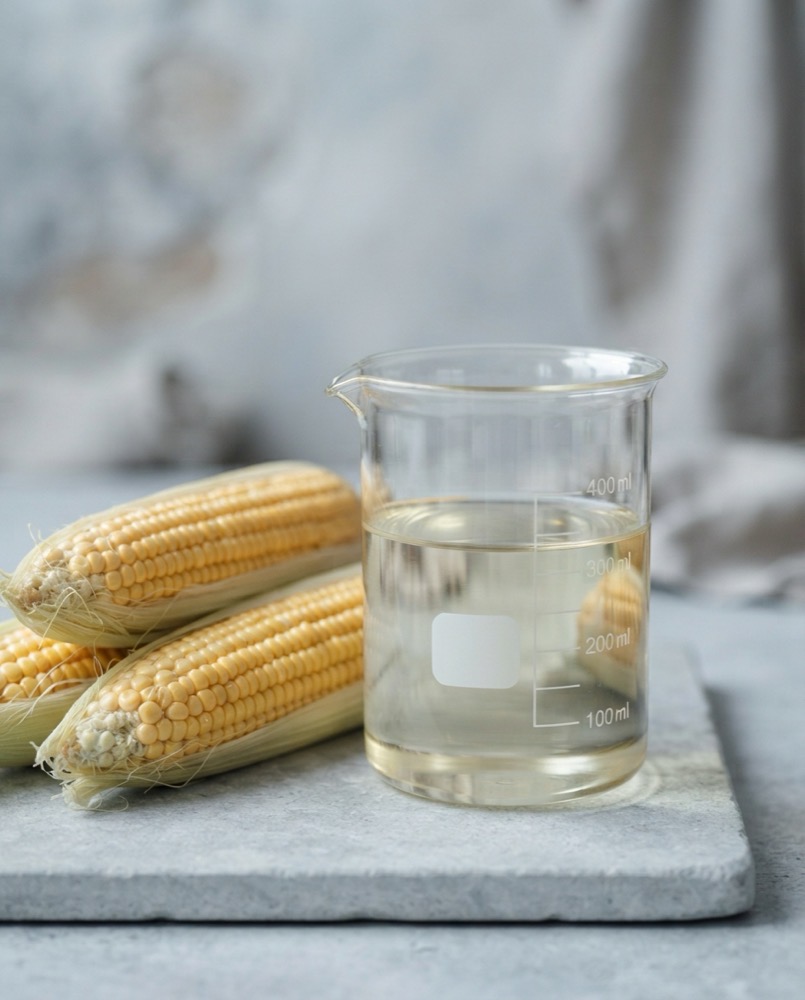
Propanediol – specifically 1,3-propanediol – is a small alcohol produced by fermenting corn sugar. It appears near the top of a great many ingredient lists because it does several unshowy jobs at once.
It is a humectant, a solvent for ingredients that will not dissolve in water alone, a preservative booster, and a texture agent that gives a formula its light, non-tacky slip. It is the plant-derived alternative brands reach for in place of propylene glycol.
What skin concerns does propanediol treat?
As a humectant it draws water into the stratum corneum, relieving dryness and tightness in any skin type. It is lightweight and non-comedogenic, so it suits oily and acne-prone skin as readily as dry.
Its more important function is enabling: it improves how well other actives penetrate and stay dissolved, so the salicylic acid or vitamin C beside it in the formula works better. Research on 1,3-propanediol covers exactly that role.
What ingredients are best paired with propanediol?
It carries and enhances actives across the board – salicylic acid, vitamin C, niacinamide, retinoids – and layers with glycerin and hyaluronic acid for hydration.
It is generally better tolerated than propylene glycol, which is a documented contact allergen, so it is the sensible choice for reactive skin. Seal it with a moisturiser as you would any humectant. Take our Skin Quiz.
What is bumpy skin?
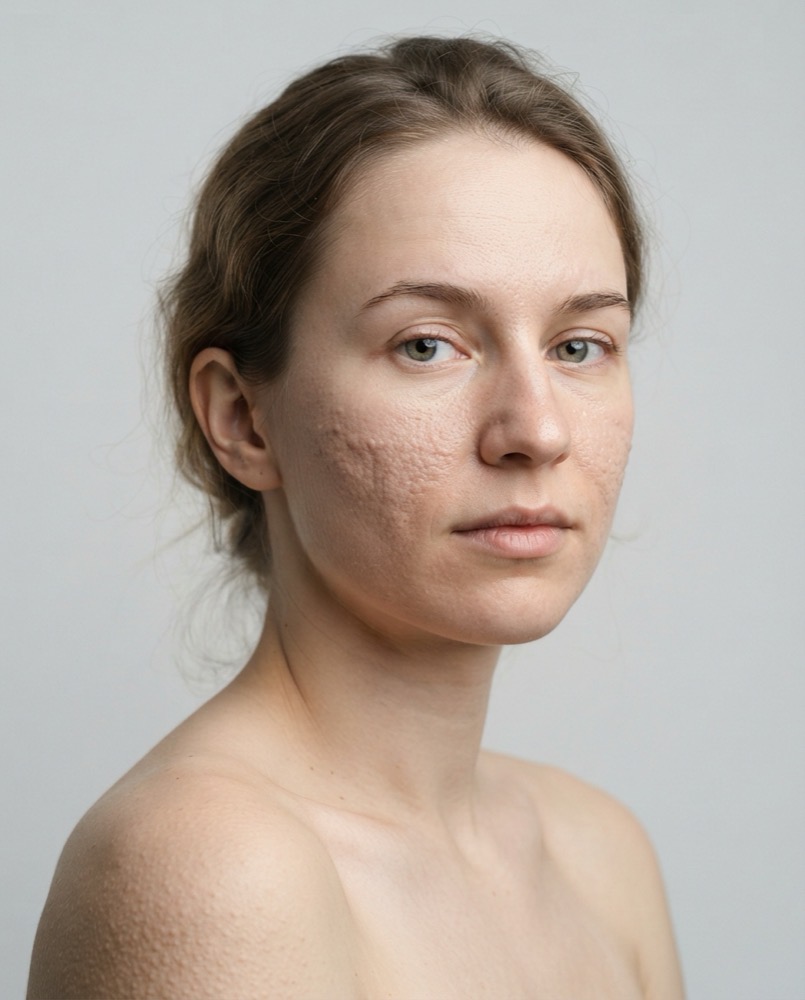
Bumpy skin is a texture problem rather than a single condition. It covers the rough, uneven surface you can feel more than see – most often keratosis pilaris (small hard bumps on the upper arms, thighs and cheeks), closed comedones, milia, or simple build-up of dead cells on the surface.
Keratosis pilaris in particular affects a large share of the population and is harmless, but it makes skin feel like sandpaper and can be stubborn to smooth out.
What causes bumpy skin?
Most bumpy texture comes from keratin plugging the follicle. When dead cells fail to shed cleanly, they collect at the pore opening and form a firm bump – a process closely linked to a weakened permeability barrier and low skin hydration.
Genetics, dry skin, cold weather, eczema and a history of over-scrubbing all make it worse. Aggressive physical exfoliation tends to backfire, inflaming the follicle and thickening the plug.
What ingredients are best for bumpy skin?
Chemical exfoliation works far better than scrubbing. Salicylic acid clears inside the follicle, lactic and glycolic acid loosen surface build-up, and urea both exfoliates and hydrates.
Retinoids normalise how skin sheds over time, while ceramides, niacinamide and hyaluronic acid keep the barrier strong so the plugs stop reforming. Consistency matters more than strength here. Take our Skin Quiz to work out which exfoliant your skin can tolerate.