What is propanediol in skincare?
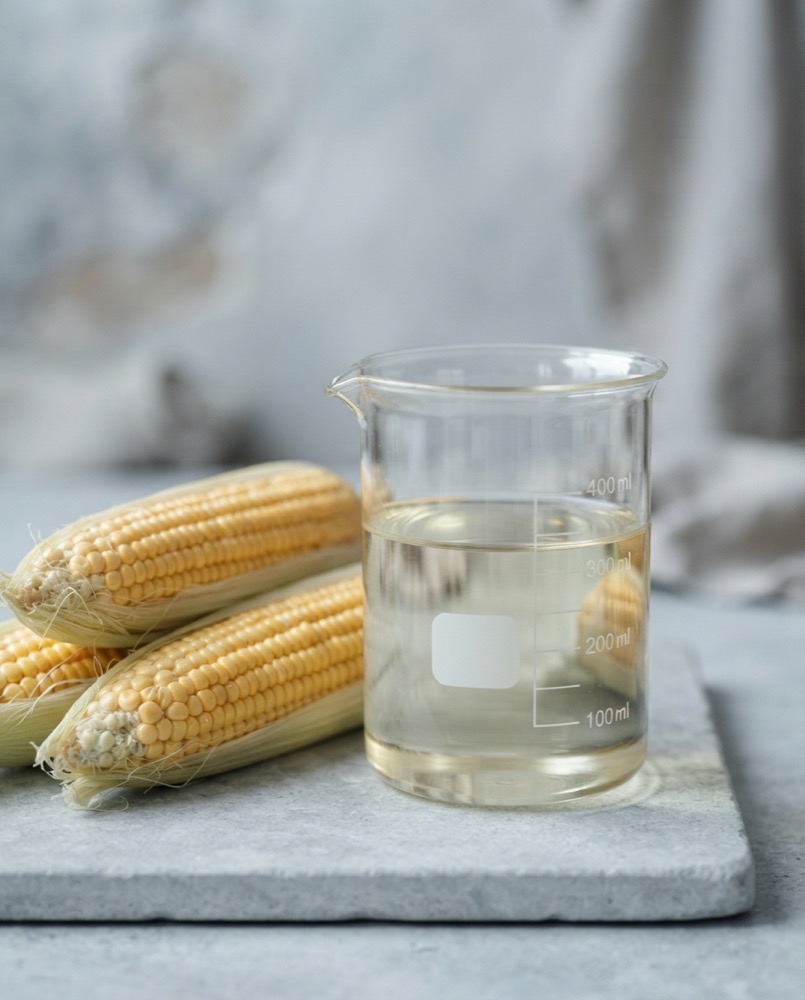
Propanediol – specifically 1,3-propanediol – is a small alcohol produced by fermenting corn sugar. It appears near the top of a great many ingredient lists because it does several unshowy jobs at once.
It is a humectant, a solvent for ingredients that will not dissolve in water alone, a preservative booster, and a texture agent that gives a formula its light, non-tacky slip. It is the plant-derived alternative brands reach for in place of propylene glycol.
What skin concerns does propanediol treat?
As a humectant it draws water into the stratum corneum, relieving dryness and tightness in any skin type. It is lightweight and non-comedogenic, so it suits oily and acne-prone skin as readily as dry.
Its more important function is enabling: it improves how well other actives penetrate and stay dissolved, so the salicylic acid or vitamin C beside it in the formula works better. Research on 1,3-propanediol covers exactly that role.
What ingredients are best paired with propanediol?
It carries and enhances actives across the board – salicylic acid, vitamin C, niacinamide, retinoids – and layers with glycerin and hyaluronic acid for hydration.
It is generally better tolerated than propylene glycol, which is a documented contact allergen, so it is the sensible choice for reactive skin. Seal it with a moisturiser as you would any humectant. Take our Skin Quiz.
What are age spots?
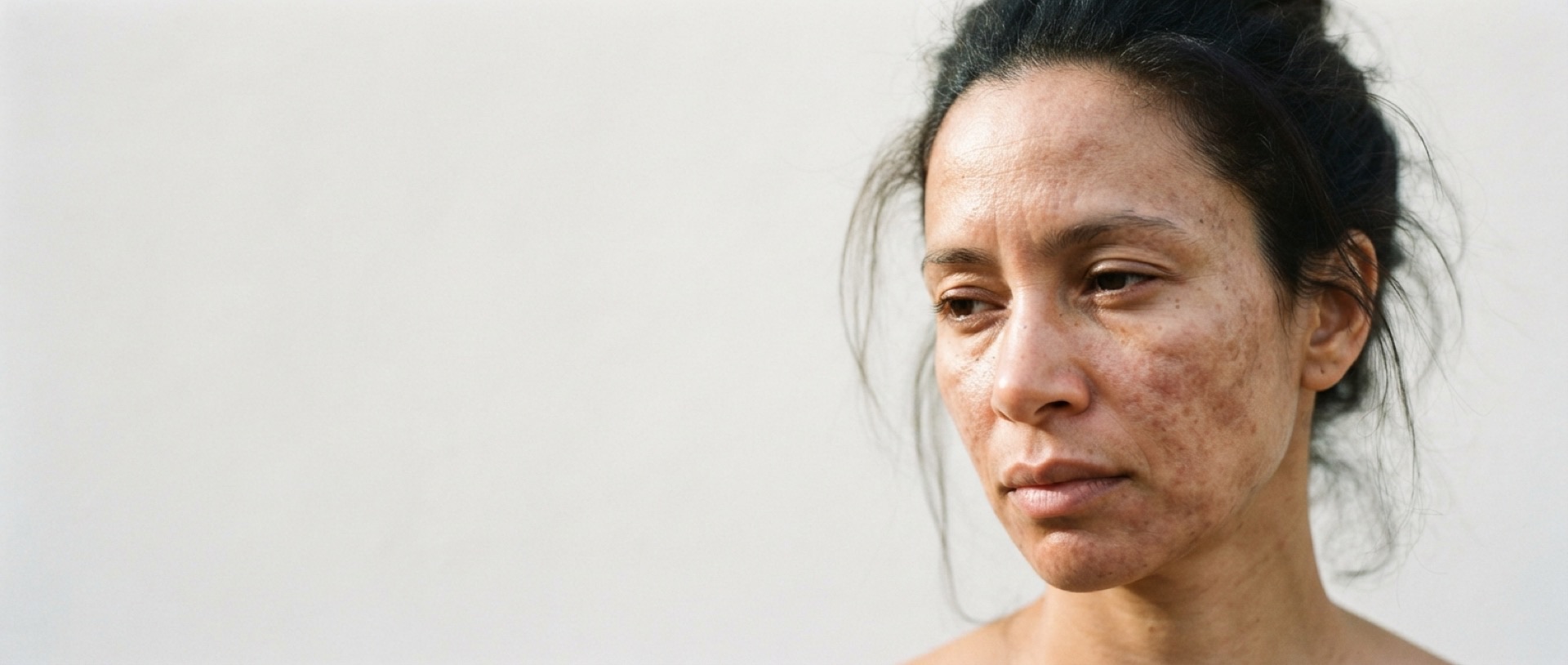
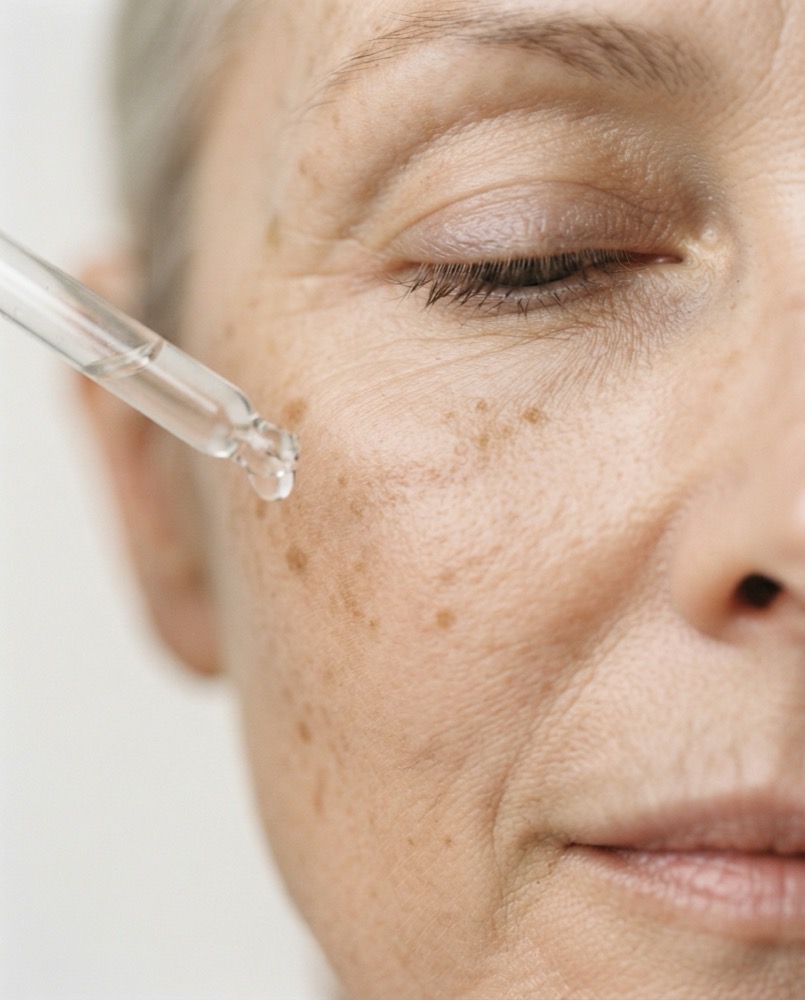
Age spots – known clinically as solar lentigines, and sometimes as liver spots – are flat, well-defined brown or tan patches that appear on skin with the most cumulative sun exposure: the face, backs of the hands, forearms, shoulders and upper chest.
Despite the name, they are not caused by age itself. They are a record of ultraviolet exposure, which is why they are common from the forties onward and why they cluster on areas that rarely get sunscreen.
What causes age spots?
Long-term UV exposure drives melanocytes to over-produce melanin in concentrated spots, and the surrounding keratinocytes stop clearing that pigment efficiently as skin ages.
Fair skin, a history of sunburns, tanning beds and outdoor work all raise the risk. Any new spot that changes shape, colour or size, bleeds or has an irregular border should be checked by a doctor rather than treated cosmetically.
What ingredients are best for age spots?
Topical treatment works but needs patience – expect three to six months. Retinoids speed turnover so pigmented cells shed faster, vitamin C and niacinamide brighten and protect, and alpha arbutin, kojic acid, azelaic acid and liquorice root inhibit new pigment.
Glycolic or lactic acid helps lift existing pigment from the surface. Daily broad-spectrum SPF, including on hands and chest, is what prevents new spots forming. Take our Skin Quiz.