What is phenoxyethanol in skincare?
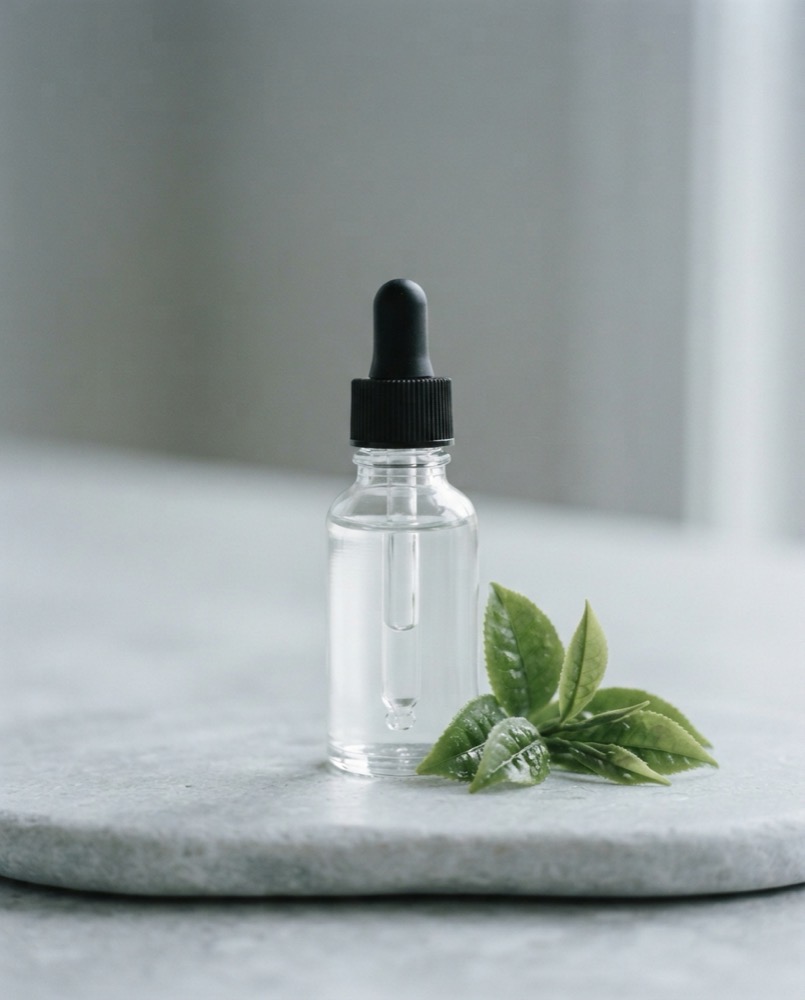
Phenoxyethanol is a glycol ether used as a broad-spectrum preservative. It occurs naturally in green tea and chicory, though the cosmetic grade is synthesised for purity.
Its job is unglamorous but essential: any product containing water will grow bacteria, yeast and mould without one. Phenoxyethanol became the default after parabens fell out of consumer favour, and it now appears in a large share of skincare on the market, capped at 1% in most jurisdictions.
What skin concerns does phenoxyethanol treat?
None – it is not an active. It protects the product rather than the skin, and in doing so protects you from applying a contaminated formula to your face, which is a real infection and irritation risk.
Its safety has been examined repeatedly. A safety review of phenoxyethanol as a cosmetic preservative and the EU Scientific Committee on Consumer Safety opinion both conclude it is safe at the permitted concentration. Allergic contact dermatitis happens but is uncommon.
What ingredients are best paired with phenoxyethanol?
It is usually combined with ethylhexylglycerin, caprylyl glycol or organic acids, which boost its activity and let formulators use less of it.
You do not choose products for their preservative, but it is worth knowing that unpreserved or self-preserving formulas are not automatically safer – they spoil faster and carry their own risk. If you react to it, patch testing with a dermatologist will confirm it before you rule out half the market. Take our Skin Quiz.
What are wrinkles?
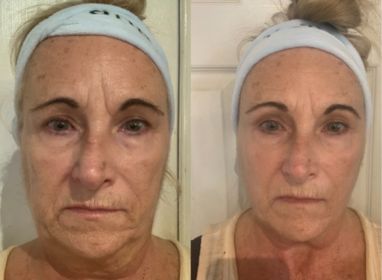
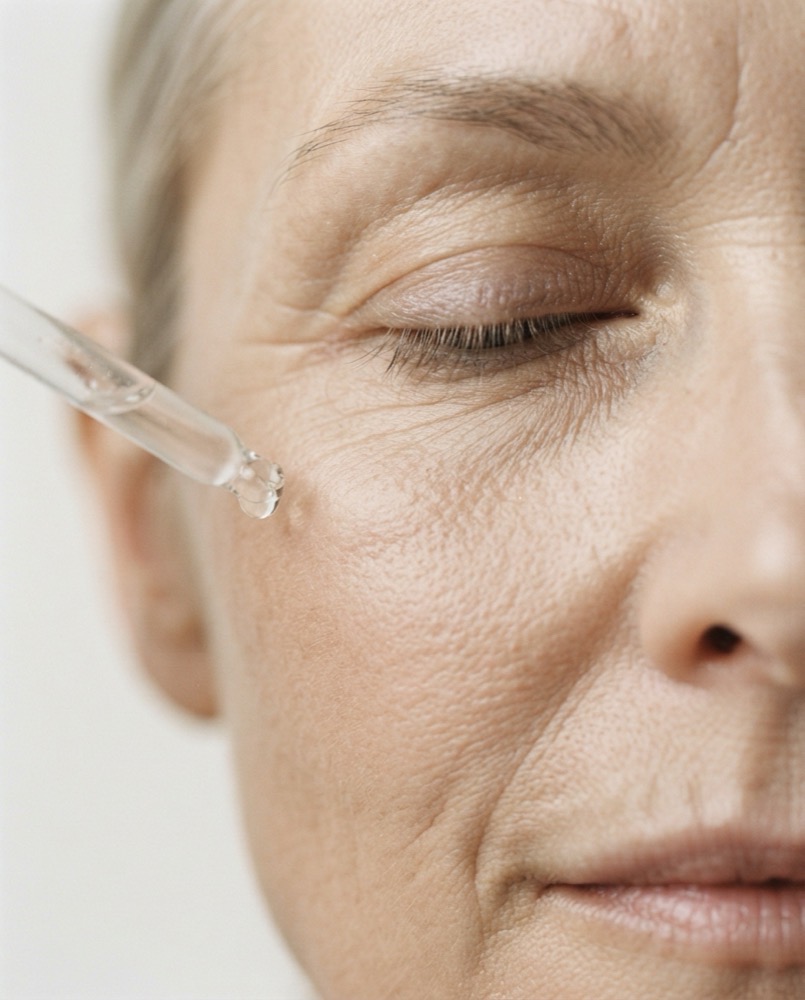
Wrinkles are permanent folds and creases in the skin. They begin as dynamic lines that appear only with expression, then set into static lines visible at rest once the underlying support structure can no longer push them back out.
They form first where skin is thin and movement is constant: crow’s feet, forehead lines, frown lines between the brows, and nasolabial folds. Deeper folds also reflect loss of fat and bone volume, not just skin change.
What causes wrinkles?
Internally, collagen and elastin production declines steadily from the mid-twenties and the dermal matrix thins, so skin loses the scaffolding that keeps it smooth.
Externally, ultraviolet radiation does most of the damage – it activates enzymes that break down collagen and degrades elastic fibres. Smoking, pollution, sugar-driven glycation, poor sleep, sleeping position and repeated facial movement all accelerate the process.
What ingredients are best for wrinkles?
Retinoids have the deepest evidence base for stimulating collagen and measurably reducing wrinkle depth over six to twelve months. Vitamin C supports synthesis while neutralising the free radicals that break it down, and peptides signal repair.
Round it out with hyaluronic acid and ceramides for hydration and barrier strength, niacinamide for elasticity and tone, and AHAs for surface renewal. Daily broad-spectrum SPF is the most effective anti-wrinkle product there is. Take our Skin Quiz.