What is phenoxyethanol in skincare?
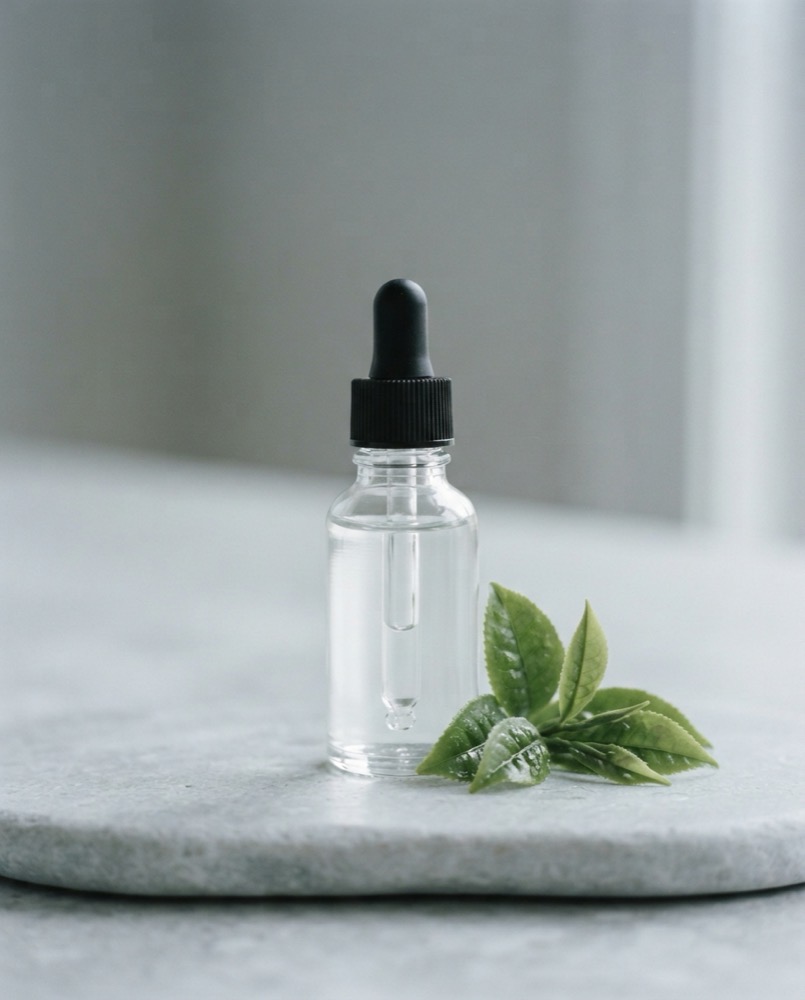
Phenoxyethanol is a glycol ether used as a broad-spectrum preservative. It occurs naturally in green tea and chicory, though the cosmetic grade is synthesised for purity.
Its job is unglamorous but essential: any product containing water will grow bacteria, yeast and mould without one. Phenoxyethanol became the default after parabens fell out of consumer favour, and it now appears in a large share of skincare on the market, capped at 1% in most jurisdictions.
What skin concerns does phenoxyethanol treat?
None – it is not an active. It protects the product rather than the skin, and in doing so protects you from applying a contaminated formula to your face, which is a real infection and irritation risk.
Its safety has been examined repeatedly. A safety review of phenoxyethanol as a cosmetic preservative and the EU Scientific Committee on Consumer Safety opinion both conclude it is safe at the permitted concentration. Allergic contact dermatitis happens but is uncommon.
What ingredients are best paired with phenoxyethanol?
It is usually combined with ethylhexylglycerin, caprylyl glycol or organic acids, which boost its activity and let formulators use less of it.
You do not choose products for their preservative, but it is worth knowing that unpreserved or self-preserving formulas are not automatically safer – they spoil faster and carry their own risk. If you react to it, patch testing with a dermatologist will confirm it before you rule out half the market. Take our Skin Quiz.
What is hormonal acne?
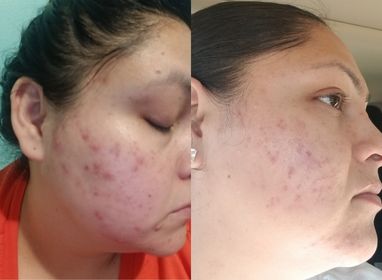
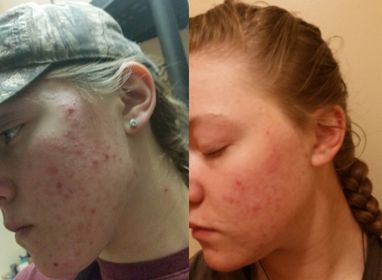
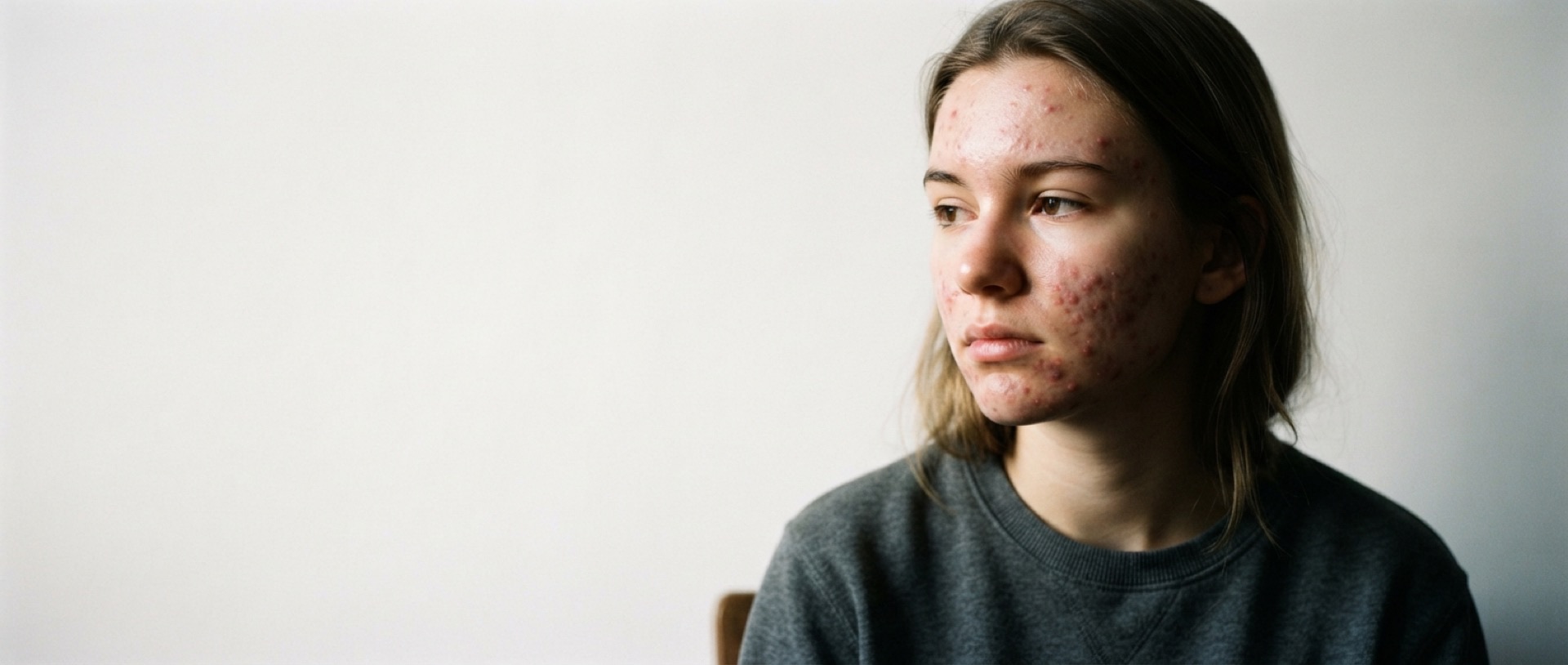
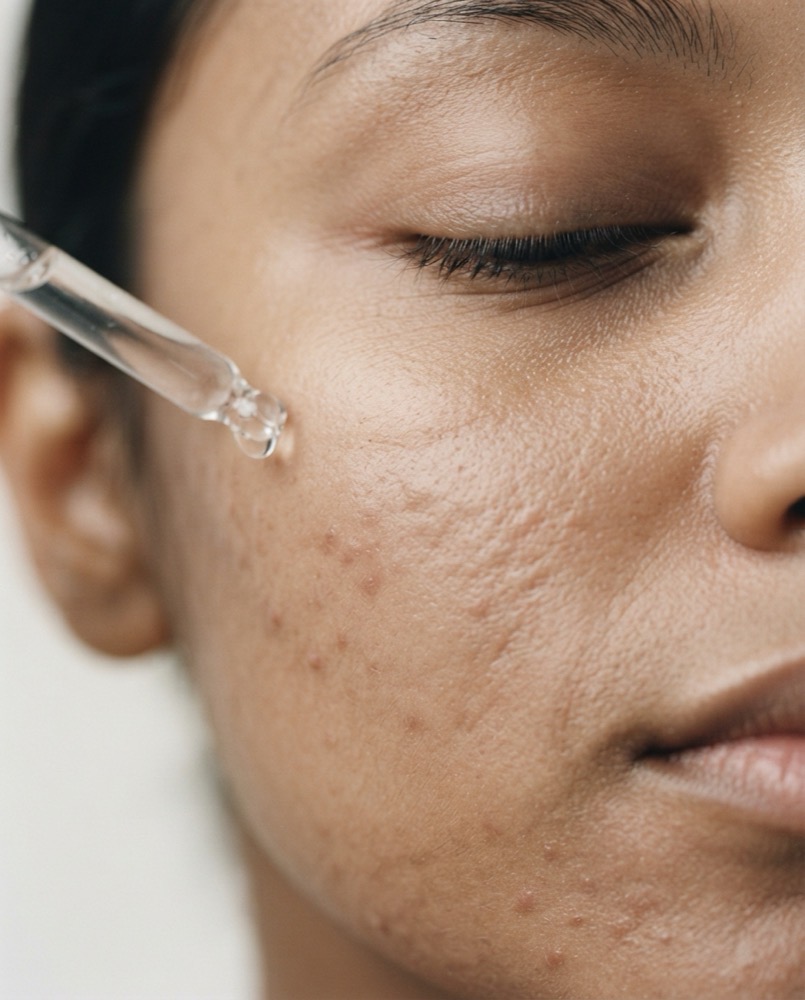
Hormonal acne is acne whose timing and pattern track with hormonal activity rather than with cleansing habits or diet alone. It typically appears along the lower face – jawline, chin and upper neck – as deep, tender papules and cysts that flare on a predictable cycle.
It is most recognisable in adult women, where breakouts often arrive in the week before menstruation and settle again afterwards.
What causes hormonal acne?
Androgens – testosterone and DHT in particular – bind to receptors on the sebaceous gland and increase sebum production. When androgen activity rises or oestrogen falls, oil output climbs and follicles clog more readily.
Menstrual cycles, starting or stopping contraception, pregnancy, perimenopause and PCOS are the usual contexts. Stress raises cortisol, which amplifies the same pathway. Persistent hormonal acne with irregular cycles or excess hair growth is worth investigating medically.
What ingredients are best for hormonal acne?
Retinoids are the most effective topical, because they stop the plug forming regardless of how much oil is being produced. Azelaic acid reduces inflammation and the marks that follow, and niacinamide helps regulate sebum.
Salicylic acid keeps pores clear between flares, and benzoyl peroxide targets bacteria in inflamed lesions. Because hormonal acne is driven from the inside, topicals manage rather than cure it – consistency across the whole cycle beats spot-treating during a flare. Take our Skin Quiz.