

What is olive oil in skincare?
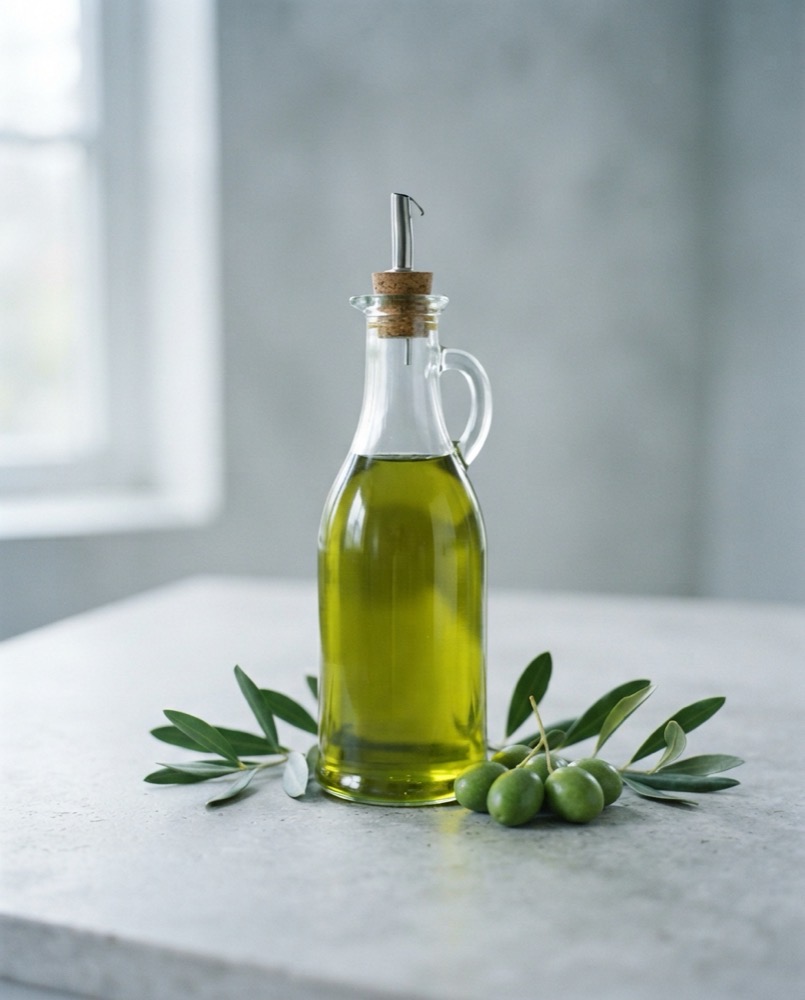
Olive oil is pressed from the fruit of Olea europaea and has been used on skin for thousands of years. It is roughly 70% oleic acid, a monounsaturated fatty acid, with smaller amounts of linoleic acid, squalene and polyphenols such as hydroxytyrosol.
That fatty acid profile matters. Oleic-dominant oils are rich and occlusive but, as comparative research on plant oils shows, they can also disrupt the skin barrier rather than repair it – the opposite of what linoleic-rich oils do.
What skin concerns does olive oil treat?
On intact, dry body skin it is an effective emollient and a serviceable makeup remover, and its polyphenols and squalene contribute antioxidant activity.
It is a poor choice for the face if you are acne-prone, since it is comedogenic, and studies have found repeated topical olive oil increases water loss through the barrier rather than reducing it. It is specifically not recommended on infant skin or on eczema.
What ingredients are best paired with olive oil?
If you use it, use it on the body, over hydrated skin, and alongside ceramides and glycerin rather than on its own.
For facial use, linoleic-rich oils – sunflower, grapeseed, rosehip, hemp seed – or non-comedogenic squalane and jojoba do the same job without the barrier penalty. Squalane is in fact derived from olives, and delivers olive oil’s best component without its drawbacks. Take our Skin Quiz.
What is cystic acne?
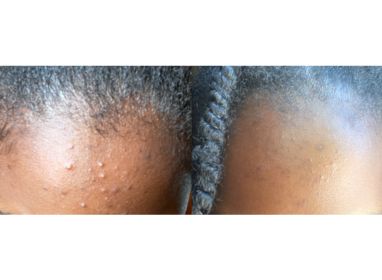
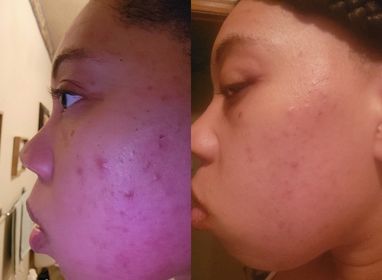
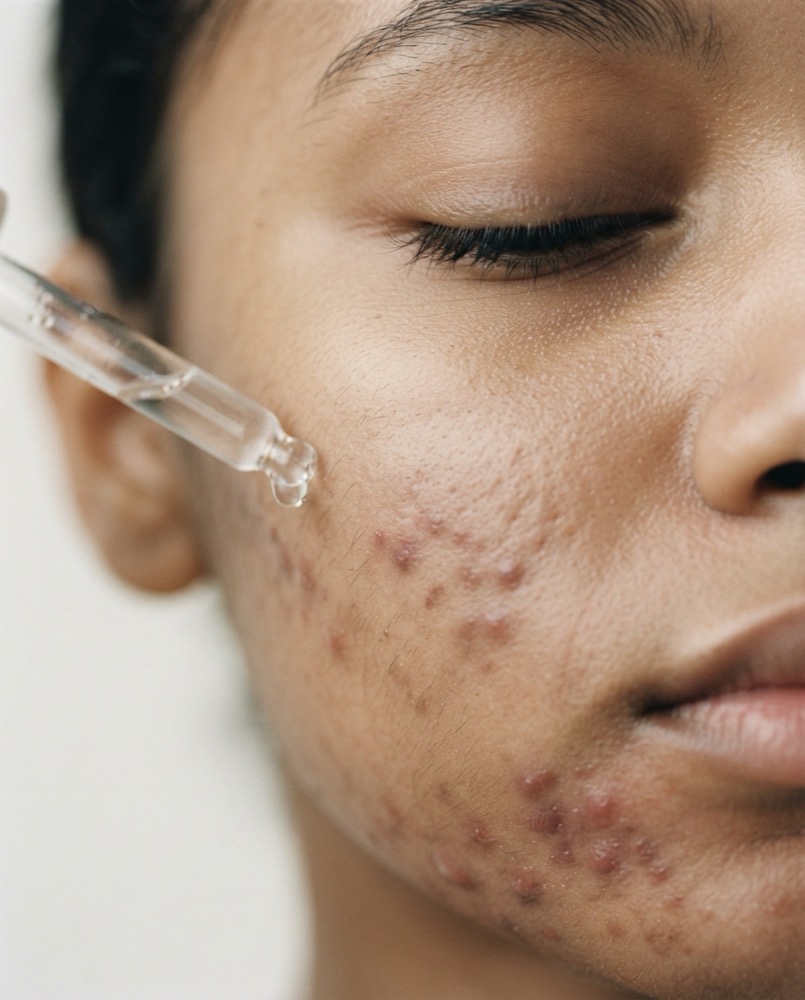
Cystic acne is the most severe form of inflammatory acne. Instead of surface pimples, it produces deep, tender nodules and fluid-filled cysts that sit under the skin, often without ever coming to a head.
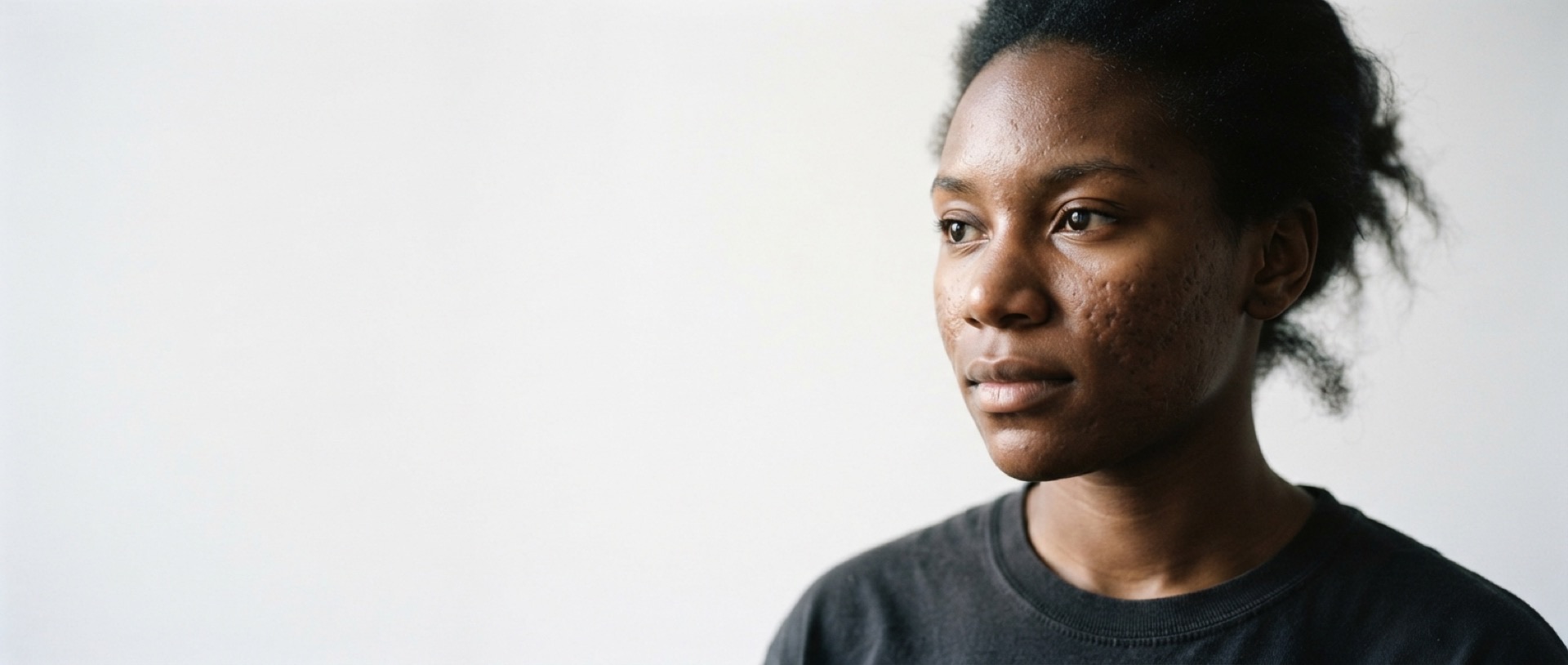
It happens when a blocked follicle ruptures deep in the dermis and spills sebum, keratin and bacteria into surrounding tissue, triggering a strong immune inflammatory response. Because the damage is deep, cystic acne is the type most likely to scar.
What causes cystic acne?
The same four factors behind all acne, amplified: excess sebum, abnormal shedding inside the follicle, overgrowth of Cutibacterium acnes, and inflammation. Androgens drive sebum production, which is why cystic acne often tracks with hormonal cycles, PCOS or puberty.
Genetics strongly influence severity, and stress, high-glycaemic diets, occlusive products and picking at lesions all make it worse. Squeezing a cyst pushes the contents deeper and reliably increases scarring.
What ingredients are best for cystic acne?
Cystic acne genuinely warrants a dermatologist – oral treatment is often needed. Alongside that, topical retinoids are the most useful over-the-counter active, because they work on the plug before it ruptures.
Benzoyl peroxide reduces bacterial load, azelaic acid calms inflammation and post-acne marks, and niacinamide helps redness without irritation. Keep the rest of the routine gentle and barrier-focused – harsh scrubs and drying alcohol make deep lesions angrier. Take our Skin Quiz.