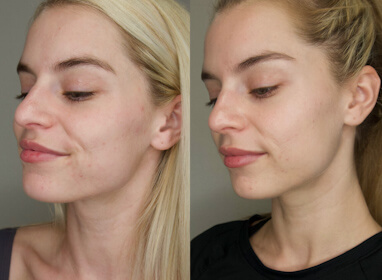
What is oatmeal in skincare?
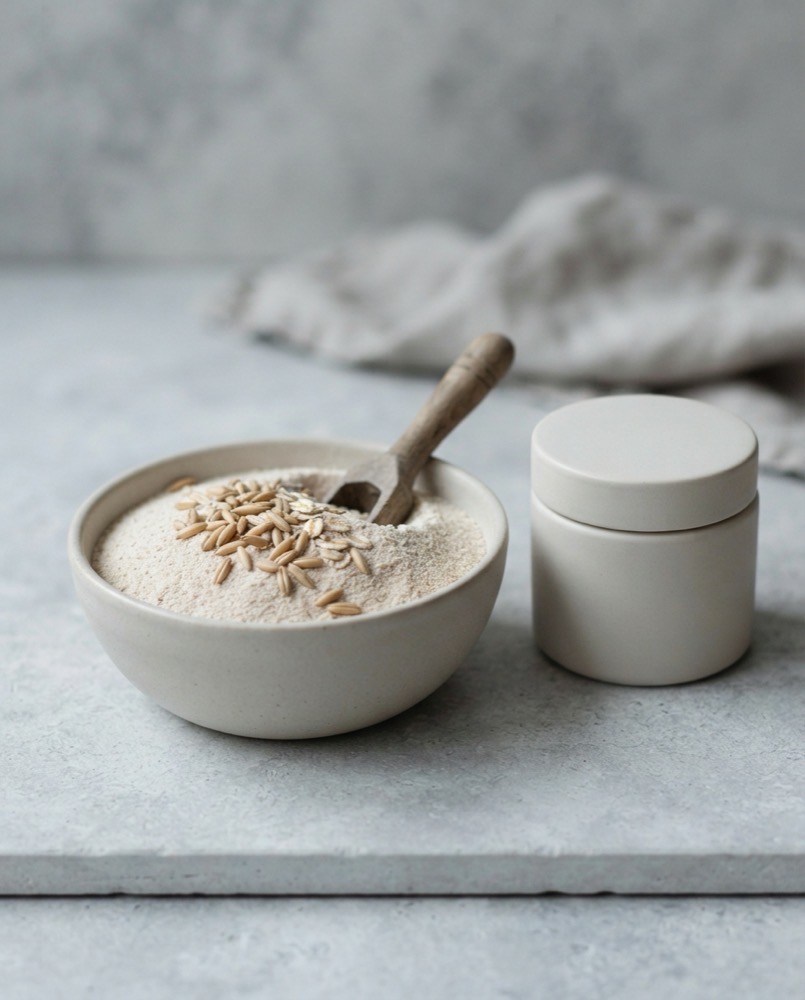
Oatmeal – most often used in skincare as finely milled colloidal oatmeal – is ground oat grain that disperses in water and forms a soft, protective film on the skin. It is rich in beta-glucans, lipids, saponins and avenanthramides, a group of polyphenols with well-documented anti-inflammatory and antioxidant activity. That mix lets oatmeal act as a gentle cleanser, an emollient and a barrier-repair agent all at once, which is why it turns up in everything from homemade face masks to prescription-strength eczema creams.
What skin concerns does oatmeal treat?
Oatmeal is best known for calming dry, itchy and reactive skin. Colloidal oatmeal measurably reduces redness and inflammation, and it is one of very few ingredients recognised for relieving eczema flare-ups, contact dermatitis, hives, bug bites and sunburn.
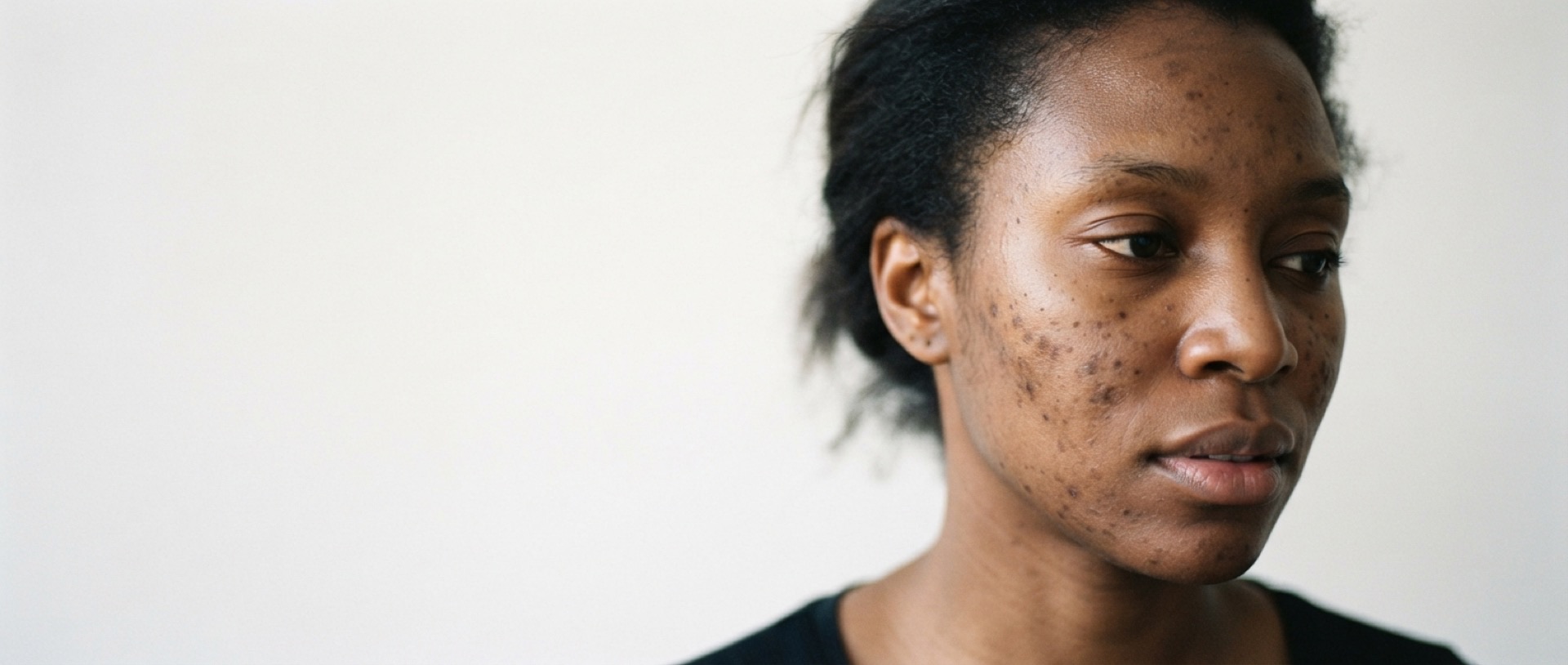
Ground oatmeal also works as a mild physical exfoliant, lifting dead cells, dirt and excess oil without the micro-tears that harsher scrubs can cause – useful for acne-prone and combination skin that cannot tolerate strong actives. Its antioxidant content adds a preventative benefit, protecting the skin from the free-radical damage that drives premature ageing.
What ingredients are best paired with oatmeal?
Oatmeal performs best alongside hydrating and barrier-repairing ingredients. Pair it with ceramides, hyaluronic acid, glycerin, squalane, shea butter, niacinamide and panthenol (vitamin B5) to maximise moisture retention, reduce redness and strengthen the skin’s protective lipid barrier.
Keep it out of the same routine step as strong acids or high-strength retinoids – oatmeal’s value is in soothing rather than resurfacing. Not sure how much oatmeal your skin actually needs? Take our Skin Quiz and get a formula built around your skin.
What is redness?
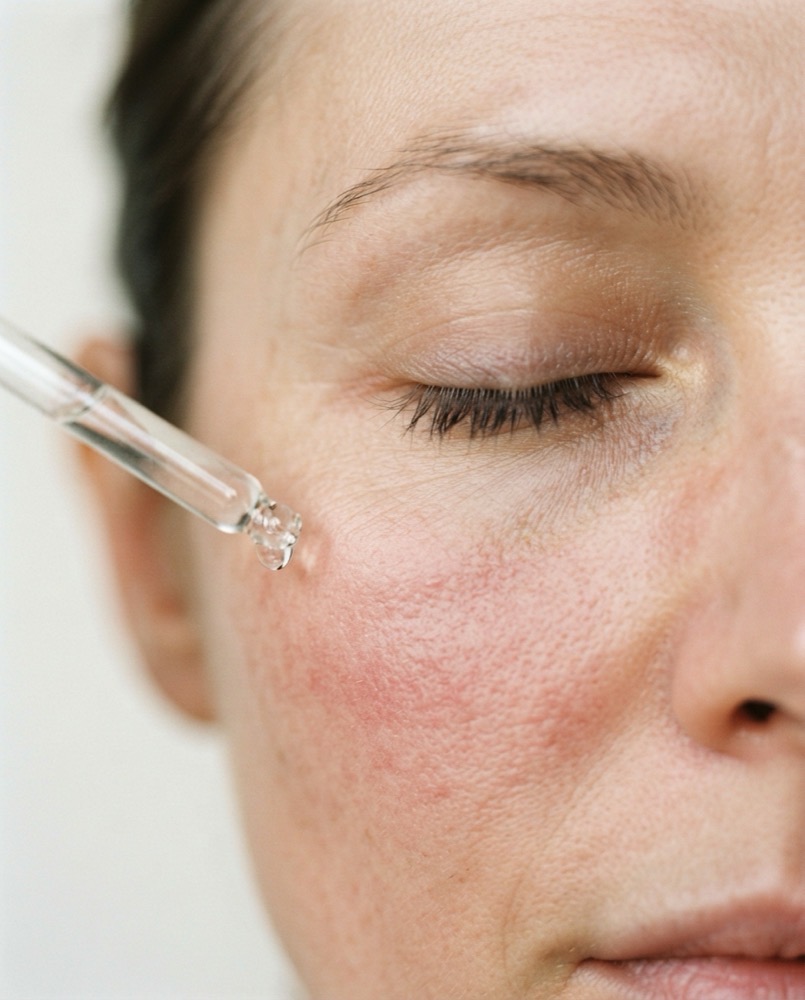
Facial redness is visible dilation of the small blood vessels near the skin’s surface. It ranges from transient flushing that comes and goes, to persistent erythema across the cheeks and nose, to fixed thread veins that stay visible all the time.
Redness is a symptom rather than a diagnosis. It can signal rosacea, irritation, an over-exfoliated barrier, eczema, an allergic reaction or simply reactive skin that responds strongly to heat and stress.
What causes redness?
Most persistent redness traces back to a compromised barrier and heightened nerve sensitivity. When the barrier thins, irritants penetrate more easily and the skin mounts an inflammatory response to things it would normally tolerate.
Common aggravators: over-exfoliation, high-strength actives used too often, fragrance and essential oils, hot water, alcohol, spicy food, sudden temperature change, sun exposure and stress. Trying to treat redness with more actives usually deepens it.
What ingredients are best for redness?
Prioritise calming and rebuilding over correcting. Niacinamide, azelaic acid, centella asiatica, green tea extract, liquorice root, allantoin, bisabolol and colloidal oatmeal all reduce visible inflammation.
Then repair the barrier with ceramides, cholesterol, fatty acids, glycerin, panthenol and squalane, and protect it with a gentle mineral SPF. Strip the routine back to cleanser, moisturiser and sunscreen for a few weeks before reintroducing anything active. Take our Skin Quiz.