

What is oatmeal in skincare?
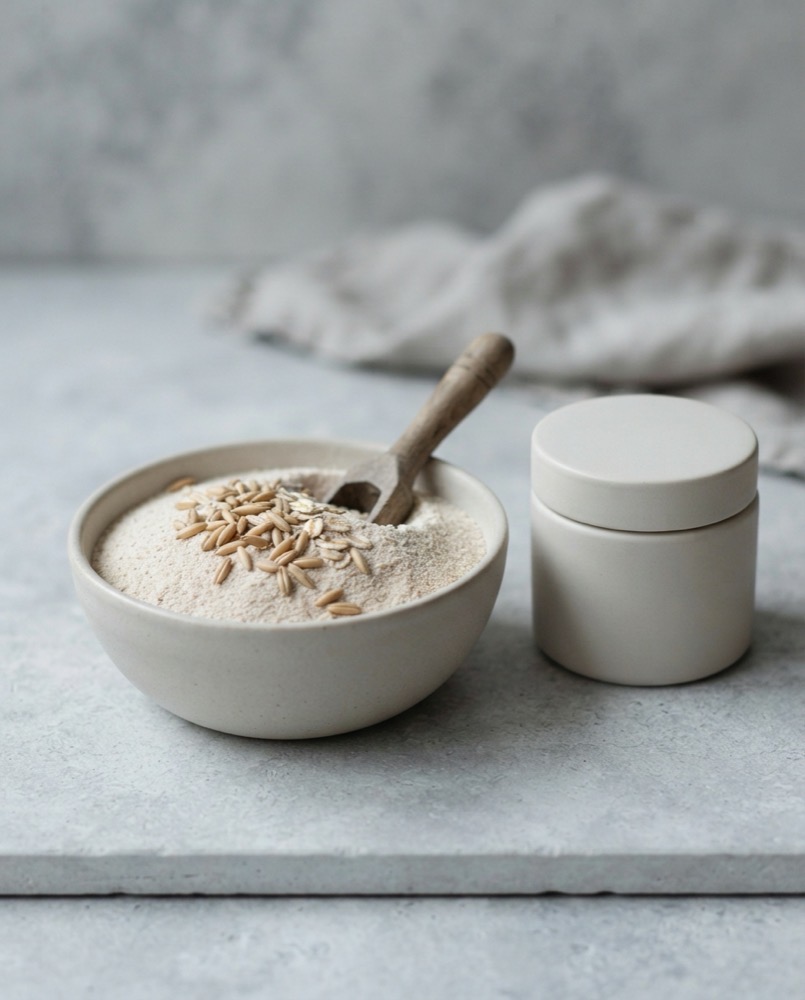
Oatmeal – most often used in skincare as finely milled colloidal oatmeal – is ground oat grain that disperses in water and forms a soft, protective film on the skin. It is rich in beta-glucans, lipids, saponins and avenanthramides, a group of polyphenols with well-documented anti-inflammatory and antioxidant activity. That mix lets oatmeal act as a gentle cleanser, an emollient and a barrier-repair agent all at once, which is why it turns up in everything from homemade face masks to prescription-strength eczema creams.
What skin concerns does oatmeal treat?
Oatmeal is best known for calming dry, itchy and reactive skin. Colloidal oatmeal measurably reduces redness and inflammation, and it is one of very few ingredients recognised for relieving eczema flare-ups, contact dermatitis, hives, bug bites and sunburn.
Ground oatmeal also works as a mild physical exfoliant, lifting dead cells, dirt and excess oil without the micro-tears that harsher scrubs can cause – useful for acne-prone and combination skin that cannot tolerate strong actives. Its antioxidant content adds a preventative benefit, protecting the skin from the free-radical damage that drives premature ageing.
What ingredients are best paired with oatmeal?
Oatmeal performs best alongside hydrating and barrier-repairing ingredients. Pair it with ceramides, hyaluronic acid, glycerin, squalane, shea butter, niacinamide and panthenol (vitamin B5) to maximise moisture retention, reduce redness and strengthen the skin’s protective lipid barrier.
Keep it out of the same routine step as strong acids or high-strength retinoids – oatmeal’s value is in soothing rather than resurfacing. Not sure how much oatmeal your skin actually needs? Take our Skin Quiz and get a formula built around your skin.
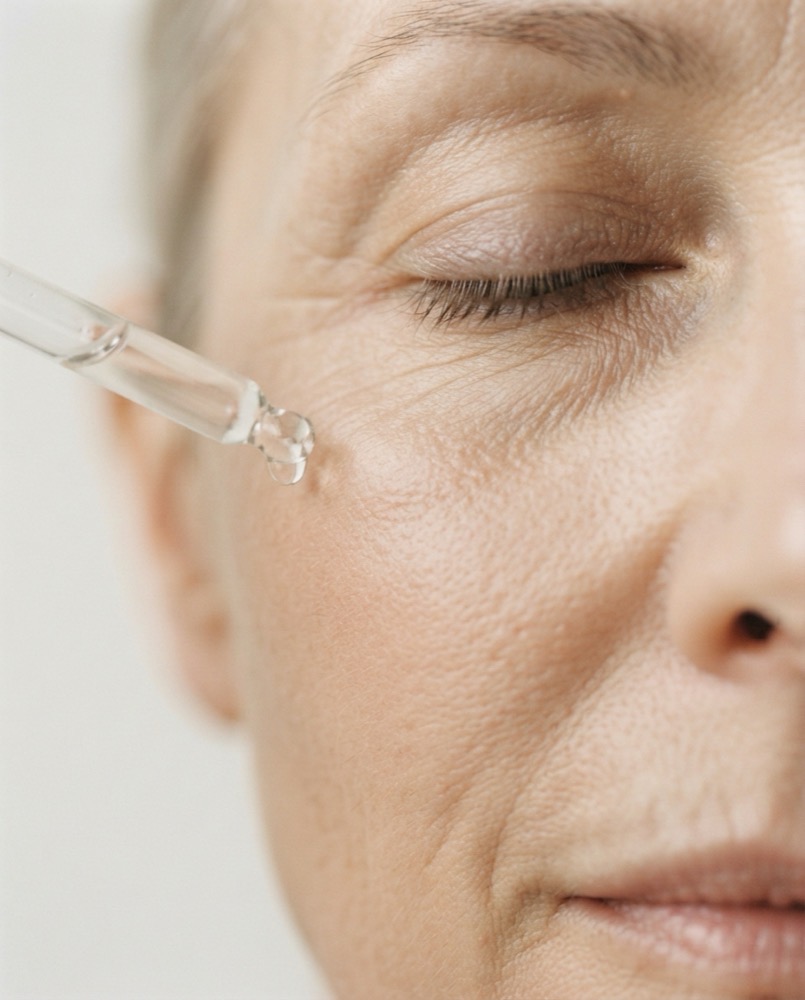
What is crepey skin?
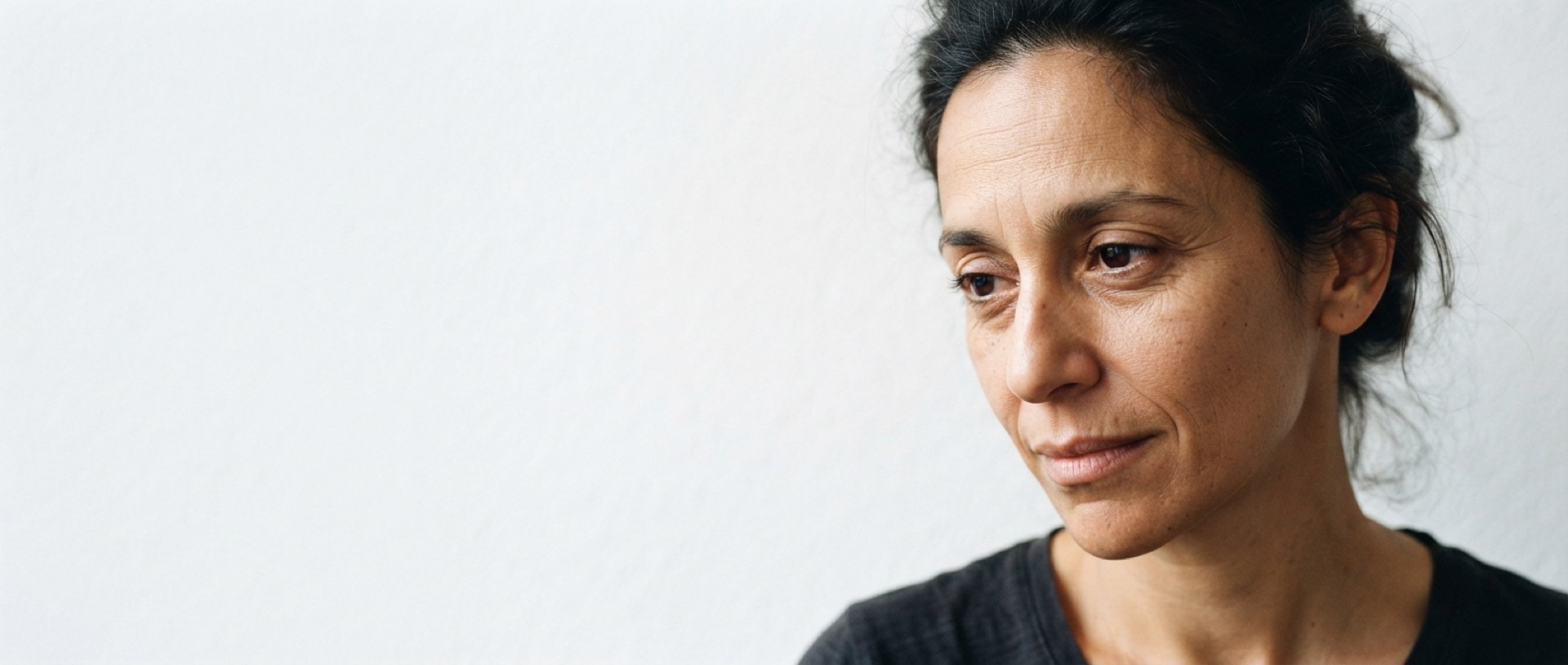
Crepey skin is skin that has become thin, loose and finely wrinkled, with the papery texture of crepe paper. It differs from ordinary wrinkles in that it affects a broad area rather than forming distinct lines, and it appears most on the under-eyes, neck, décolletage, upper arms and inner thighs.
The hallmark is loss of elasticity: pinched skin takes longer to snap back, and the surface looks crinkled even at rest.
What causes crepey skin?
The main driver is degradation of the elastin network in the dermis. Cumulative ultraviolet exposure breaks down elastic fibres and replaces them with disorganised material – the process called solar elastosis – while collagen production falls at the same time.
Age, chronic dehydration, significant weight loss, smoking, and the natural drop in oestrogen around menopause all accelerate it. Body areas get less skincare attention than the face, which is why crepiness often shows there first.
What ingredients are best for crepey skin?
Retinoids remain the best-evidenced option for rebuilding collagen and thickening the dermis over months of use. Peptides support elastin and collagen signalling, and vitamin C protects existing fibres while aiding synthesis.
Layer those over rich hydration – hyaluronic acid, glycerin, ceramides, squalane and shea butter – which visibly improves the crinkled look even before structural change happens. Daily SPF on neck, chest and hands prevents further breakdown. Take our Skin Quiz.