What is marula oil in skincare?
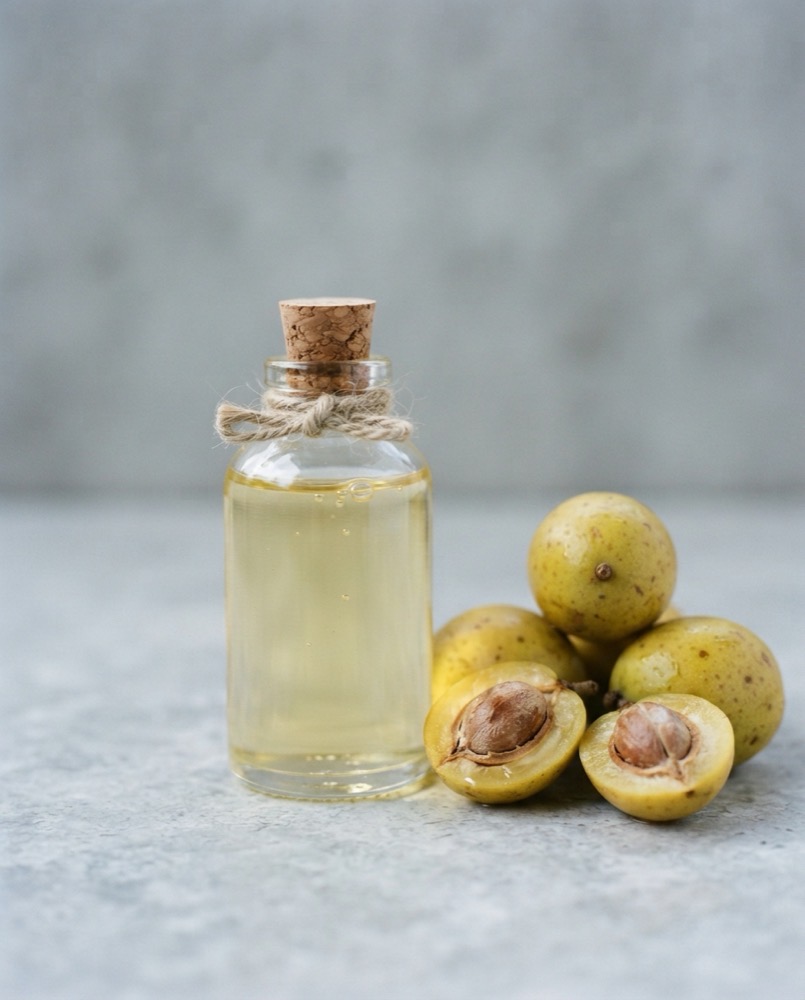
Marula oil is cold-pressed from the kernels of the marula fruit, native to southern Africa. It is a light, fast-absorbing oil that is very high in oleic acid – often 70 to 80% – with vitamin E, phenolic antioxidants and amino acids.
Despite being oleic-dominant it has an unusually light skin feel, and its high antioxidant content makes it exceptionally resistant to oxidation compared with most plant oils.
What skin concerns does marula oil treat?
It hydrates and softens dry, dehydrated and mature skin, improves suppleness, and reduces the tightness that comes with a depleted barrier. Its antioxidants support skin against environmental and inflammatory stress.
It is often used on the face, body, cuticles and hair ends, and is popular for stretch marks. Because it is high in oleic acid it is better suited to normal, dry and mature skin than to congested, oily skin.
What ingredients are best paired with marula oil?
Apply it over a hydrating serum – hyaluronic acid, glycerin or niacinamide – so it seals moisture in, and combine it with ceramides for barrier repair.
It also works well as a final step over a retinoid to reduce flaking. Its stability means it keeps longer than lighter oils like grapeseed or rosehip without refrigeration. Take our Skin Quiz.
What is bumpy skin?
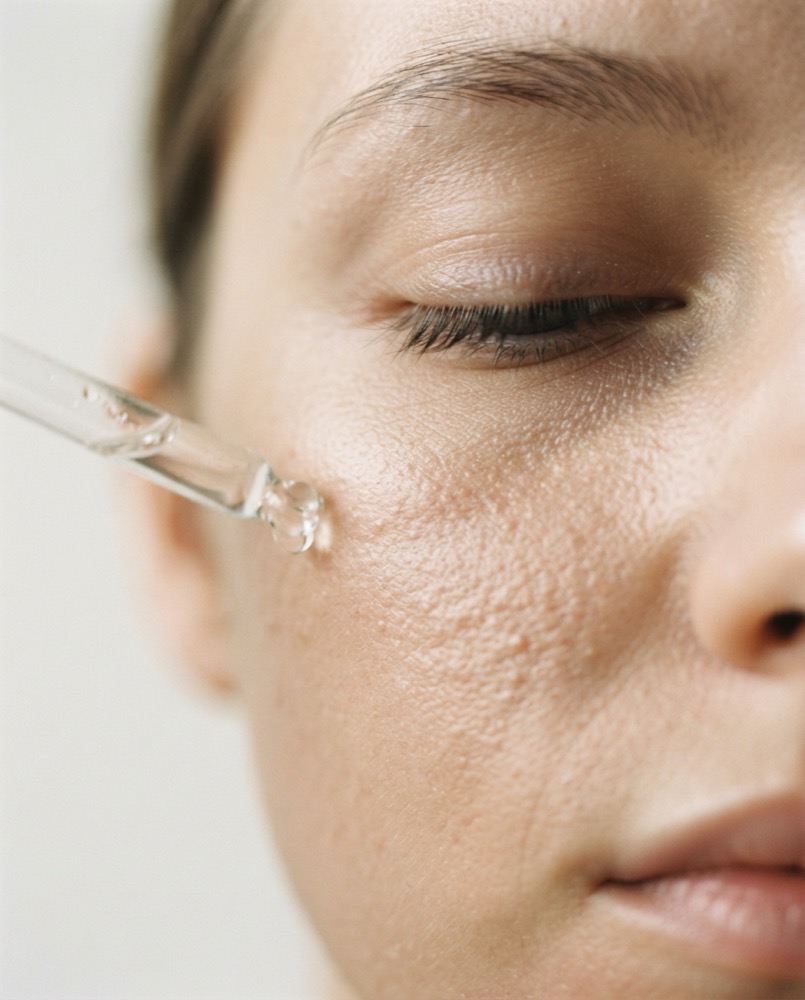
Bumpy skin is a texture problem rather than a single condition. It covers the rough, uneven surface you can feel more than see – most often keratosis pilaris (small hard bumps on the upper arms, thighs and cheeks), closed comedones, milia, or simple build-up of dead cells on the surface.
Keratosis pilaris in particular affects a large share of the population and is harmless, but it makes skin feel like sandpaper and can be stubborn to smooth out.
What causes bumpy skin?
Most bumpy texture comes from keratin plugging the follicle. When dead cells fail to shed cleanly, they collect at the pore opening and form a firm bump – a process closely linked to a weakened permeability barrier and low skin hydration.
Genetics, dry skin, cold weather, eczema and a history of over-scrubbing all make it worse. Aggressive physical exfoliation tends to backfire, inflaming the follicle and thickening the plug.
What ingredients are best for bumpy skin?
Chemical exfoliation works far better than scrubbing. Salicylic acid clears inside the follicle, lactic and glycolic acid loosen surface build-up, and urea both exfoliates and hydrates.
Retinoids normalise how skin sheds over time, while ceramides, niacinamide and hyaluronic acid keep the barrier strong so the plugs stop reforming. Consistency matters more than strength here. Take our Skin Quiz to work out which exfoliant your skin can tolerate.