What is lemon in skincare?
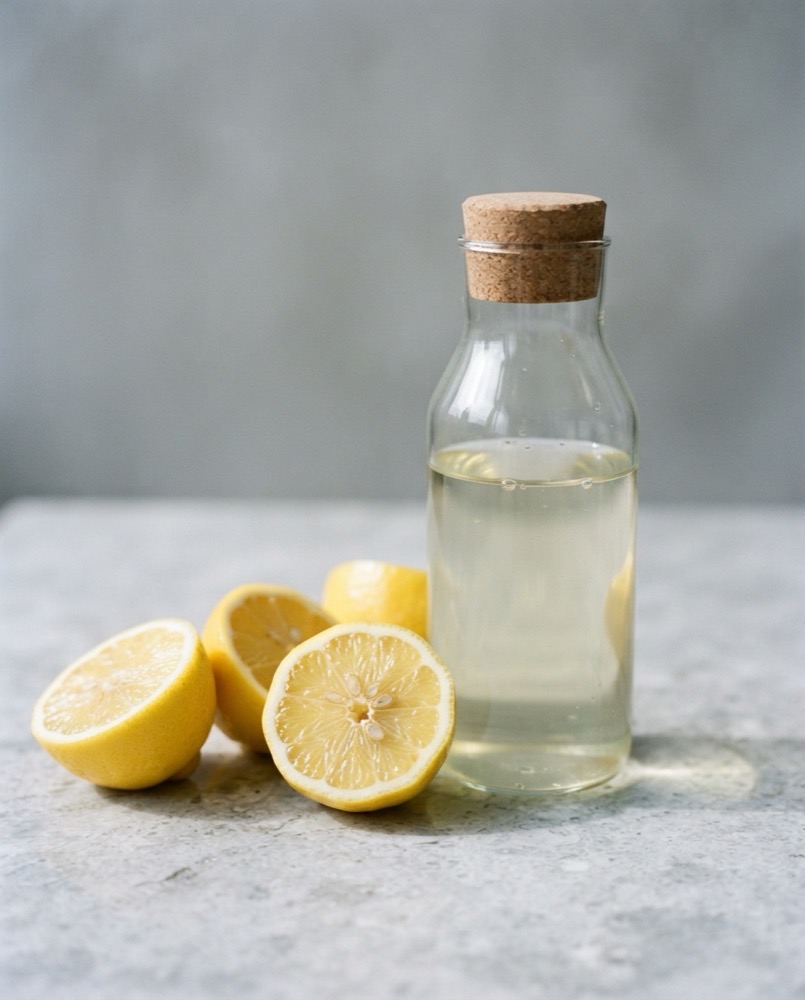
Lemon is the fruit of Citrus limon. Its juice is strongly acidic, with a pH around 2, and contains citric acid, vitamin C and a group of compounds called furocoumarins – the last of which is the problem.
Lemon has a long folk history as a skin lightener and acne treatment, which is why it still appears in home remedies. Modern dermatology takes a much dimmer view, and the reason is well documented.
What skin concerns does lemon treat?
The claimed uses are brightening dark spots, drying out blemishes and exfoliating. Citric acid is a real AHA and the vitamin C content is real, so the logic is not baseless – but the delivery is uncontrolled and the collateral damage is significant.
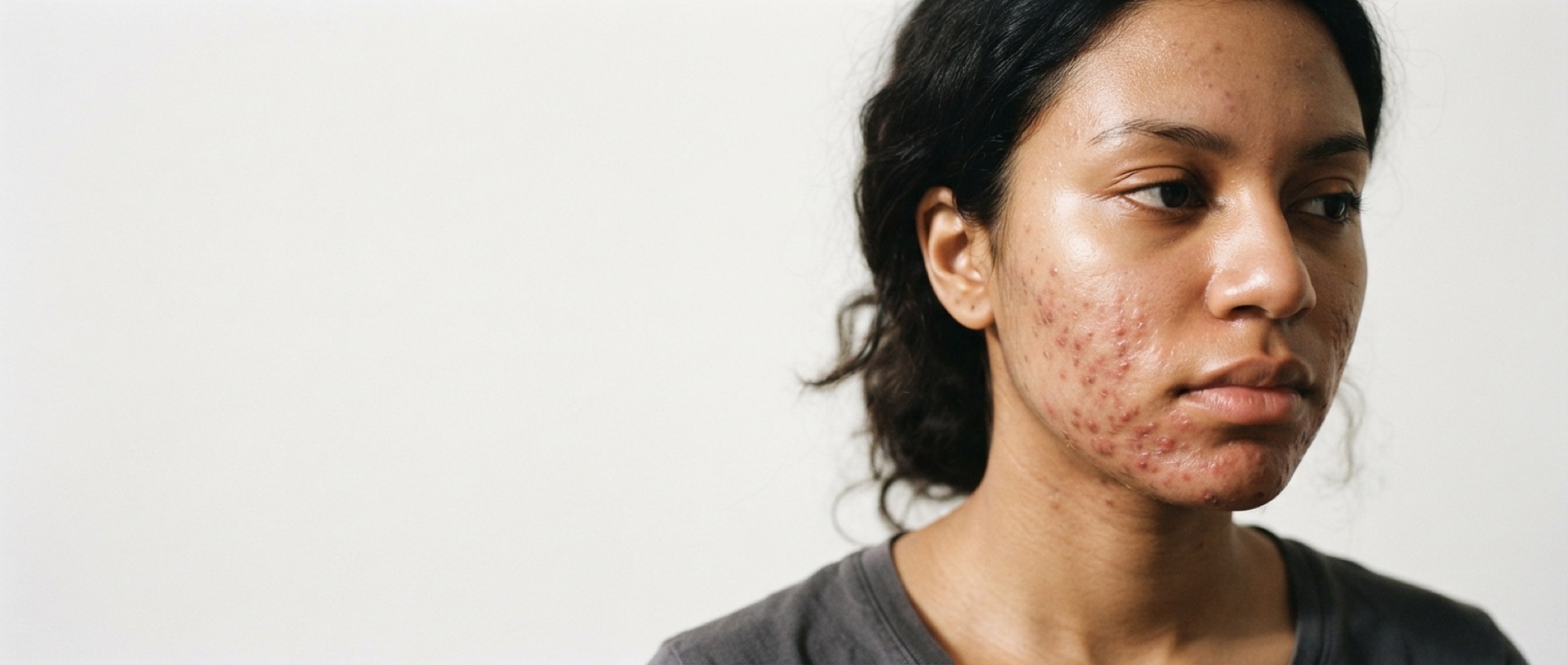
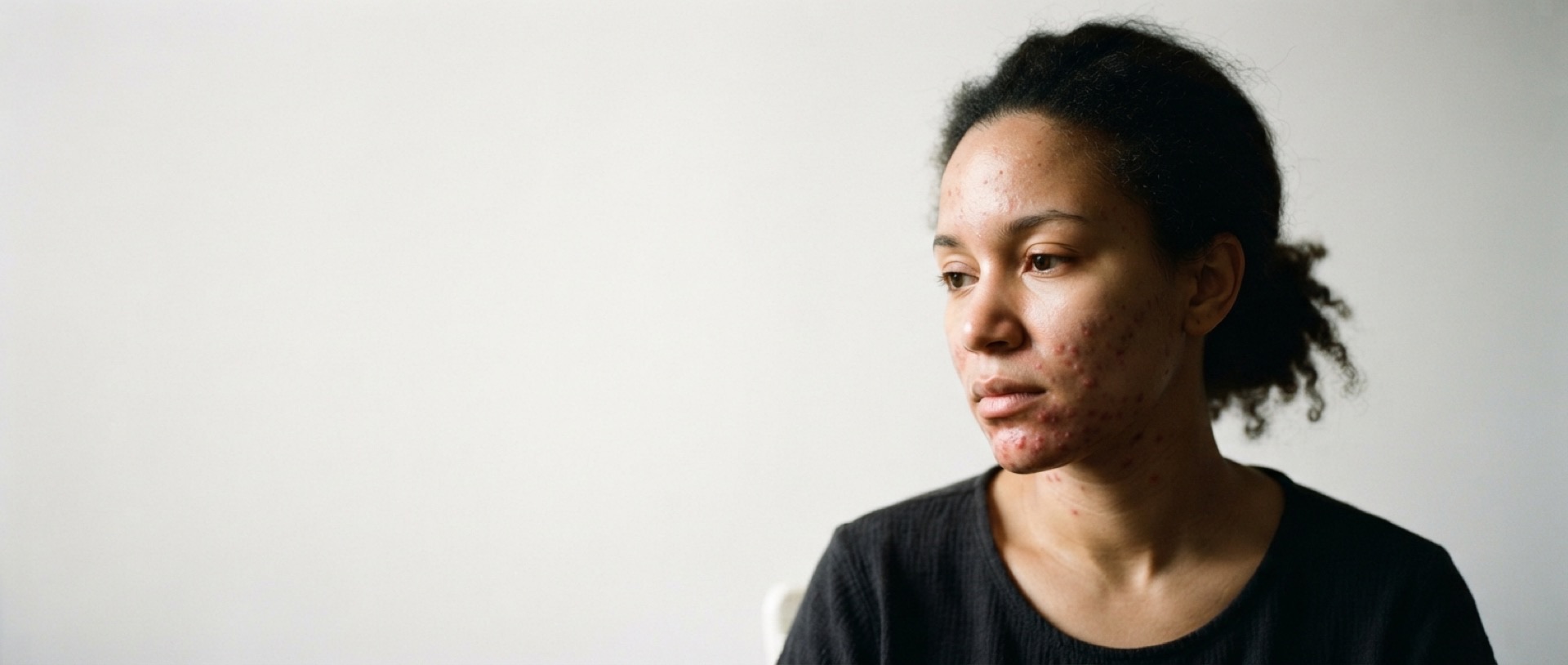
Furocoumarins in citrus juice cause phytophotodermatitis: a phototoxic reaction producing burns, blisters and long-lasting brown staining when treated skin meets sunlight. Ironically, the most common result of using lemon for dark spots is more pigmentation, not less.
What ingredients are best paired with lemon?
The honest answer is to leave lemon juice out of skincare altogether. Its pH is far outside what skin tolerates, and it strips the acid mantle while creating a photosensitivity risk.
For everything lemon is reached for there is a better-controlled option: vitamin C, niacinamide, alpha arbutin or azelaic acid for brightening; glycolic or lactic acid for exfoliation; salicylic acid for blemishes. All work at a skin-safe pH and none will burn you in the sun. Take our Skin Quiz.
What is melasma?
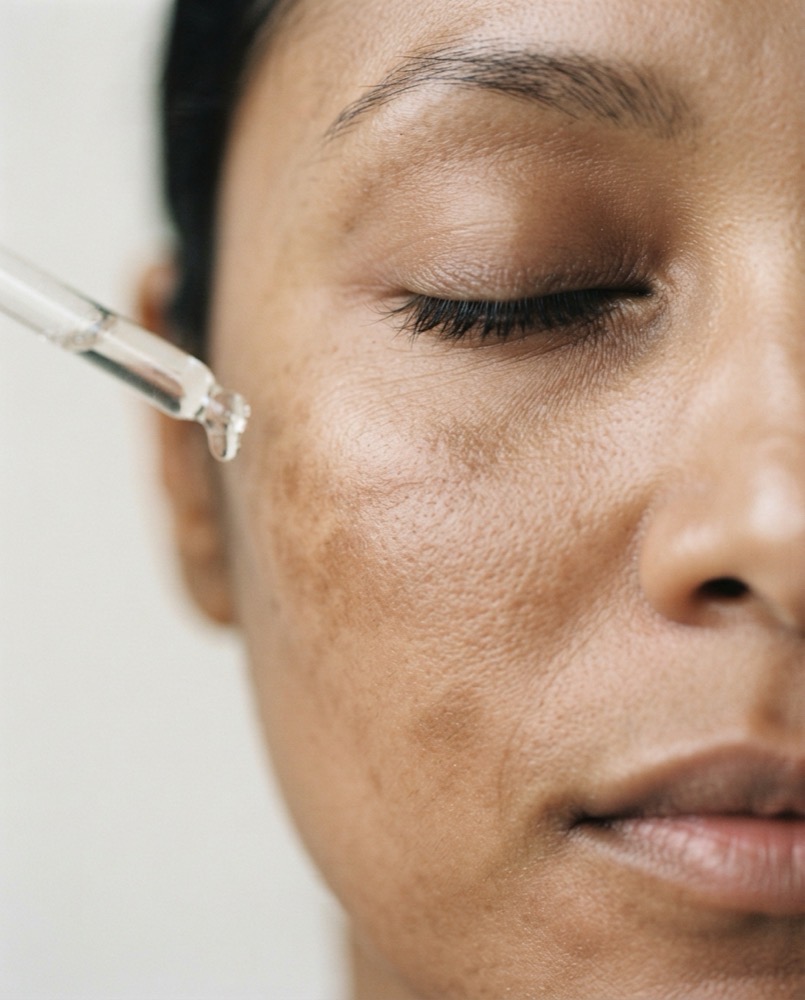
Melasma is a common form of acquired hyperpigmentation that appears as symmetrical brown or greyish-brown patches, most often across the cheeks, forehead, upper lip and jawline. It develops when melanocytes – the pigment-producing cells in the skin – become overactive and deposit excess melanin into the epidermis, the dermis, or both.
It is far more common in women and in medium to deeper skin tones, and it behaves as a chronic, relapsing condition rather than a one-off mark – which is why management matters as much as treatment.
What causes melasma?
Three triggers dominate: ultraviolet and visible light exposure, hormonal change (pregnancy, oral contraceptives and hormone therapy – hence its nickname, the mask of pregnancy), and genetic predisposition.
Heat, visible light from sunlight and screens, inflammation from harsh products or aggressive procedures, and certain medications all make existing patches worse. Because the triggers are ongoing, melasma typically fades and returns rather than clearing permanently.
What ingredients are best for melasma?
Daily broad-spectrum sunscreen is non-negotiable, and a tinted mineral SPF containing iron oxides is best because it also screens the visible light that drives pigment production.
On top of that, the most evidence-backed actives are tranexamic acid, azelaic acid, niacinamide, vitamin C, alpha arbutin, kojic acid, liquorice root extract, retinoids and gentle alpha-hydroxy acids. Avoid harsh scrubs and strong heat, both of which can rebound the pigment. Take our Skin Quiz to build a routine around your skin tone and triggers.