

What is azelaic acid in skincare?
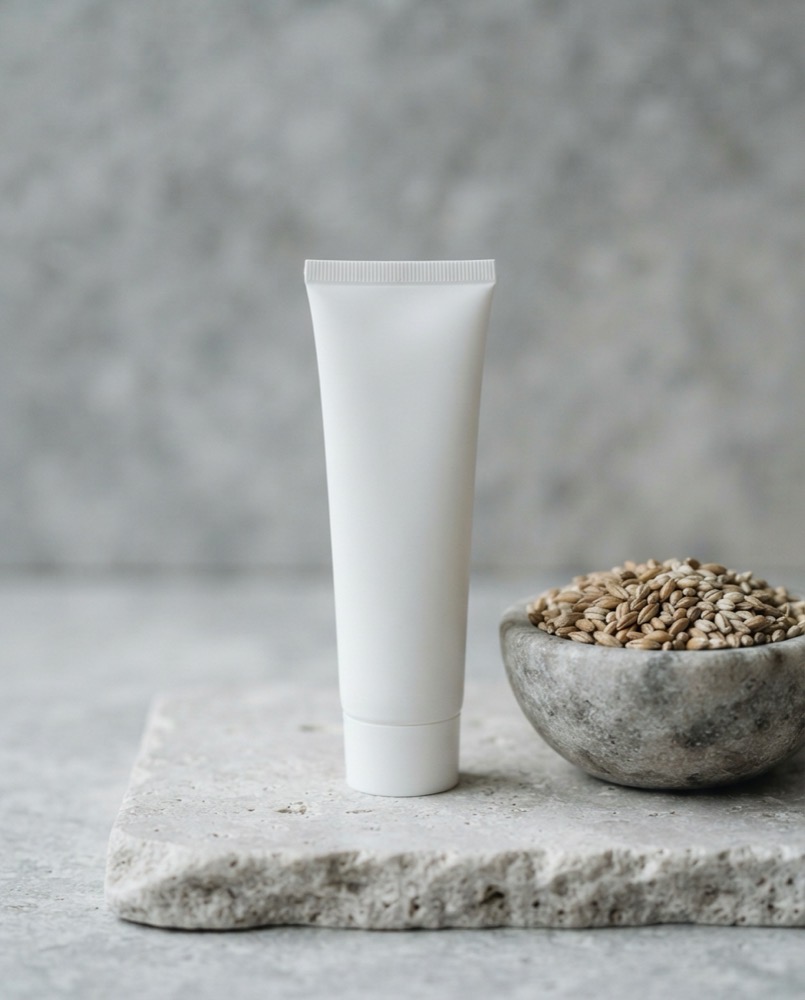
Azelaic acid is a dicarboxylic acid found naturally in grains such as barley, wheat and rye, and produced on the skin by yeast that lives there. Cosmetic products use 10%; prescription strengths are 15% and 20%.
It is unusual among actives in doing several jobs at once – it is antibacterial, anti-inflammatory, mildly keratolytic and a tyrosinase inhibitor – while remaining gentle enough for reactive skin and safe in pregnancy.
What skin concerns does azelaic acid treat?
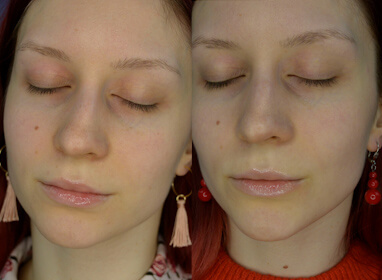
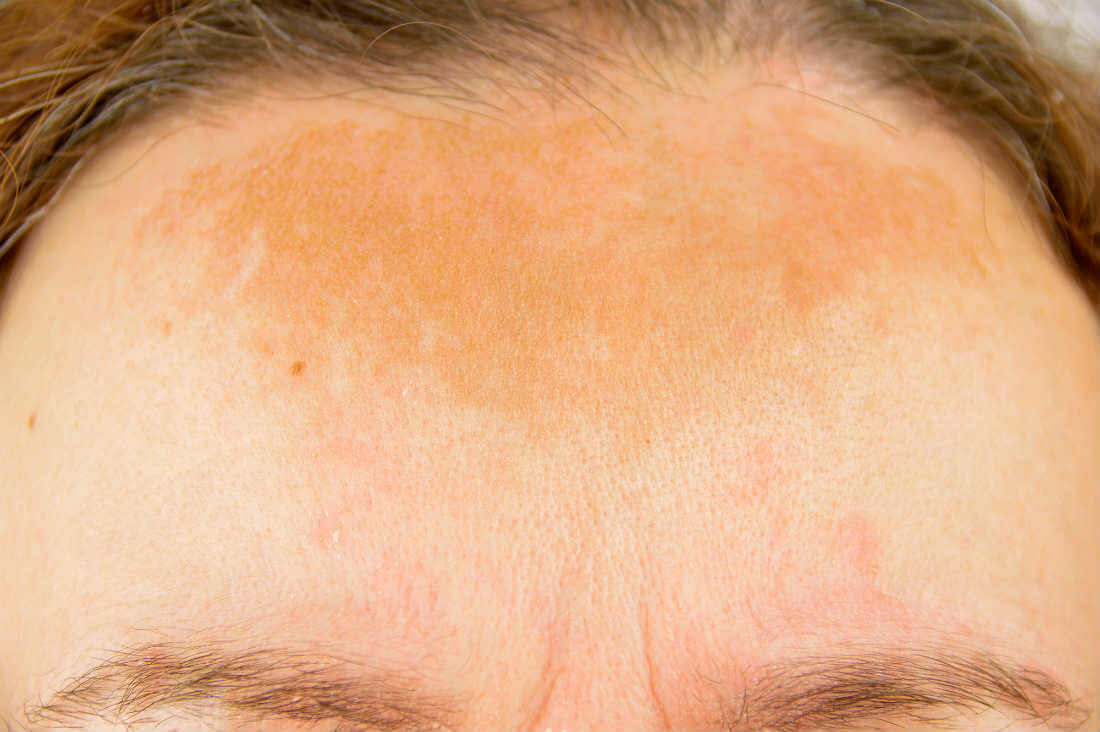
A systematic review found evidence for azelaic acid across acne, rosacea, melasma and skin ageing – a range few single ingredients cover.
That makes it especially useful where concerns overlap: inflamed breakouts plus the brown marks they leave, or rosacea redness plus uneven tone. Its mechanisms include normalising follicular keratinisation and scavenging reactive oxygen species.
What ingredients are best paired with azelaic acid?
Niacinamide is an excellent partner for redness and sebum control. It also layers well with hyaluronic acid, ceramides and squalane, and can be combined with retinoids or salicylic acid if introduced gradually.
Expect a mild tingle for the first week or two. Because it is one of the few actives considered safe during pregnancy, it is often the substitute of choice when retinoids have to be paused. Take our Skin Quiz.
What is adult acne?
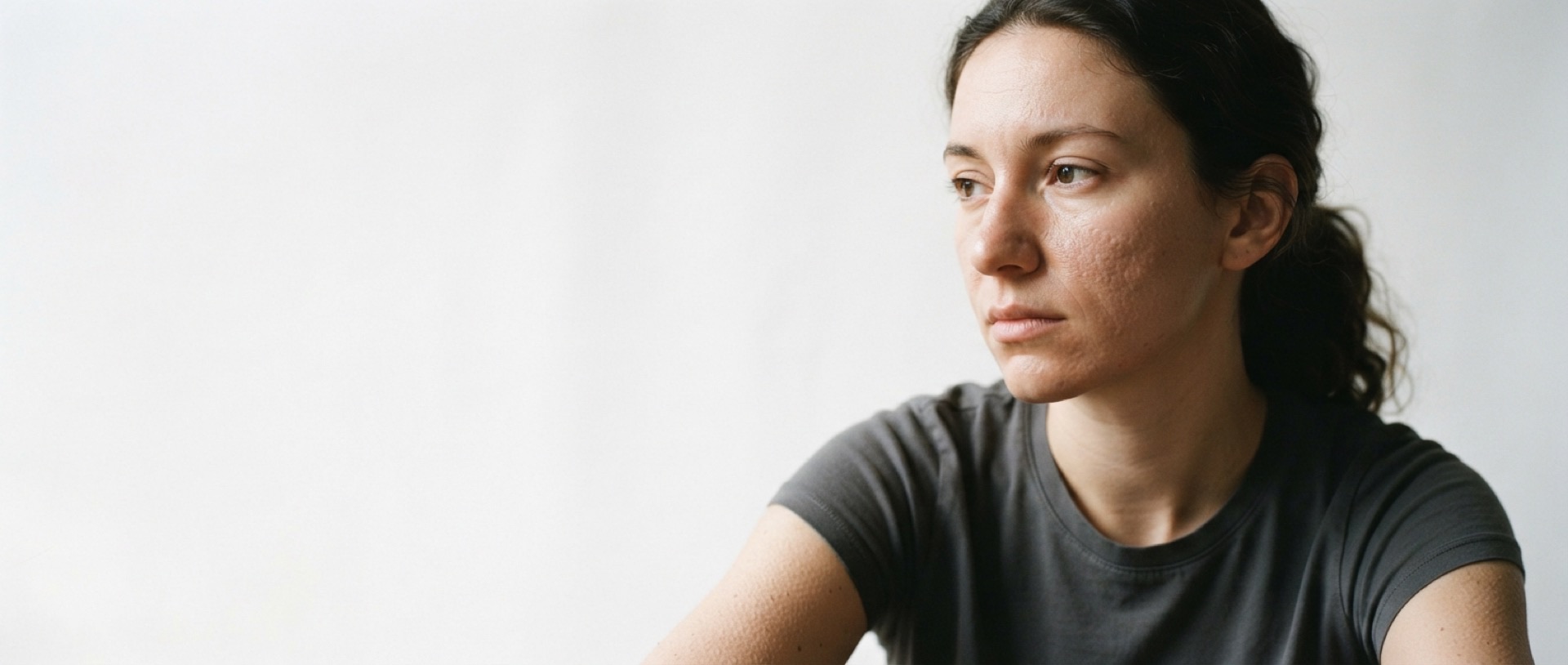
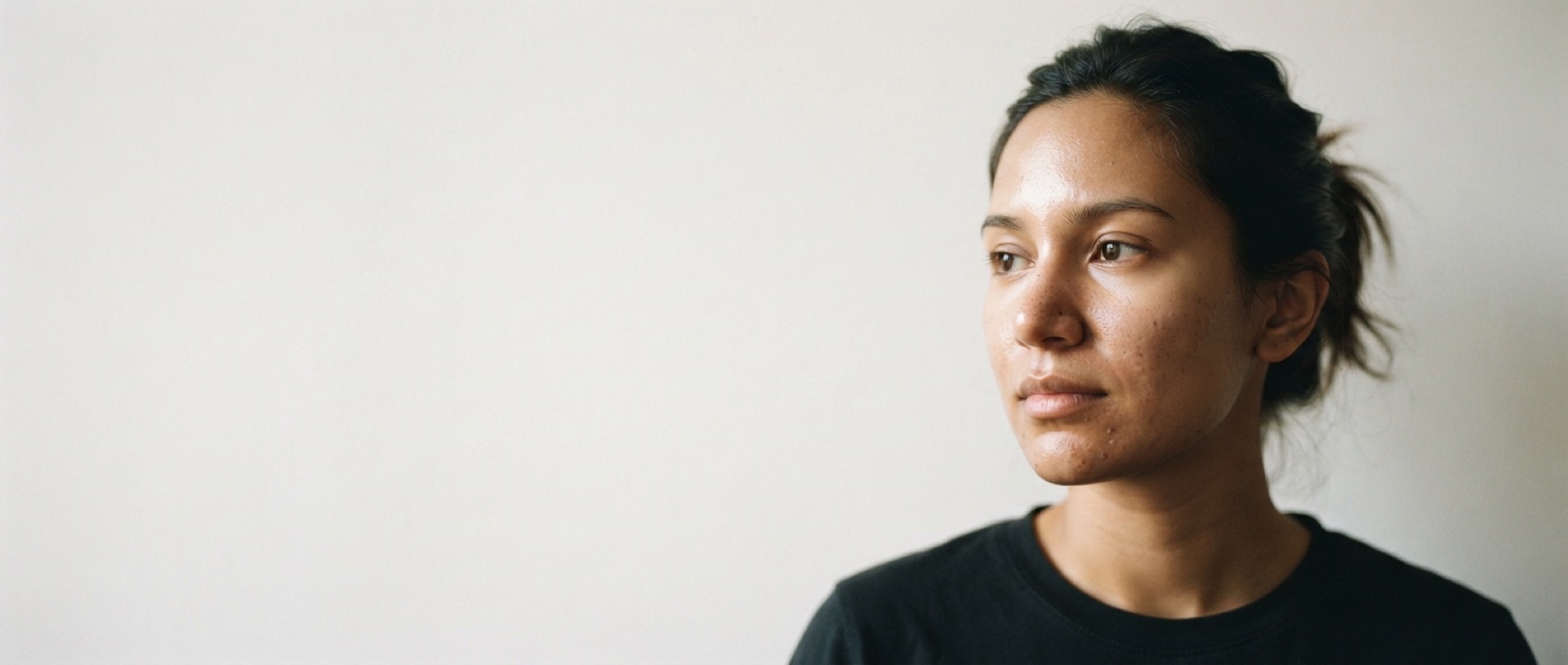
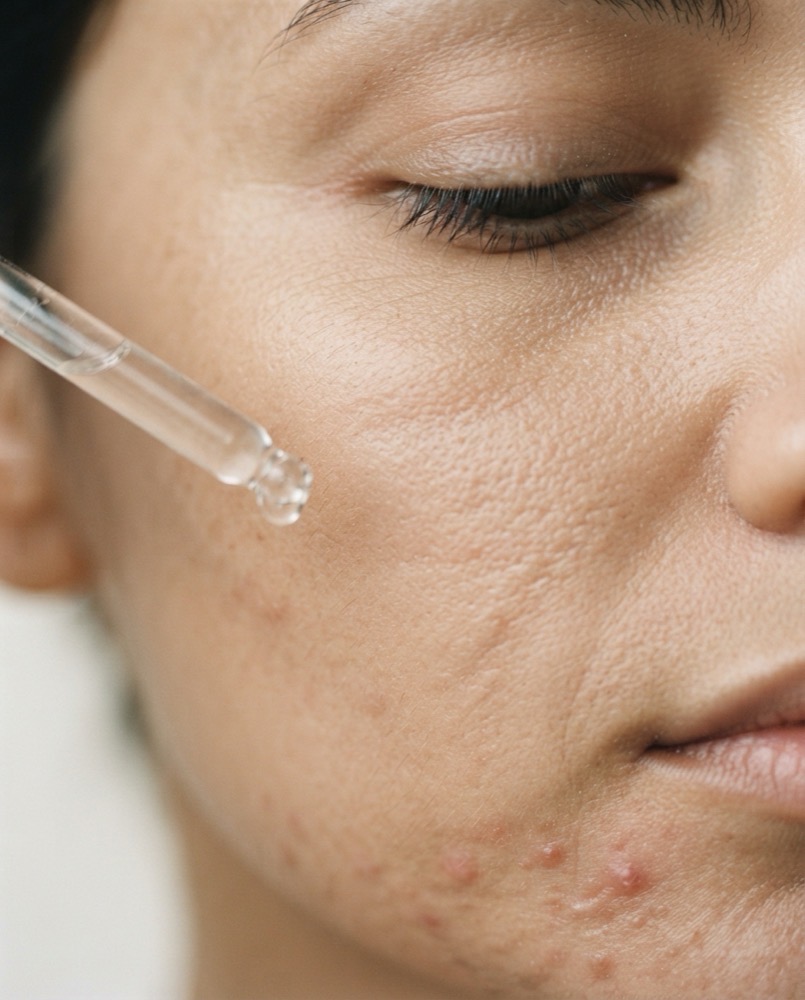
Adult acne is acne that persists past the teenage years or appears for the first time in your twenties, thirties or later. It affects a substantial share of adults, and disproportionately women.
It tends to look different from teenage acne: fewer widespread blackheads, more deep tender lesions along the jawline, chin and neck, often on skin that is simultaneously dry, sensitive or already showing early signs of ageing.
What causes adult acne?
Hormonal fluctuation is the leading driver – menstrual cycles, coming off or starting contraception, pregnancy, perimenopause and conditions such as PCOS all shift androgen activity and sebum output.
Stress and cortisol, sleep debt, high-glycaemic diets, comedogenic makeup and skincare, friction, and certain medications compound it. Adult skin also heals more slowly, so marks linger longer than they did at nineteen.
What ingredients are best for adult acne?
The challenge is treating acne without wrecking a barrier that is also ageing. Retinoids do double duty here, clearing follicles and stimulating collagen at the same time.
Azelaic acid is excellent for adult skin because it handles lesions, redness and post-acne marks together. Add salicylic acid used sparingly, niacinamide to regulate oil and calm inflammation, and ceramides plus hyaluronic acid to keep hydration up. Skip harsh benzoyl peroxide concentrations and scrubs. Take our Skin Quiz.