

What is lavender in skincare?
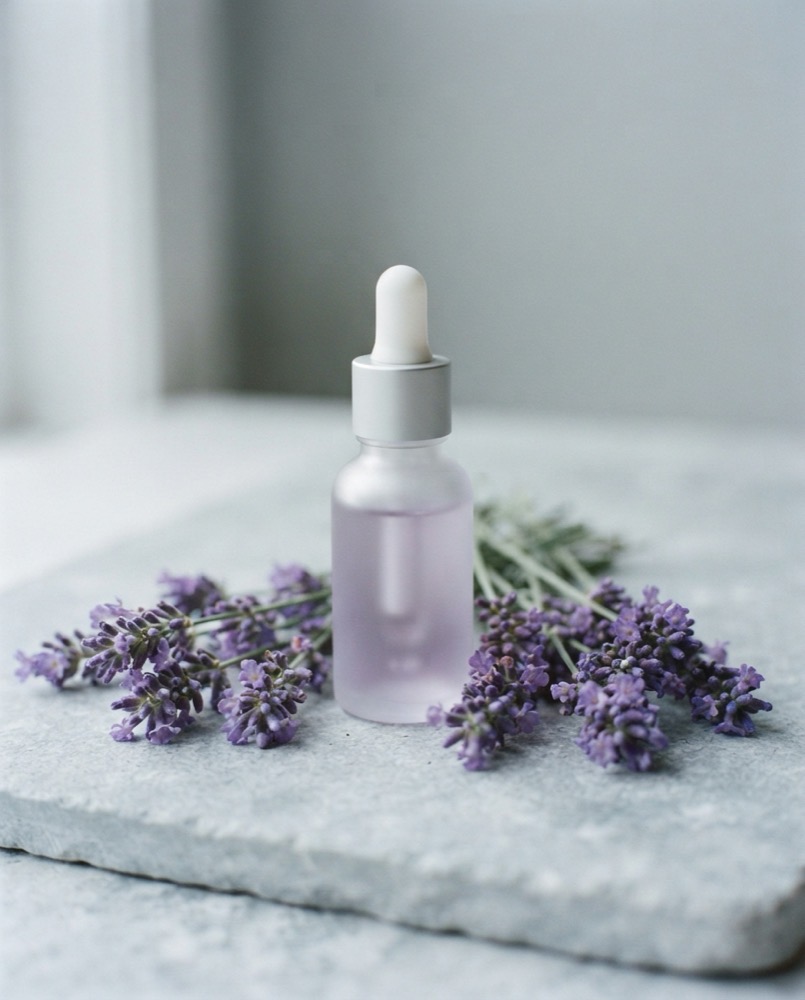
Lavender oil is steam-distilled from the flowering spikes of Lavandula angustifolia. Its main constituents are linalool and linalyl acetate, which give it both its scent and its biological activity.
It is one of the most widely used essential oils in cosmetics, valued for fragrance as much as for function. Its anti-inflammatory and antimicrobial properties are real, but so is its potential to sensitise skin.
What skin concerns does lavender treat?
It calms minor irritation, insect bites and small wounds, and has been shown to support wound healing and collagen synthesis in experimental models. Its antibacterial action gives it a modest role in mild acne.
Its most reliable benefit is arguably indirect: lavender’s effect on stress and sleep quality matters for skin, since cortisol drives inflammation and breakouts. As a topical active on the face, however, it is one of the weaker options.
What ingredients are best paired with lavender?
Always dilute it in a carrier oil – jojoba, squalane or sweet almond – to around 1%. Pair it with calming ingredients such as chamomile, centella asiatica and colloidal oatmeal.
Be cautious: linalool oxidises on exposure to air into a known contact allergen, and lavender is a common cause of fragrance sensitivity. If your skin is reactive or you are treating rosacea, a fragrance-free calming ingredient is the safer choice. Take our Skin Quiz.

What are wrinkles?
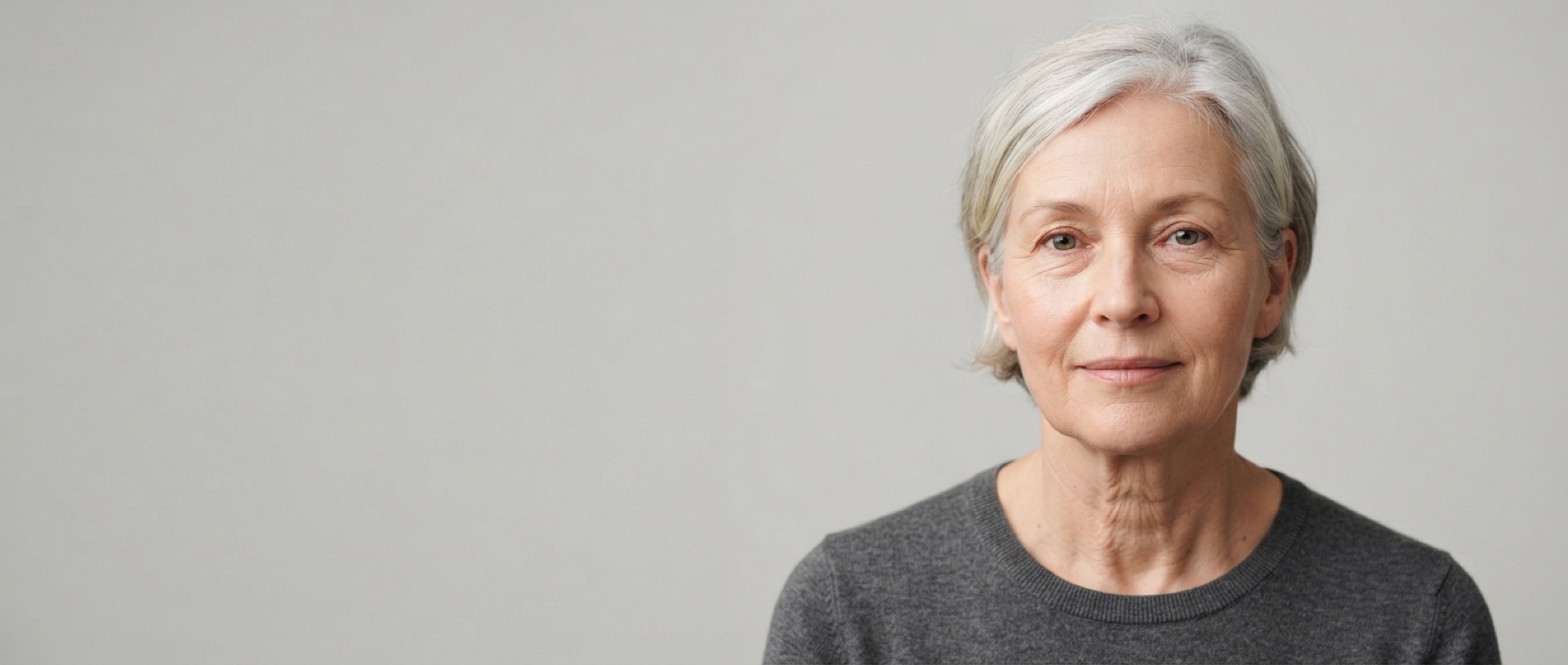
Wrinkles are permanent folds and creases in the skin. They begin as dynamic lines that appear only with expression, then set into static lines visible at rest once the underlying support structure can no longer push them back out.
They form first where skin is thin and movement is constant: crow’s feet, forehead lines, frown lines between the brows, and nasolabial folds. Deeper folds also reflect loss of fat and bone volume, not just skin change.
What causes wrinkles?
Internally, collagen and elastin production declines steadily from the mid-twenties and the dermal matrix thins, so skin loses the scaffolding that keeps it smooth.
Externally, ultraviolet radiation does most of the damage – it activates enzymes that break down collagen and degrades elastic fibres. Smoking, pollution, sugar-driven glycation, poor sleep, sleeping position and repeated facial movement all accelerate the process.
What ingredients are best for wrinkles?
Retinoids have the deepest evidence base for stimulating collagen and measurably reducing wrinkle depth over six to twelve months. Vitamin C supports synthesis while neutralising the free radicals that break it down, and peptides signal repair.
Round it out with hyaluronic acid and ceramides for hydration and barrier strength, niacinamide for elasticity and tone, and AHAs for surface renewal. Daily broad-spectrum SPF is the most effective anti-wrinkle product there is. Take our Skin Quiz.