What is lactic acid in skincare?
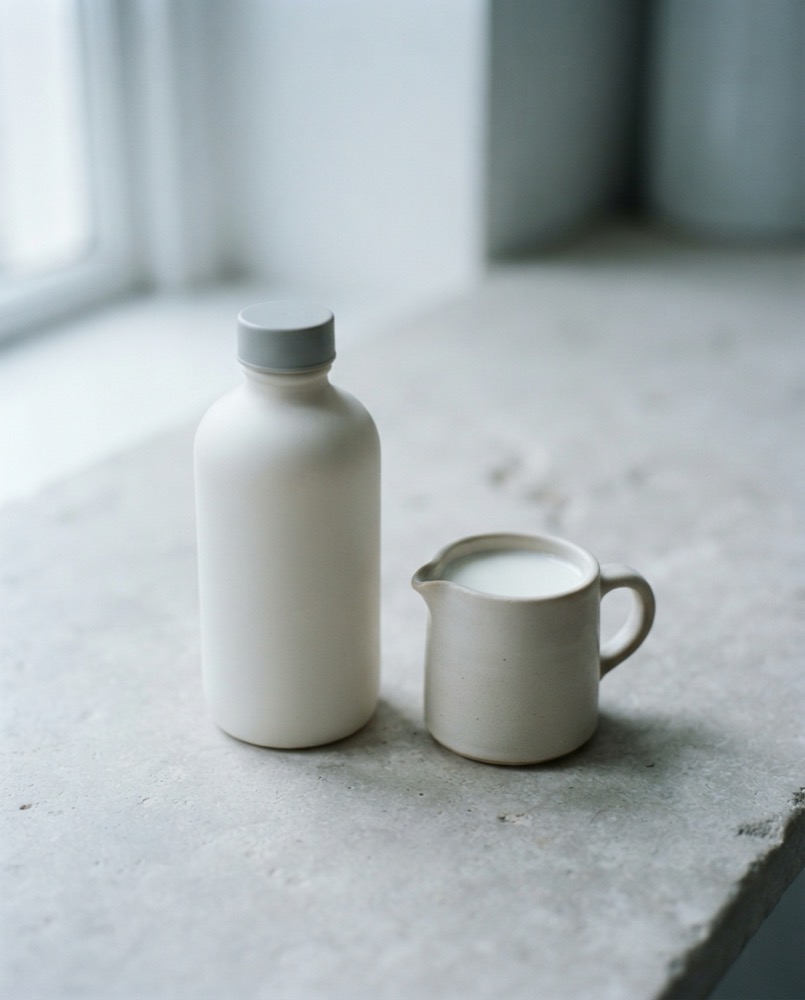
Lactic acid is an alpha-hydroxy acid originally derived from milk, now usually produced by fermentation. Its molecule is larger than glycolic acid’s, so it penetrates more slowly and irritates less – which makes it the AHA of choice for drier or more reactive skin.
It is also part of the skin’s own natural moisturising factor, so unlike most exfoliants it hydrates while it resurfaces. Research shows it increases ceramide production in the stratum corneum.
What skin concerns does lactic acid treat?
It smooths dullness, flakiness and rough texture, fades pigmentation and post-acne marks, and softens fine lines. Because it improves barrier lipids at the same time, it suits dry, mature and mildly sensitive skin better than stronger acids.
A controlled study pairing lactic acid with ceramides found measurable gains in both moisturisation and even shedding within two weeks.
What ingredients are best paired with lactic acid?
Ceramides are the standout partner, since lactic acid supports the skin making its own. Hyaluronic acid, glycerin, squalane and panthenol round out the hydration side.
Niacinamide layers comfortably, and vitamin C works well on alternate mornings. Keep it out of the same step as retinoids or BHAs while your skin adjusts, start twice weekly, and use SPF daily. Take our Skin Quiz.
What is oily skin?
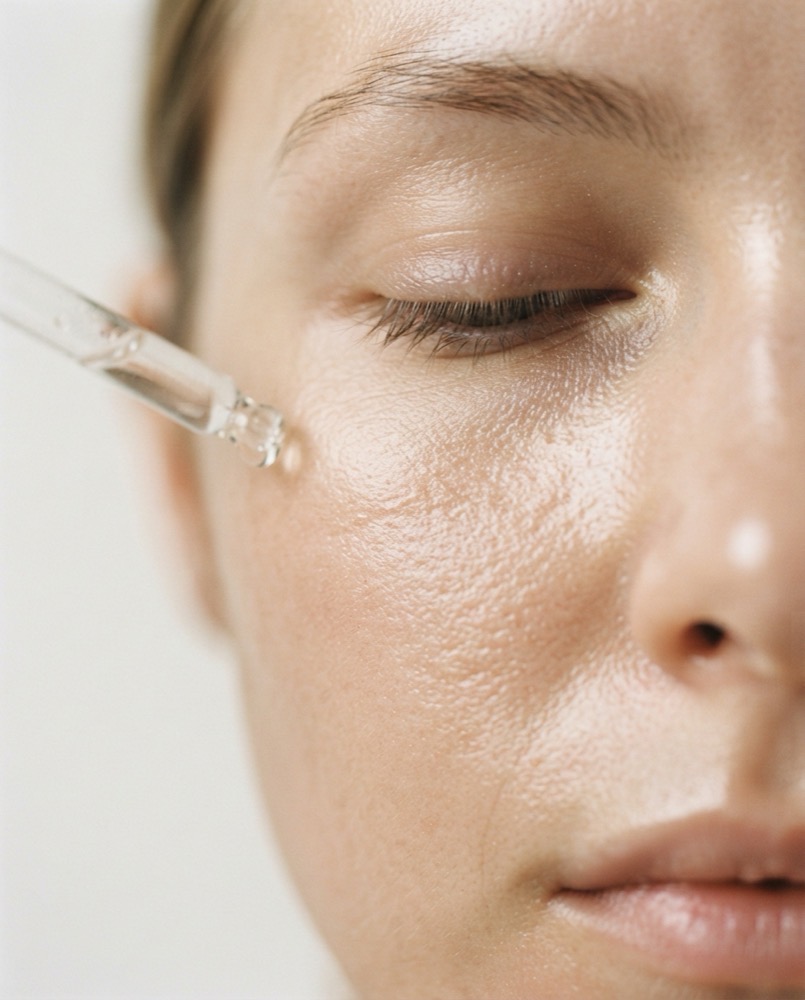
Oily skin is a skin type in which the sebaceous glands produce more sebum than the skin needs. It shows up as shine through the T-zone within hours of cleansing, visibly enlarged pores, makeup that slides or separates, and a tendency towards blackheads and congestion.
Sebum itself is not the enemy – it carries vitamin E to the surface, keeps the barrier supple and helps oily skin hold its structure, which is why it often shows fine lines later than dry skin does.
What causes oily skin?
Genetics and androgen activity are the primary drivers of how much sebum your glands produce. Heat and humidity increase output measurably, and hormonal fluctuations across the monthly cycle, pregnancy or puberty shift it again.
Stress, a diet heavy in refined carbohydrates, and – counter-intuitively – over-cleansing with stripping foams or alcohol-based toners all push oil production up, because skin compensates for a damaged barrier by making more.
What ingredients are best for oily skin?
Look for salicylic acid (a BHA that is oil-soluble, so it clears inside the pore), niacinamide and zinc to regulate sebum, clay such as bentonite or kaolin for weekly absorption, and retinoids or azelaic acid to normalise how pores shed.
Do not skip hydration: lightweight humectants like hyaluronic acid and glycerin, plus non-comedogenic squalane or jojoba oil, keep the barrier intact so the skin stops over-compensating. Skip heavy occlusive balms and high-alcohol toners. Take our Skin Quiz to get the balance right for your skin.