

What is lactic acid in skincare?
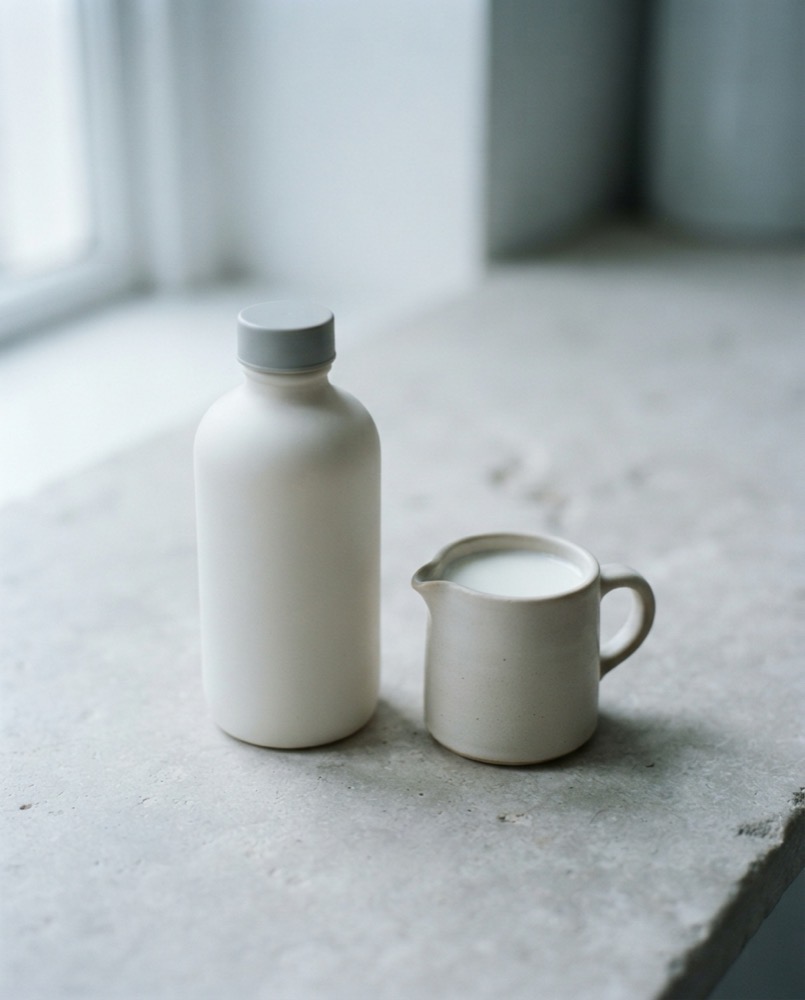
Lactic acid is an alpha-hydroxy acid originally derived from milk, now usually produced by fermentation. Its molecule is larger than glycolic acid’s, so it penetrates more slowly and irritates less – which makes it the AHA of choice for drier or more reactive skin.
It is also part of the skin’s own natural moisturising factor, so unlike most exfoliants it hydrates while it resurfaces. Research shows it increases ceramide production in the stratum corneum.
What skin concerns does lactic acid treat?
It smooths dullness, flakiness and rough texture, fades pigmentation and post-acne marks, and softens fine lines. Because it improves barrier lipids at the same time, it suits dry, mature and mildly sensitive skin better than stronger acids.
A controlled study pairing lactic acid with ceramides found measurable gains in both moisturisation and even shedding within two weeks.
What ingredients are best paired with lactic acid?
Ceramides are the standout partner, since lactic acid supports the skin making its own. Hyaluronic acid, glycerin, squalane and panthenol round out the hydration side.
Niacinamide layers comfortably, and vitamin C works well on alternate mornings. Keep it out of the same step as retinoids or BHAs while your skin adjusts, start twice weekly, and use SPF daily. Take our Skin Quiz.
What is dry skin?
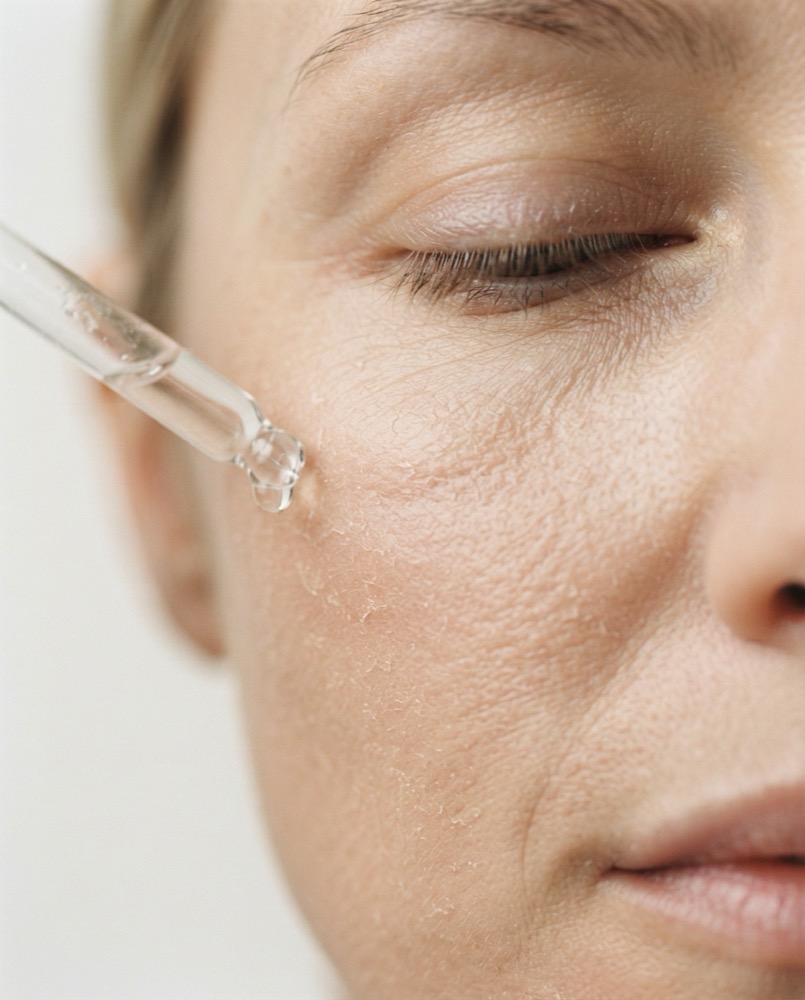
Dry skin – xerosis in clinical terms – is a skin type that lacks oil rather than water. It feels tight after cleansing, looks flaky or rough, may show fine cracking, and often reads dull because the uneven surface scatters light.
It is worth separating dry skin from dehydrated skin: dryness is a lack of lipids and is usually lifelong, while dehydration is a temporary lack of water and can happen to oily skin too. Many people have both at once.
What causes dry skin?
At the root is a compromised moisture barrier. When ceramides, cholesterol, fatty acids and natural moisturising factors run low, water evaporates out of the skin faster than it can be replaced.
Age, genetics, cold weather and low humidity, long hot showers, harsh surfactants, over-exfoliation, some medications, and conditions such as eczema and psoriasis all deplete those lipids. Consistent moisturising is the single intervention with the strongest evidence behind it.
What ingredients are best for dry skin?
Rebuild in layers. Humectants such as hyaluronic acid, glycerin, urea and panthenol draw water in; emollients such as squalane, jojoba oil and shea butter smooth the surface; and occlusives seal the whole thing in.
Ceramides, cholesterol and fatty acids are the priority, because they replace exactly what a dry barrier is missing, with niacinamide helping the skin make more of its own. Apply to damp skin, and swap foaming cleansers for cream or oil-based ones. Take our Skin Quiz to find the right combination for your skin.