

What is lactic acid in skincare?
Lactic acid is an alpha-hydroxy acid originally derived from milk, now usually produced by fermentation. Its molecule is larger than glycolic acid’s, so it penetrates more slowly and irritates less – which makes it the AHA of choice for drier or more reactive skin.
It is also part of the skin’s own natural moisturising factor, so unlike most exfoliants it hydrates while it resurfaces. Research shows it increases ceramide production in the stratum corneum.
What skin concerns does lactic acid treat?
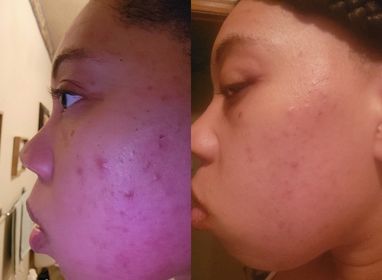
It smooths dullness, flakiness and rough texture, fades pigmentation and post-acne marks, and softens fine lines. Because it improves barrier lipids at the same time, it suits dry, mature and mildly sensitive skin better than stronger acids.
A controlled study pairing lactic acid with ceramides found measurable gains in both moisturisation and even shedding within two weeks.
What ingredients are best paired with lactic acid?
Ceramides are the standout partner, since lactic acid supports the skin making its own. Hyaluronic acid, glycerin, squalane and panthenol round out the hydration side.
Niacinamide layers comfortably, and vitamin C works well on alternate mornings. Keep it out of the same step as retinoids or BHAs while your skin adjusts, start twice weekly, and use SPF daily. Take our Skin Quiz.
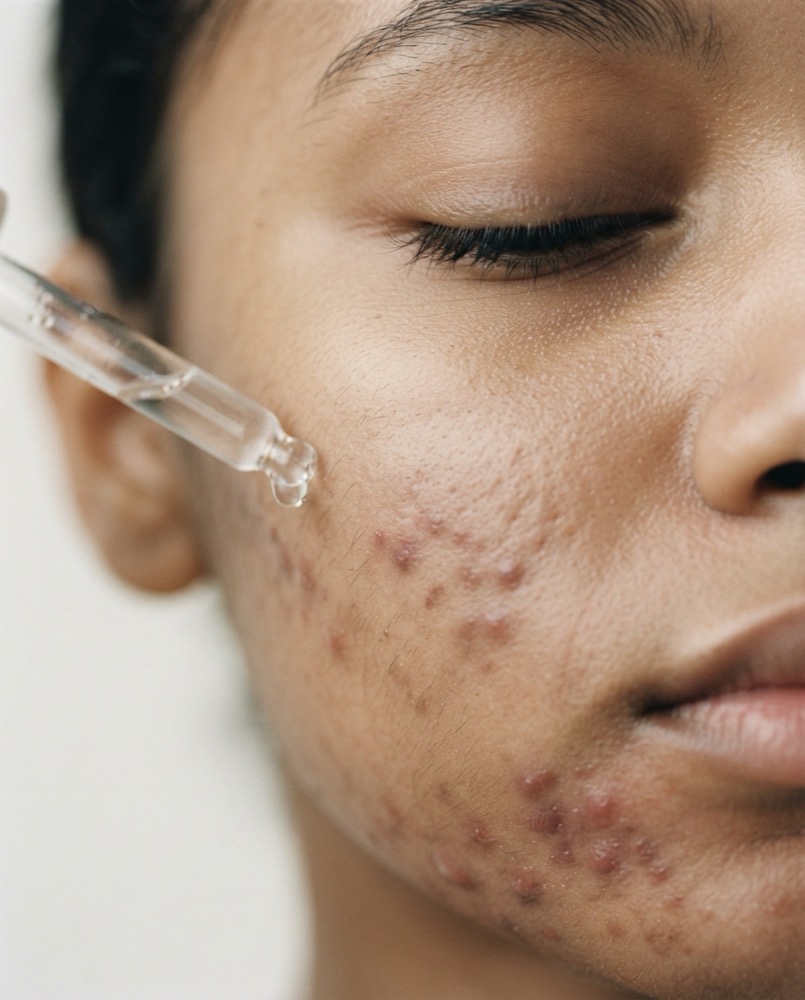
What is cystic acne?
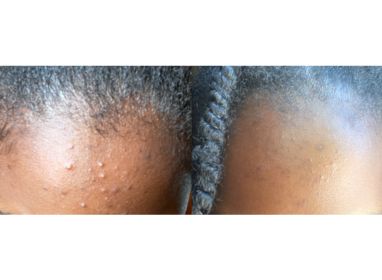
Cystic acne is the most severe form of inflammatory acne. Instead of surface pimples, it produces deep, tender nodules and fluid-filled cysts that sit under the skin, often without ever coming to a head.
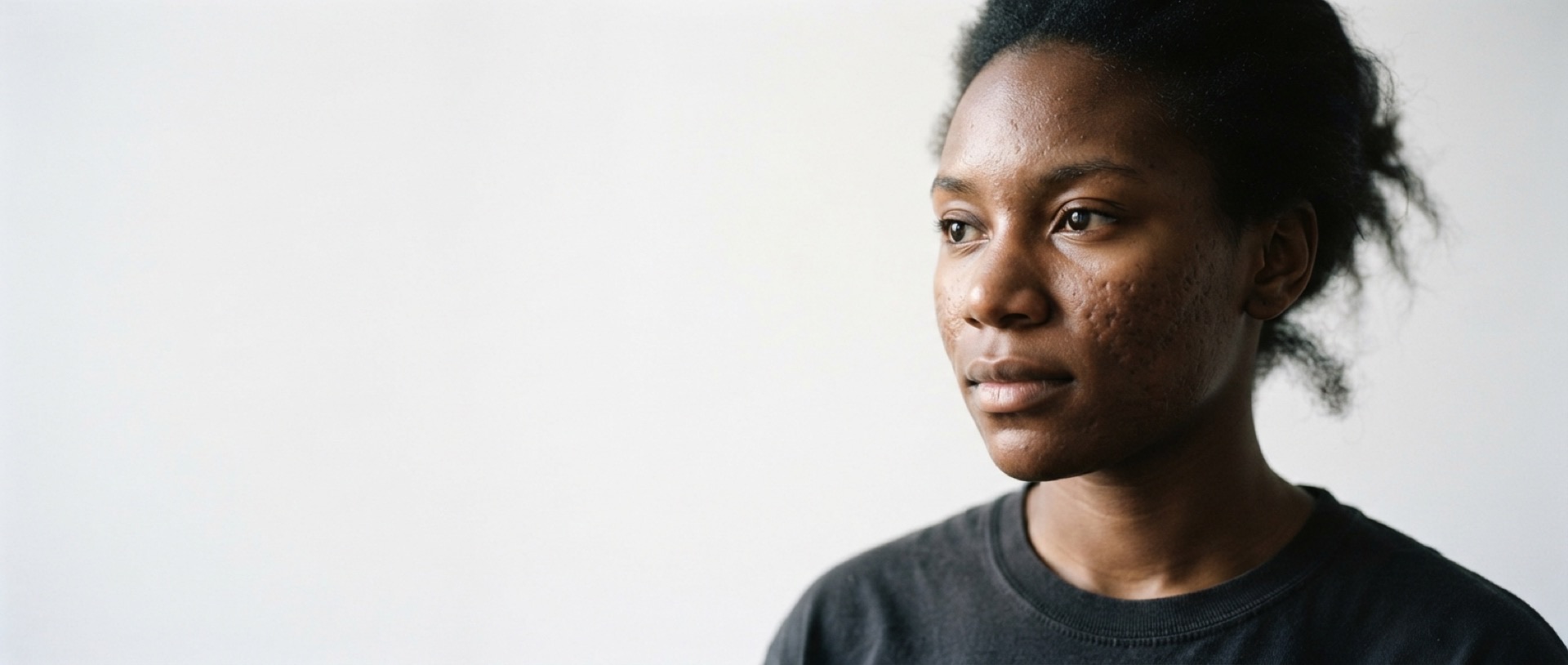
It happens when a blocked follicle ruptures deep in the dermis and spills sebum, keratin and bacteria into surrounding tissue, triggering a strong immune inflammatory response. Because the damage is deep, cystic acne is the type most likely to scar.
What causes cystic acne?
The same four factors behind all acne, amplified: excess sebum, abnormal shedding inside the follicle, overgrowth of Cutibacterium acnes, and inflammation. Androgens drive sebum production, which is why cystic acne often tracks with hormonal cycles, PCOS or puberty.
Genetics strongly influence severity, and stress, high-glycaemic diets, occlusive products and picking at lesions all make it worse. Squeezing a cyst pushes the contents deeper and reliably increases scarring.
What ingredients are best for cystic acne?
Cystic acne genuinely warrants a dermatologist – oral treatment is often needed. Alongside that, topical retinoids are the most useful over-the-counter active, because they work on the plug before it ruptures.
Benzoyl peroxide reduces bacterial load, azelaic acid calms inflammation and post-acne marks, and niacinamide helps redness without irritation. Keep the rest of the routine gentle and barrier-focused – harsh scrubs and drying alcohol make deep lesions angrier. Take our Skin Quiz.