What is jojoba oil in skincare?
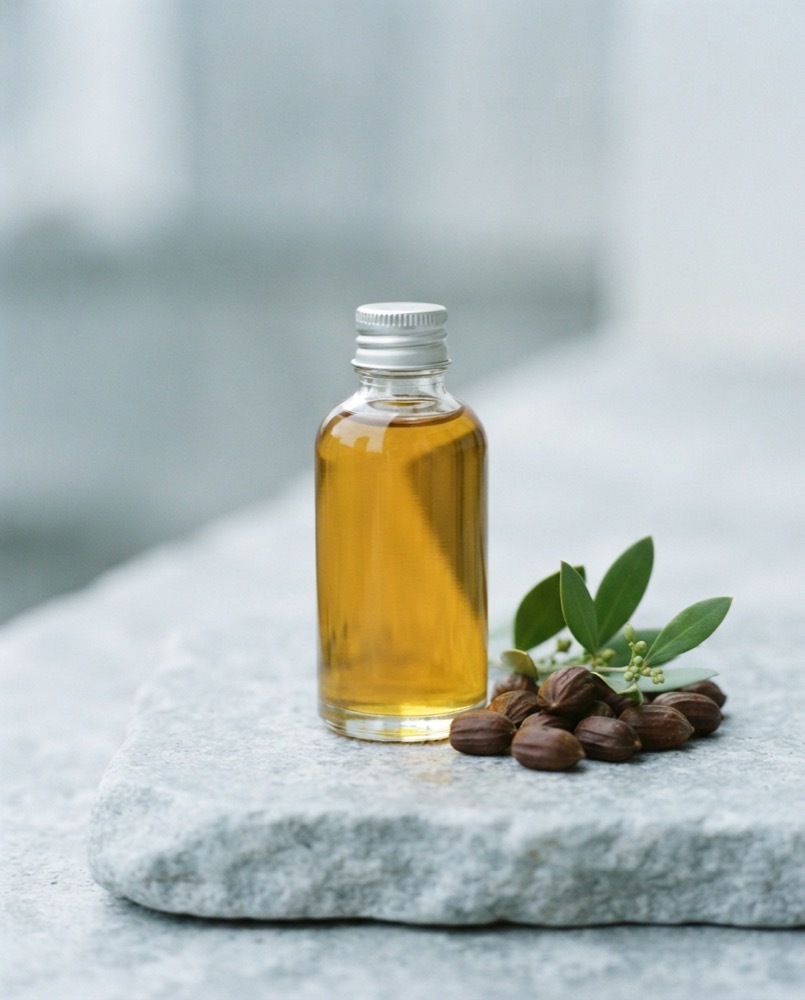
Jojoba oil is pressed from the seeds of the Simmondsia chinensis shrub, native to the deserts of the American southwest. Technically it is not an oil at all but a liquid wax ester – and that distinction is the whole point.
Human sebum is roughly a quarter wax esters, so jojoba’s structure is unusually close to what skin produces naturally. That is why it absorbs cleanly and rarely feels greasy. It is also exceptionally stable and resists going rancid.
What skin concerns does jojoba oil treat?
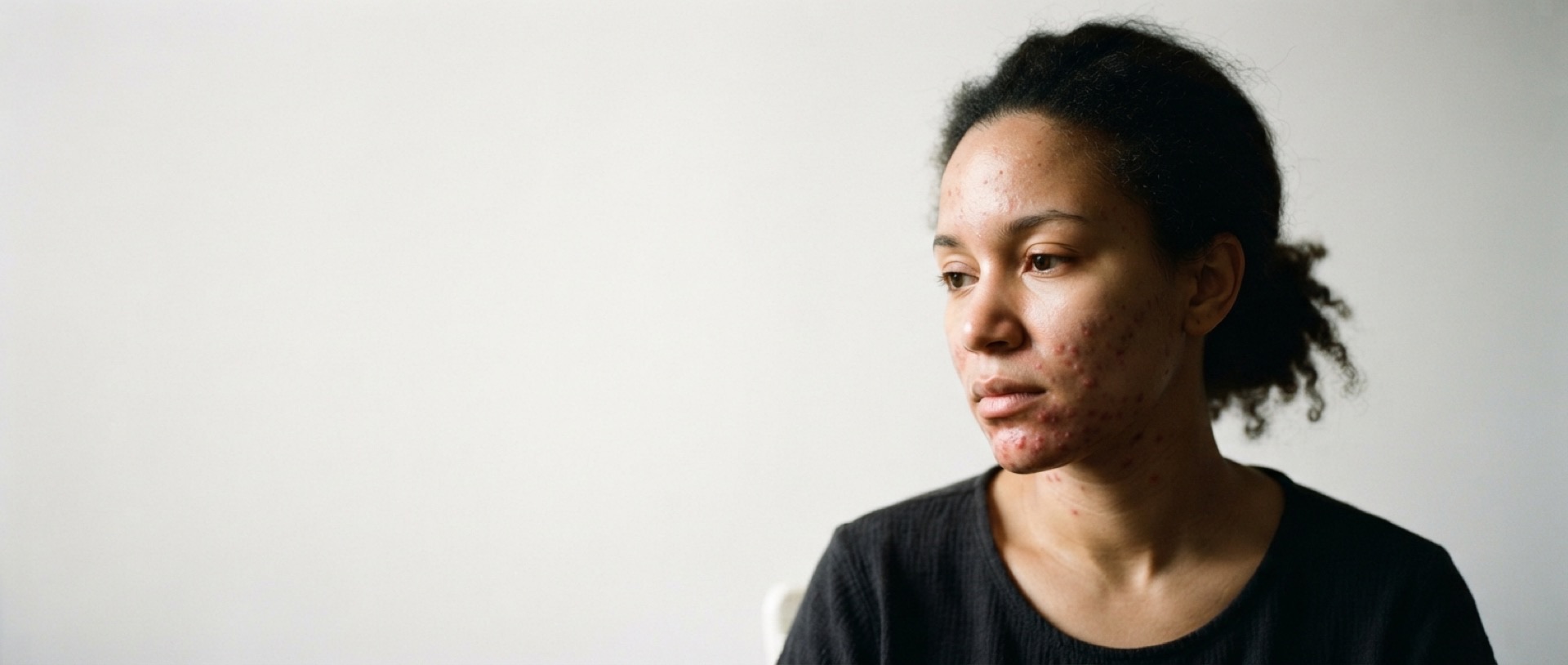
It suits almost every skin type. On dry skin it softens and seals; on oily skin its similarity to sebum can help signal that less oil is needed; and it is non-comedogenic enough for acne-prone skin to tolerate.
It has documented anti-inflammatory activity, useful for eczema, psoriasis and general irritation, and laboratory work on human skin shows topical jojoba wax increases pro-collagen III and hyaluronic acid synthesis while lowering inflammatory markers.
What ingredients are best paired with jojoba oil?
Use it as the sealing step over humectants such as hyaluronic acid and glycerin, and alongside ceramides and squalane for barrier repair.
It also works as a carrier for essential oils and as a buffer for retinoids, taking the edge off dryness without blocking absorption. It is one of the few plant oils that dissolves hardened sebum, so it doubles as a gentle first-step cleansing oil. Take our Skin Quiz.
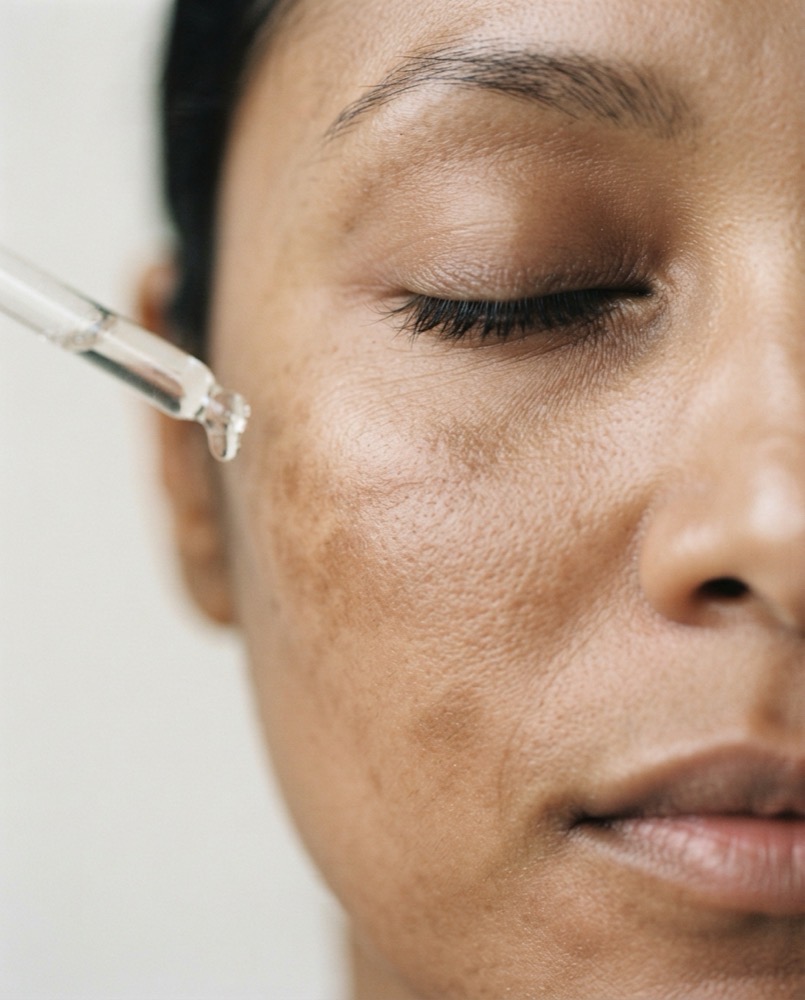
What is melasma?
Melasma is a common form of acquired hyperpigmentation that appears as symmetrical brown or greyish-brown patches, most often across the cheeks, forehead, upper lip and jawline. It develops when melanocytes – the pigment-producing cells in the skin – become overactive and deposit excess melanin into the epidermis, the dermis, or both.
It is far more common in women and in medium to deeper skin tones, and it behaves as a chronic, relapsing condition rather than a one-off mark – which is why management matters as much as treatment.
What causes melasma?
Three triggers dominate: ultraviolet and visible light exposure, hormonal change (pregnancy, oral contraceptives and hormone therapy – hence its nickname, the mask of pregnancy), and genetic predisposition.
Heat, visible light from sunlight and screens, inflammation from harsh products or aggressive procedures, and certain medications all make existing patches worse. Because the triggers are ongoing, melasma typically fades and returns rather than clearing permanently.
What ingredients are best for melasma?
Daily broad-spectrum sunscreen is non-negotiable, and a tinted mineral SPF containing iron oxides is best because it also screens the visible light that drives pigment production.
On top of that, the most evidence-backed actives are tranexamic acid, azelaic acid, niacinamide, vitamin C, alpha arbutin, kojic acid, liquorice root extract, retinoids and gentle alpha-hydroxy acids. Avoid harsh scrubs and strong heat, both of which can rebound the pigment. Take our Skin Quiz to build a routine around your skin tone and triggers.