

What is hydroquinone in skincare?
Hydroquinone is a phenolic compound that suppresses melanin production by inhibiting tyrosinase, the key enzyme in the pigment pathway. It has been the dermatological reference standard for skin lightening for decades.
Its regulatory status varies widely. In the United States prescription strengths are 4%; in the European Union and several other markets it is banned from cosmetics entirely and available only through a doctor.
What skin concerns does hydroquinone treat?
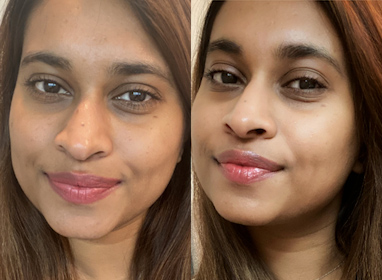
It is used for melasma, solar lentigines, post-inflammatory hyperpigmentation and other stubborn pigment that has not responded to gentler agents. Meta-analyses of topical melasma treatments consistently place it among the most effective options.
It is intended for short courses – typically three to six months. Prolonged unsupervised use carries a risk of ochronosis, a blue-black discolouration that is very difficult to reverse, which is why safety reviews stress medical supervision.
What ingredients are best paired with hydroquinone?
It is most effective in the classic triple combination with a retinoid and a mild corticosteroid, prescribed and monitored by a dermatologist. Daily broad-spectrum SPF is mandatory, or the pigment simply returns.
If hydroquinone is unavailable or unsuitable, azelaic acid, tranexamic acid, alpha arbutin, kojic acid, niacinamide and vitamin C are the evidence-backed alternatives – slower, but safe for long-term use. Take our Skin Quiz.
What is bumpy skin?
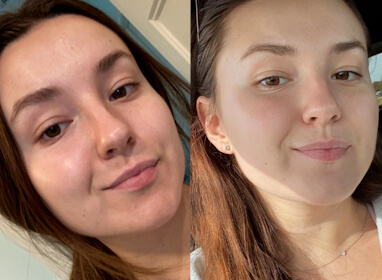
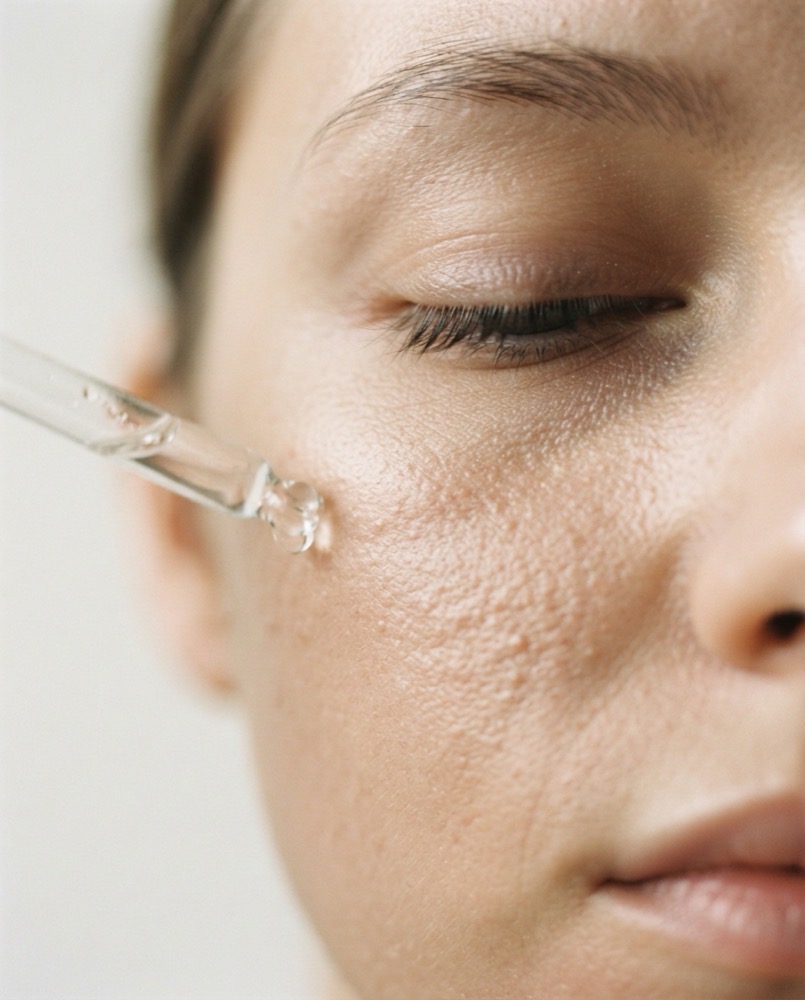
Bumpy skin is a texture problem rather than a single condition. It covers the rough, uneven surface you can feel more than see – most often keratosis pilaris (small hard bumps on the upper arms, thighs and cheeks), closed comedones, milia, or simple build-up of dead cells on the surface.
Keratosis pilaris in particular affects a large share of the population and is harmless, but it makes skin feel like sandpaper and can be stubborn to smooth out.
What causes bumpy skin?
Most bumpy texture comes from keratin plugging the follicle. When dead cells fail to shed cleanly, they collect at the pore opening and form a firm bump – a process closely linked to a weakened permeability barrier and low skin hydration.
Genetics, dry skin, cold weather, eczema and a history of over-scrubbing all make it worse. Aggressive physical exfoliation tends to backfire, inflaming the follicle and thickening the plug.
What ingredients are best for bumpy skin?
Chemical exfoliation works far better than scrubbing. Salicylic acid clears inside the follicle, lactic and glycolic acid loosen surface build-up, and urea both exfoliates and hydrates.
Retinoids normalise how skin sheds over time, while ceramides, niacinamide and hyaluronic acid keep the barrier strong so the plugs stop reforming. Consistency matters more than strength here. Take our Skin Quiz to work out which exfoliant your skin can tolerate.