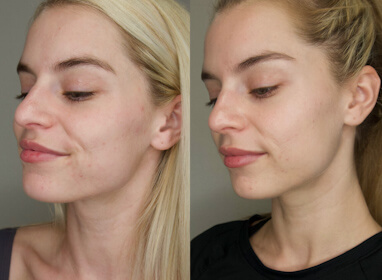
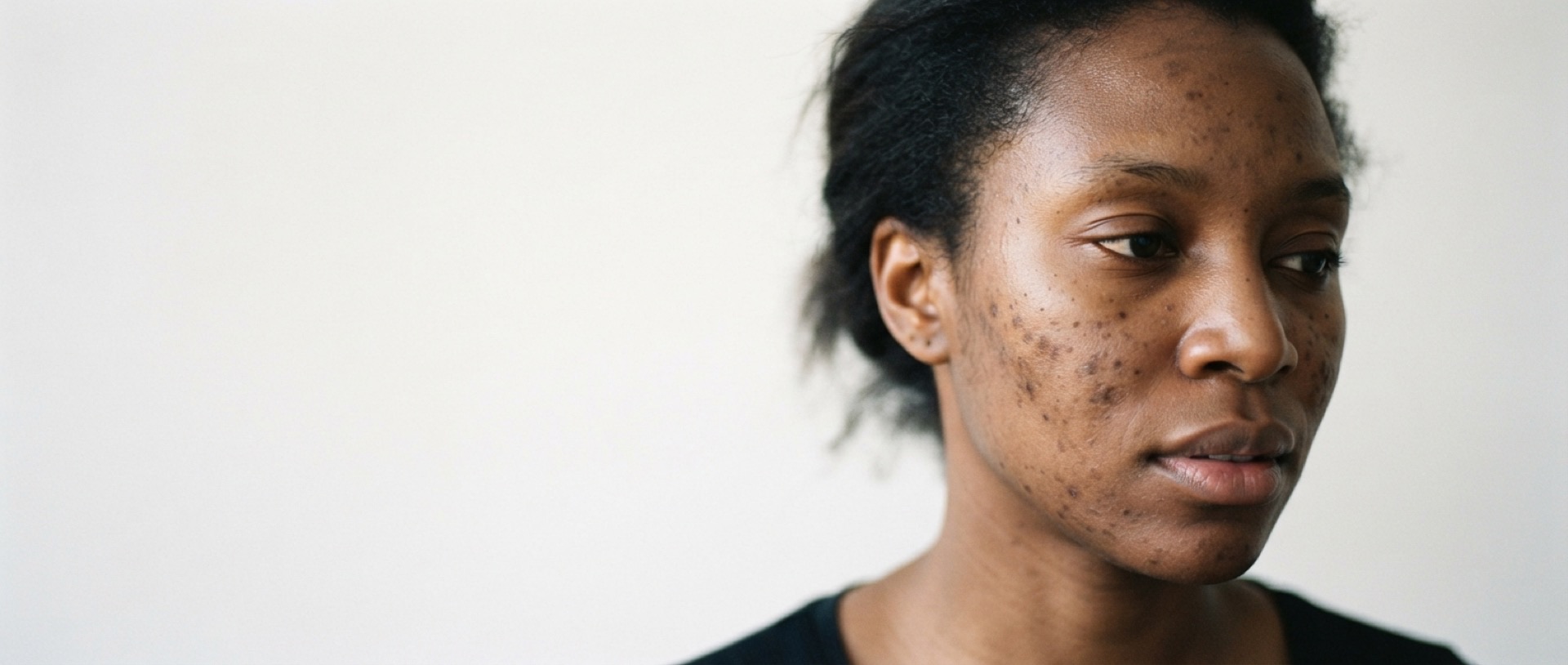
What is honey in skincare?
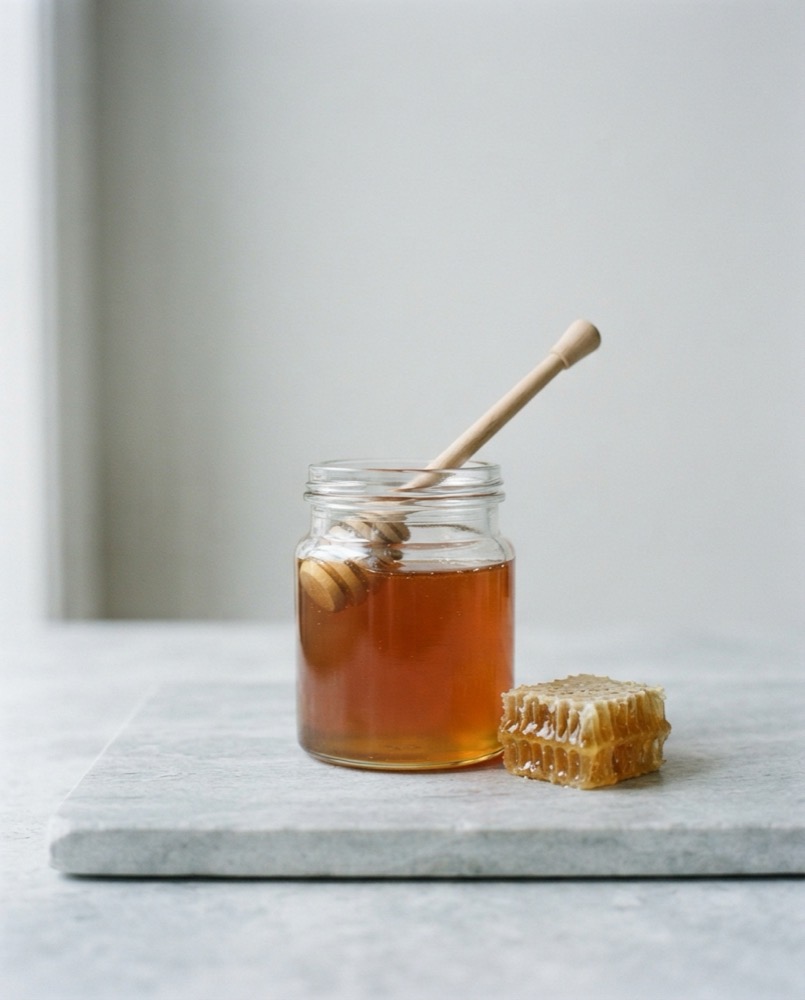
Honey is a supersaturated sugar solution made by bees from floral nectar, containing glucose, fructose, organic acids, enzymes, amino acids and polyphenols. Its low water activity and its glucose oxidase enzyme – which slowly releases hydrogen peroxide – give it genuine antibacterial activity.
Manuka honey is distinguished by methylglyoxal, a non-peroxide antibacterial compound. Medical-grade honey is sterilised and standardised, which matters if the purpose is treatment rather than comfort.
What skin concerns does honey treat?
It is a humectant, so it hydrates; an anti-inflammatory, so it calms redness; and an antibacterial, which is why it helps mild acne. Its enzymes provide very gentle exfoliation.
Its strongest evidence is in wound healing, where medical-grade honey is used clinically on burns, ulcers and slow-healing wounds. For everyday skincare it suits dry, sensitive, irritated and mildly breakout-prone skin.
What ingredients are best paired with honey?
In masks it is traditionally combined with oatmeal, yogurt or turmeric, all of which reinforce its soothing effect. In formulated products it sits well with glycerin, hyaluronic acid, aloe vera and niacinamide.
Rinse it off rather than leaving it on, since raw honey is sticky and its sugars attract dust. Avoid raw honey on broken skin – use a medical-grade product if you are treating a wound. Take our Skin Quiz.
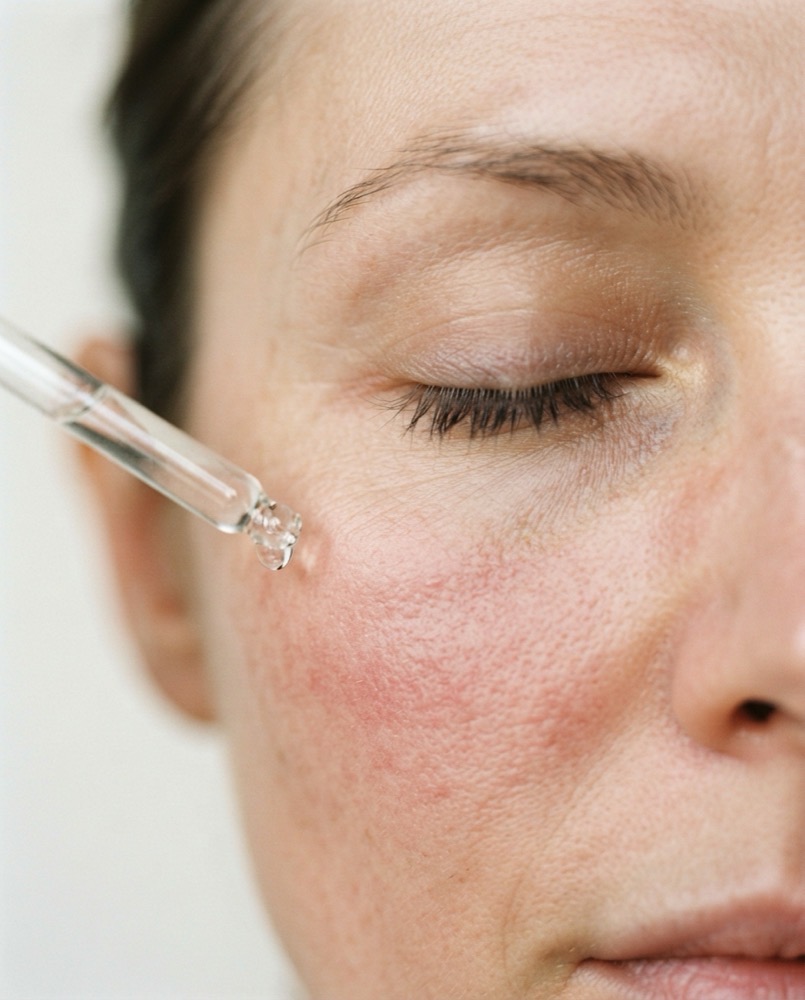
What is redness?
Facial redness is visible dilation of the small blood vessels near the skin’s surface. It ranges from transient flushing that comes and goes, to persistent erythema across the cheeks and nose, to fixed thread veins that stay visible all the time.
Redness is a symptom rather than a diagnosis. It can signal rosacea, irritation, an over-exfoliated barrier, eczema, an allergic reaction or simply reactive skin that responds strongly to heat and stress.
What causes redness?
Most persistent redness traces back to a compromised barrier and heightened nerve sensitivity. When the barrier thins, irritants penetrate more easily and the skin mounts an inflammatory response to things it would normally tolerate.
Common aggravators: over-exfoliation, high-strength actives used too often, fragrance and essential oils, hot water, alcohol, spicy food, sudden temperature change, sun exposure and stress. Trying to treat redness with more actives usually deepens it.
What ingredients are best for redness?
Prioritise calming and rebuilding over correcting. Niacinamide, azelaic acid, centella asiatica, green tea extract, liquorice root, allantoin, bisabolol and colloidal oatmeal all reduce visible inflammation.
Then repair the barrier with ceramides, cholesterol, fatty acids, glycerin, panthenol and squalane, and protect it with a gentle mineral SPF. Strip the routine back to cleanser, moisturiser and sunscreen for a few weeks before reintroducing anything active. Take our Skin Quiz.