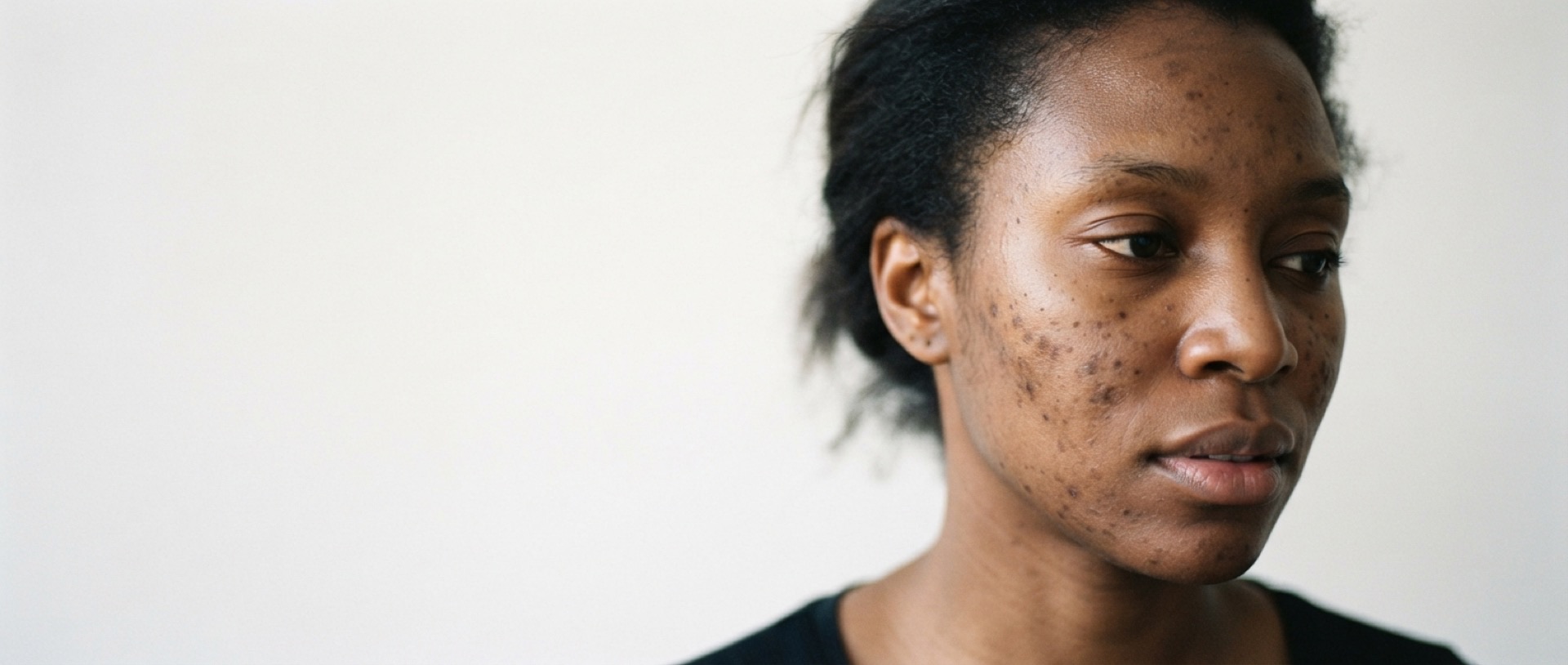
What is honey in skincare?
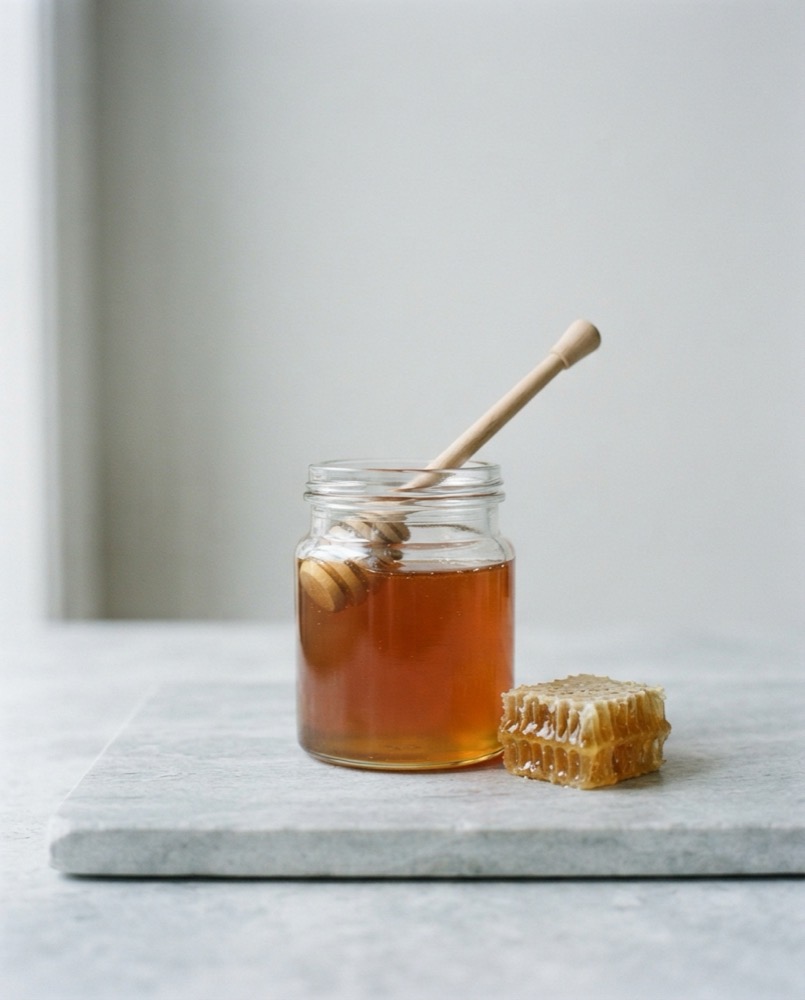
Honey is a supersaturated sugar solution made by bees from floral nectar, containing glucose, fructose, organic acids, enzymes, amino acids and polyphenols. Its low water activity and its glucose oxidase enzyme – which slowly releases hydrogen peroxide – give it genuine antibacterial activity.
Manuka honey is distinguished by methylglyoxal, a non-peroxide antibacterial compound. Medical-grade honey is sterilised and standardised, which matters if the purpose is treatment rather than comfort.
What skin concerns does honey treat?
It is a humectant, so it hydrates; an anti-inflammatory, so it calms redness; and an antibacterial, which is why it helps mild acne. Its enzymes provide very gentle exfoliation.
Its strongest evidence is in wound healing, where medical-grade honey is used clinically on burns, ulcers and slow-healing wounds. For everyday skincare it suits dry, sensitive, irritated and mildly breakout-prone skin.
What ingredients are best paired with honey?
In masks it is traditionally combined with oatmeal, yogurt or turmeric, all of which reinforce its soothing effect. In formulated products it sits well with glycerin, hyaluronic acid, aloe vera and niacinamide.
Rinse it off rather than leaving it on, since raw honey is sticky and its sugars attract dust. Avoid raw honey on broken skin – use a medical-grade product if you are treating a wound. Take our Skin Quiz.
What are fine lines?
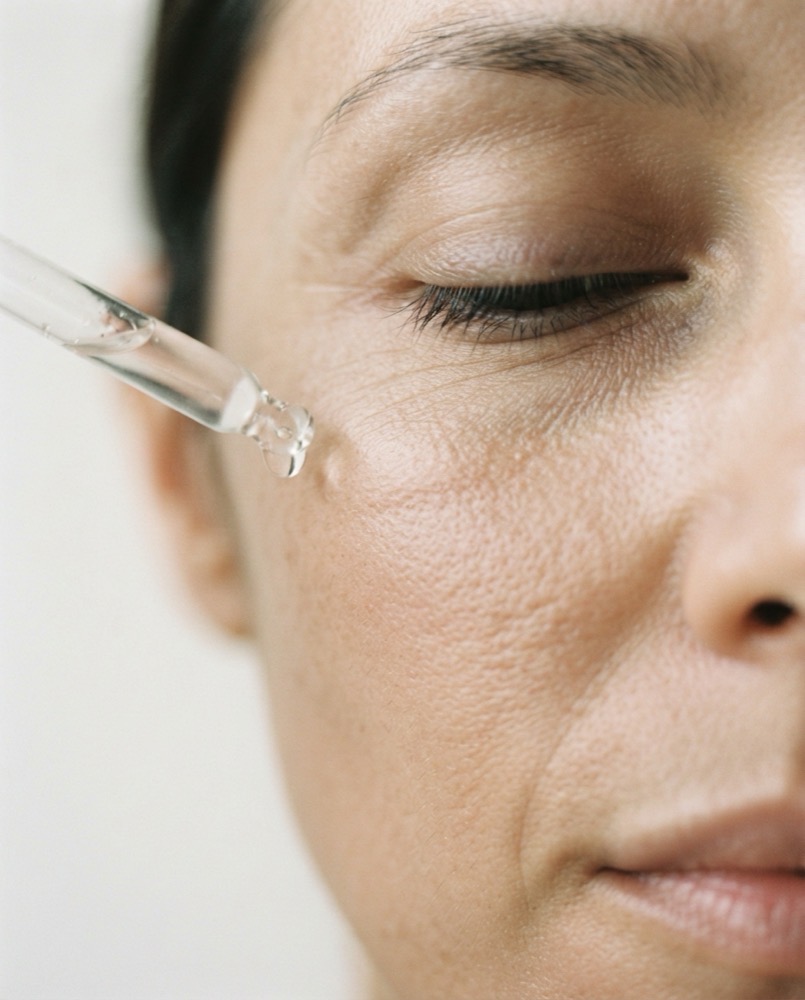
Fine lines are the earliest visible sign of skin ageing: shallow creases that appear where skin is thinnest and most expressive – around the eyes, across the forehead, and at the corners of the mouth.
They differ from established wrinkles in that they are often still dynamic, showing mainly when you smile or squint, and are frequently worsened by dehydration. That makes them the most responsive stage to treat.
What causes fine lines?
Intrinsic ageing does part of the work: collagen production falls by roughly one per cent a year from the mid-twenties, elastin degrades, and the dermal matrix thins so skin no longer springs back.
The larger share is external. Ultraviolet exposure accounts for the majority of visible facial ageing, and pollution, smoking, poor sleep, sugar-driven glycation and repeated facial movement all accelerate it. Dehydration makes existing lines look deeper than they are.
What ingredients are best for fine lines?
Retinol and prescription retinoids have the strongest evidence for stimulating collagen and smoothing texture. Vitamin C protects against free-radical damage while supporting collagen synthesis, and peptides signal the skin to rebuild.
Pair those with hyaluronic acid and ceramides for immediate plumping and barrier support, niacinamide for tone, gentle AHAs for surface renewal, and coenzyme Q10 as an antioxidant. Daily broad-spectrum SPF protects everything else you are doing. Take our Skin Quiz.