

What is honey in skincare?
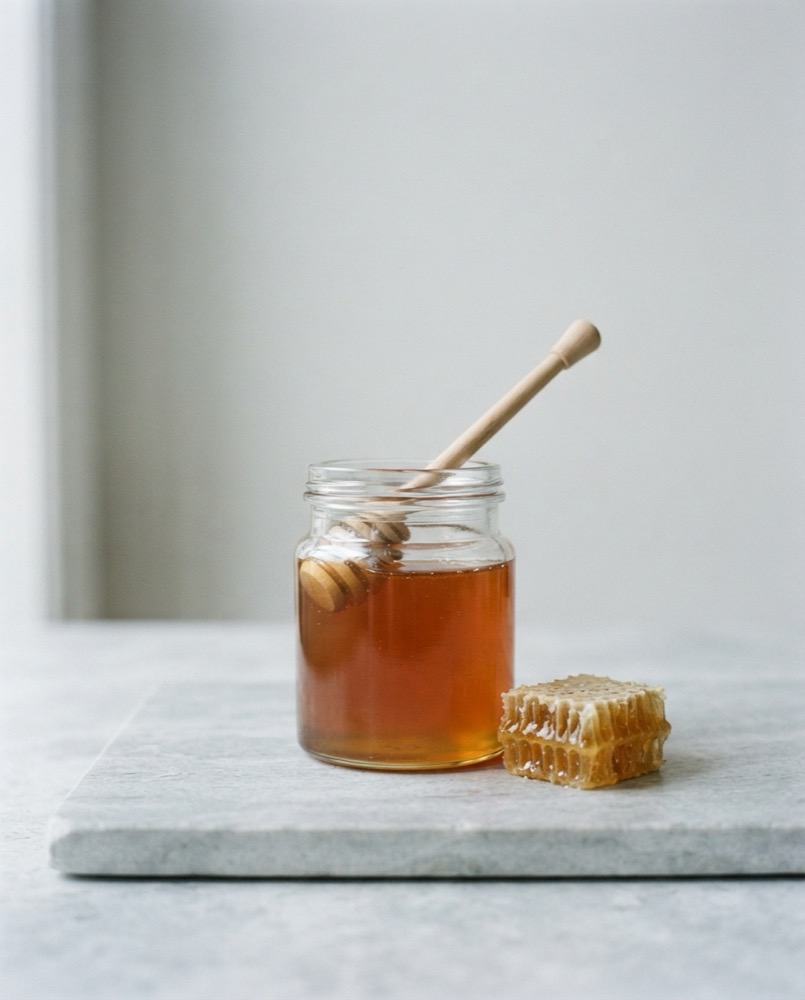
Honey is a supersaturated sugar solution made by bees from floral nectar, containing glucose, fructose, organic acids, enzymes, amino acids and polyphenols. Its low water activity and its glucose oxidase enzyme – which slowly releases hydrogen peroxide – give it genuine antibacterial activity.
Manuka honey is distinguished by methylglyoxal, a non-peroxide antibacterial compound. Medical-grade honey is sterilised and standardised, which matters if the purpose is treatment rather than comfort.
What skin concerns does honey treat?
It is a humectant, so it hydrates; an anti-inflammatory, so it calms redness; and an antibacterial, which is why it helps mild acne. Its enzymes provide very gentle exfoliation.
Its strongest evidence is in wound healing, where medical-grade honey is used clinically on burns, ulcers and slow-healing wounds. For everyday skincare it suits dry, sensitive, irritated and mildly breakout-prone skin.
What ingredients are best paired with honey?
In masks it is traditionally combined with oatmeal, yogurt or turmeric, all of which reinforce its soothing effect. In formulated products it sits well with glycerin, hyaluronic acid, aloe vera and niacinamide.
Rinse it off rather than leaving it on, since raw honey is sticky and its sugars attract dust. Avoid raw honey on broken skin – use a medical-grade product if you are treating a wound. Take our Skin Quiz.
What are clogged pores?
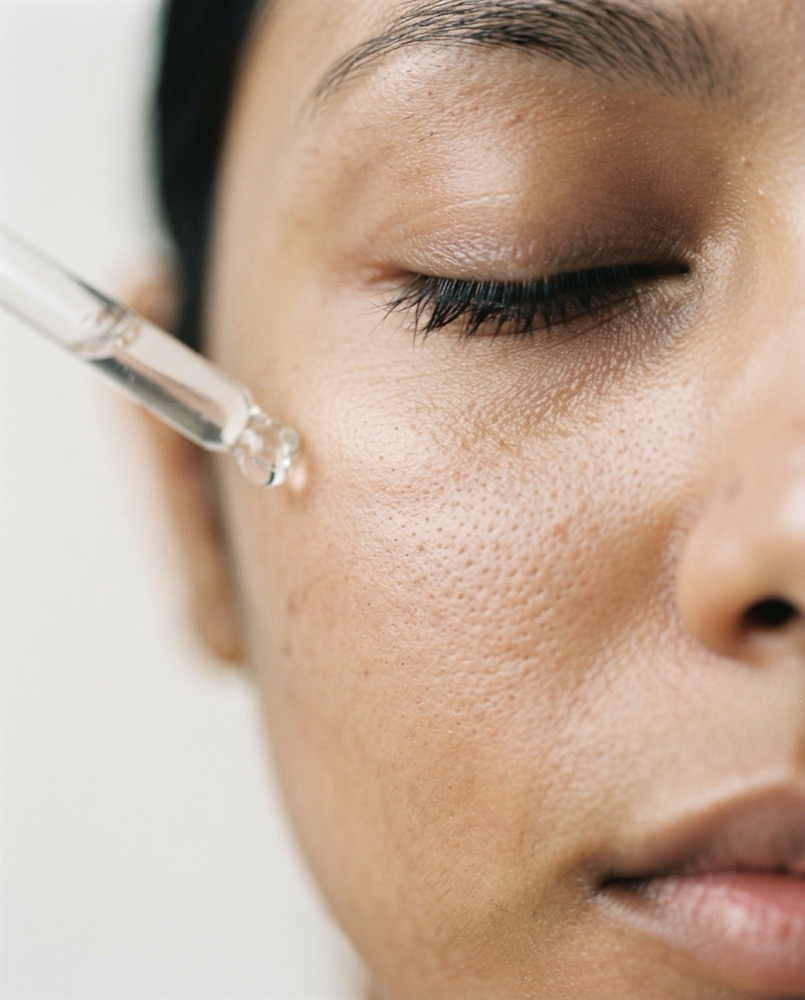
A clogged pore is a hair follicle blocked by a mix of sebum, dead skin cells and debris. Left open to the air the plug oxidises and darkens into a blackhead; sealed over by skin it becomes a whitehead or closed comedone.
Clogged pores are the starting point of nearly all acne – the microcomedone forms first, and inflammation follows only if bacteria and immune response get involved.
What causes clogged pores?
Excess sebum and abnormal keratinisation are the two mechanics. When the follicle lining sheds cells faster than they can clear, they bind with oil and form a plug.
Comedogenic products (heavy oils, some silicones and waxes), thick makeup worn for long stretches, humidity, sweat left on the skin, hormonal shifts and insufficient cleansing all contribute. So does over-cleansing, which damages the barrier and drives oil production up.
What ingredients are best for clogged pores?
Salicylic acid is the first choice because it is oil-soluble and works inside the pore rather than just on the surface. Glycolic and lactic acid clear the surface layer, and clay masks absorb excess oil weekly.
Retinoids are the most effective long-term fix, because they change how the follicle sheds in the first place. Add niacinamide to regulate sebum and keep the barrier intact, and switch to non-comedogenic, lightweight hydrators. Take our Skin Quiz to find products that will not re-clog you.