What is grapeseed oil in skincare?
Grapeseed oil is extracted from the seeds left over from winemaking. It is one of the lightest plant oils available and is dominated by linoleic acid – typically around 70% – with vitamin E and proanthocyanidin antioxidants.
That linoleic dominance is what sets it apart. Sebum in acne-prone skin is characteristically low in linoleic acid, so topping it up topically supports the barrier instead of overloading it.
What skin concerns does grapeseed oil treat?
It suits oily, combination and acne-prone skin better than almost any other plant oil: it absorbs quickly, leaves no residue and sits at the low end of the comedogenic scale.
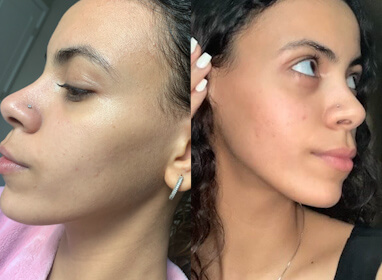
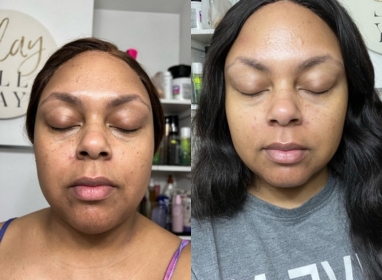
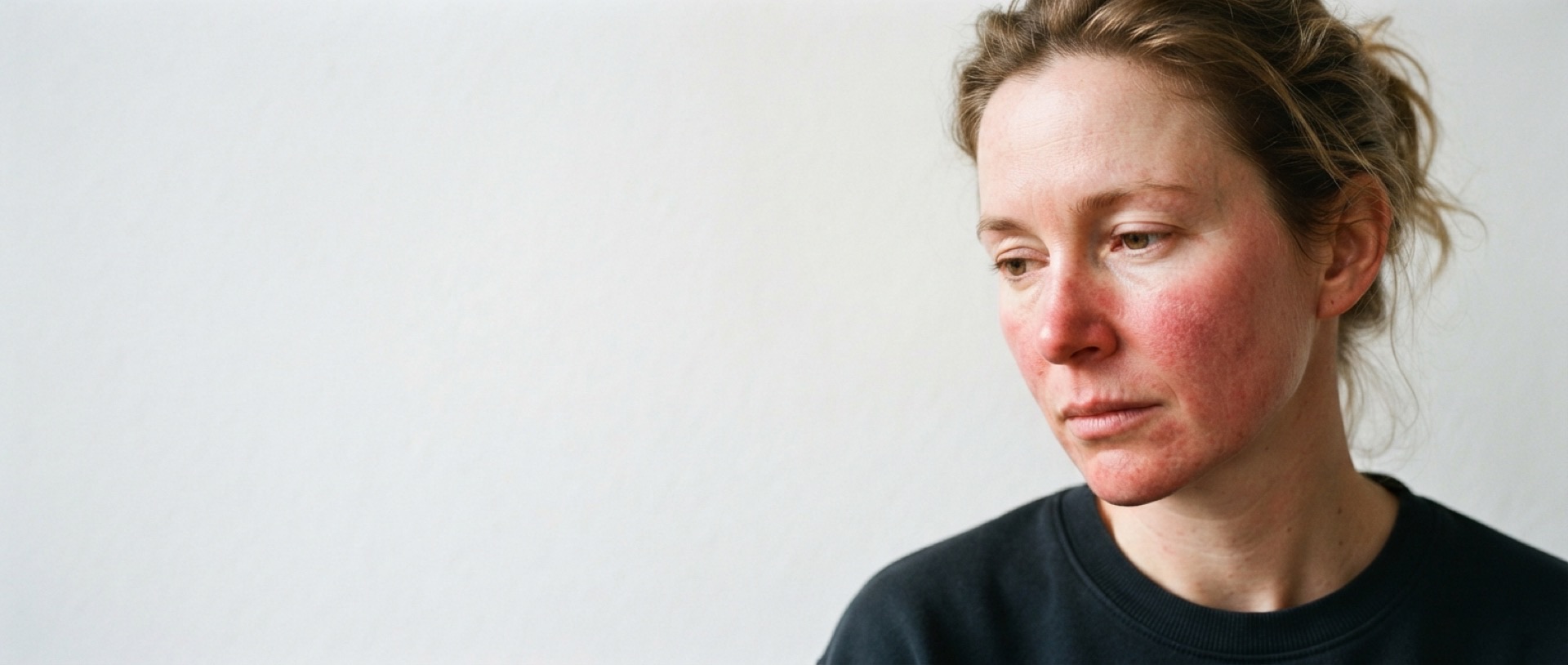
It hydrates without heaviness, its antioxidants help defend against free-radical damage, and its anti-inflammatory activity calms redness. It is also used to soften the appearance of acne scars and to even skin tone over time.
What ingredients are best paired with grapeseed oil?
Layer it over hyaluronic acid or niacinamide and under or instead of a heavier moisturiser. It combines well with ceramides for barrier work and with salicylic acid routines that leave skin dry.
It oxidises faster than more saturated oils, so buy it in small, dark bottles and store it cool. It is also a clean carrier oil for diluting essential oils. Take our Skin Quiz.

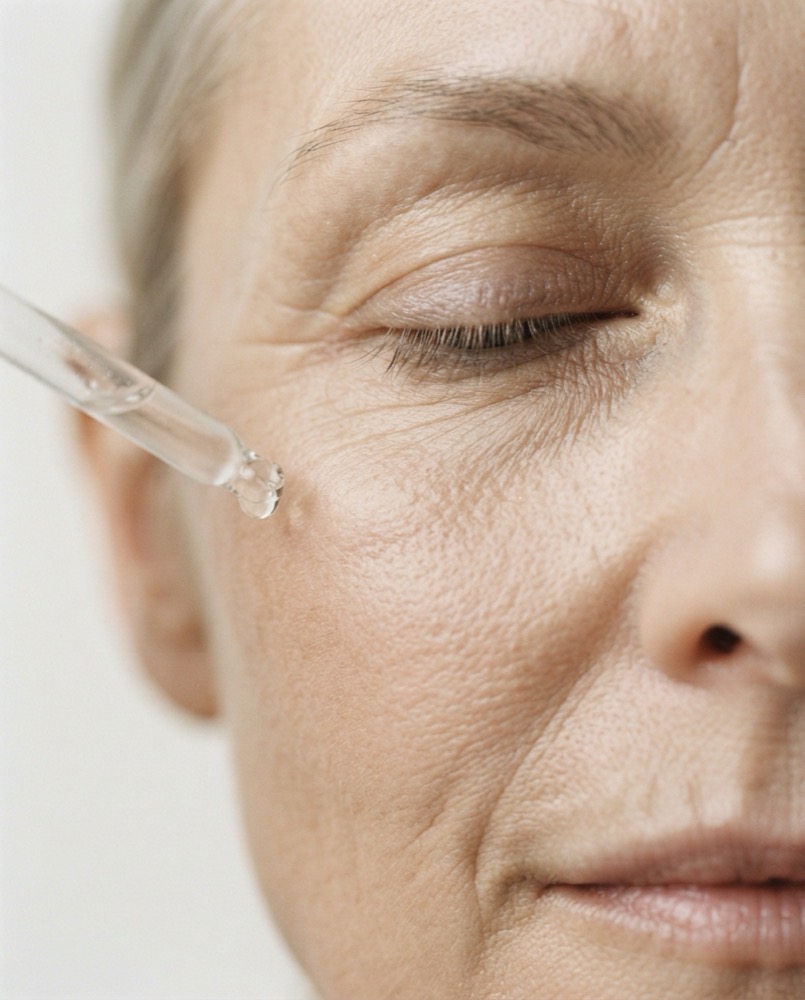
What are wrinkles?
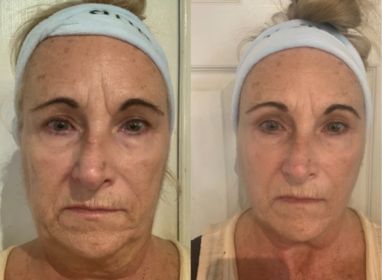
Wrinkles are permanent folds and creases in the skin. They begin as dynamic lines that appear only with expression, then set into static lines visible at rest once the underlying support structure can no longer push them back out.
They form first where skin is thin and movement is constant: crow’s feet, forehead lines, frown lines between the brows, and nasolabial folds. Deeper folds also reflect loss of fat and bone volume, not just skin change.
What causes wrinkles?
Internally, collagen and elastin production declines steadily from the mid-twenties and the dermal matrix thins, so skin loses the scaffolding that keeps it smooth.
Externally, ultraviolet radiation does most of the damage – it activates enzymes that break down collagen and degrades elastic fibres. Smoking, pollution, sugar-driven glycation, poor sleep, sleeping position and repeated facial movement all accelerate the process.
What ingredients are best for wrinkles?
Retinoids have the deepest evidence base for stimulating collagen and measurably reducing wrinkle depth over six to twelve months. Vitamin C supports synthesis while neutralising the free radicals that break it down, and peptides signal repair.
Round it out with hyaluronic acid and ceramides for hydration and barrier strength, niacinamide for elasticity and tone, and AHAs for surface renewal. Daily broad-spectrum SPF is the most effective anti-wrinkle product there is. Take our Skin Quiz.