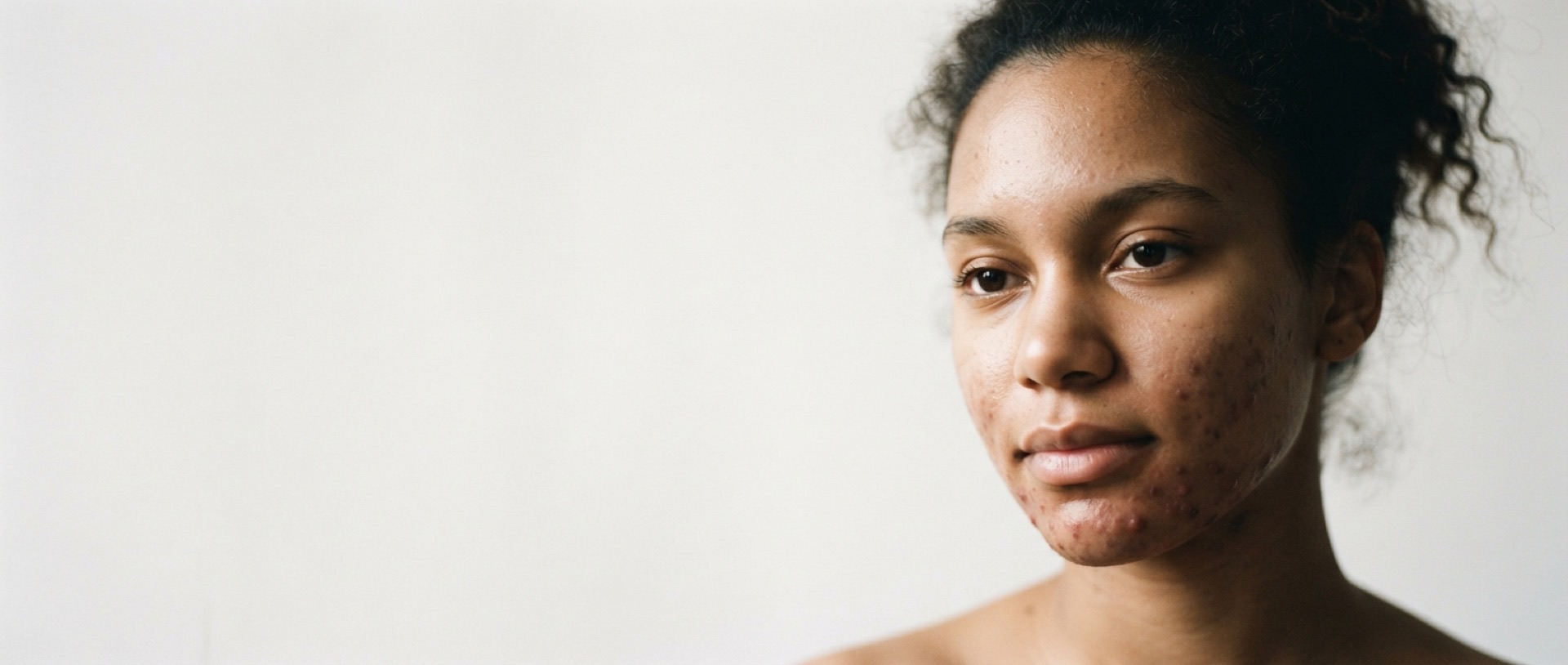
What is grapeseed oil in skincare?
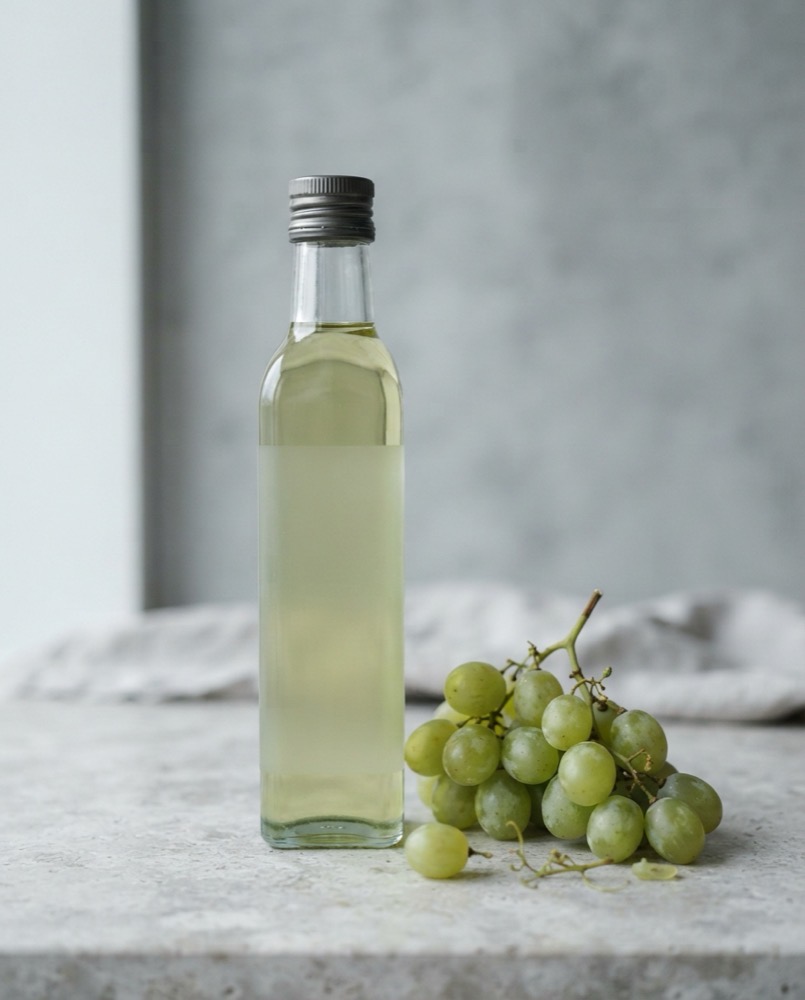
Grapeseed oil is extracted from the seeds left over from winemaking. It is one of the lightest plant oils available and is dominated by linoleic acid – typically around 70% – with vitamin E and proanthocyanidin antioxidants.
That linoleic dominance is what sets it apart. Sebum in acne-prone skin is characteristically low in linoleic acid, so topping it up topically supports the barrier instead of overloading it.
What skin concerns does grapeseed oil treat?
It suits oily, combination and acne-prone skin better than almost any other plant oil: it absorbs quickly, leaves no residue and sits at the low end of the comedogenic scale.
It hydrates without heaviness, its antioxidants help defend against free-radical damage, and its anti-inflammatory activity calms redness. It is also used to soften the appearance of acne scars and to even skin tone over time.
What ingredients are best paired with grapeseed oil?
Layer it over hyaluronic acid or niacinamide and under or instead of a heavier moisturiser. It combines well with ceramides for barrier work and with salicylic acid routines that leave skin dry.
It oxidises faster than more saturated oils, so buy it in small, dark bottles and store it cool. It is also a clean carrier oil for diluting essential oils. Take our Skin Quiz.
What are clogged pores?
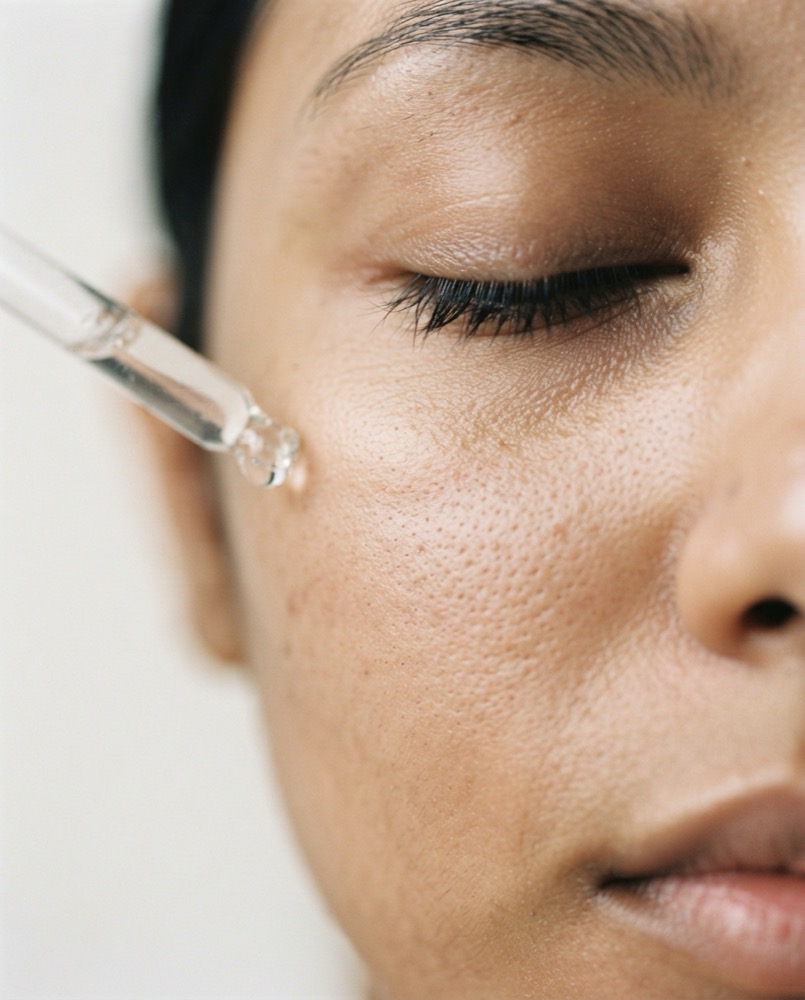
A clogged pore is a hair follicle blocked by a mix of sebum, dead skin cells and debris. Left open to the air the plug oxidises and darkens into a blackhead; sealed over by skin it becomes a whitehead or closed comedone.
Clogged pores are the starting point of nearly all acne – the microcomedone forms first, and inflammation follows only if bacteria and immune response get involved.
What causes clogged pores?
Excess sebum and abnormal keratinisation are the two mechanics. When the follicle lining sheds cells faster than they can clear, they bind with oil and form a plug.
Comedogenic products (heavy oils, some silicones and waxes), thick makeup worn for long stretches, humidity, sweat left on the skin, hormonal shifts and insufficient cleansing all contribute. So does over-cleansing, which damages the barrier and drives oil production up.
What ingredients are best for clogged pores?
Salicylic acid is the first choice because it is oil-soluble and works inside the pore rather than just on the surface. Glycolic and lactic acid clear the surface layer, and clay masks absorb excess oil weekly.
Retinoids are the most effective long-term fix, because they change how the follicle sheds in the first place. Add niacinamide to regulate sebum and keep the barrier intact, and switch to non-comedogenic, lightweight hydrators. Take our Skin Quiz to find products that will not re-clog you.