What is glycolic acid in skincare?
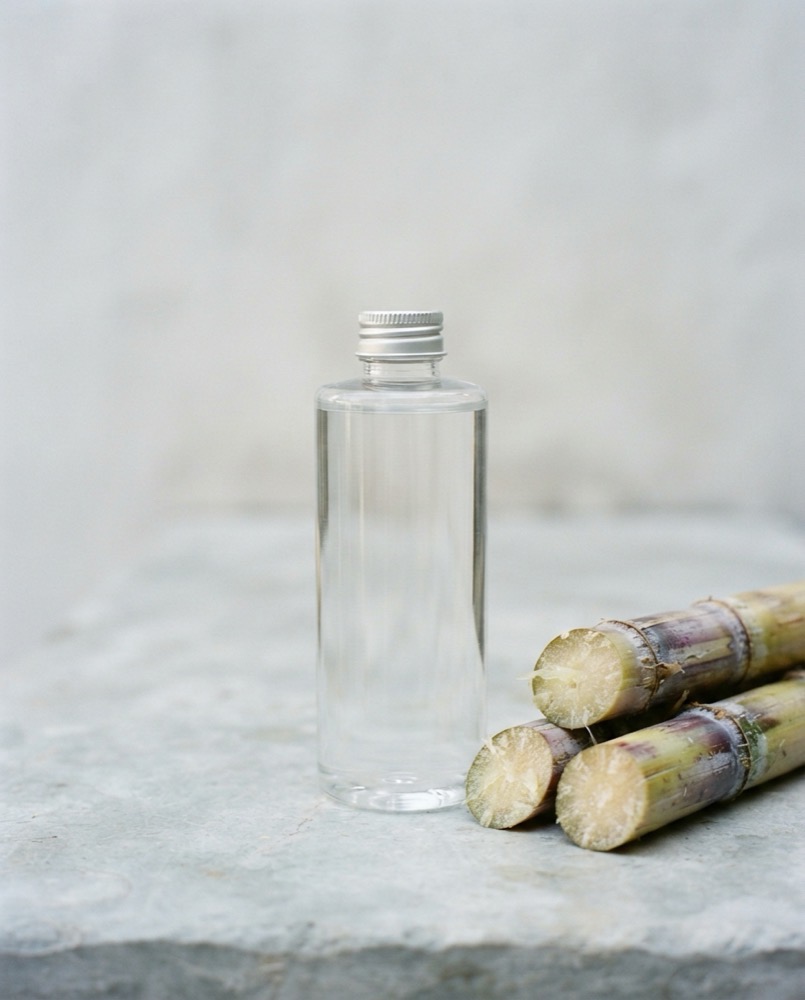
Glycolic acid is an alpha-hydroxy acid derived from sugar cane. It has the smallest molecular size of the AHA family, which lets it penetrate the stratum corneum more readily than lactic or mandelic acid – and makes it both the most effective and the most likely to sting.
It works by dissolving the bonds holding dead cells to the surface, so they shed evenly instead of accumulating. Cosmetic strengths run from around 5% to 10%, with professional peels going considerably higher.
What skin concerns does glycolic acid treat?
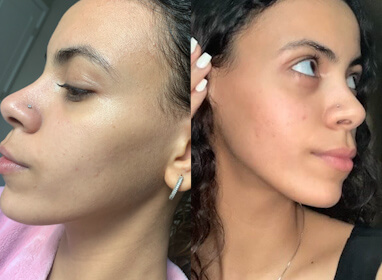
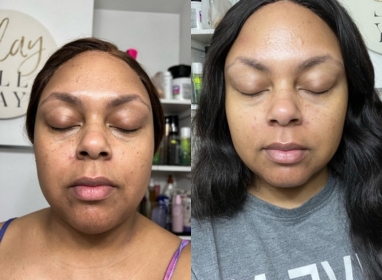
It is one of the best-evidenced ingredients for dullness, rough texture and uneven tone, and it visibly brightens within a few uses. Over longer periods it fades sun spots and post-acne marks, softens fine lines and helps clear congestion.
Regular use also stimulates collagen production and thickens the deeper epidermis, so the benefit is structural as well as surface-level.
What ingredients are best paired with glycolic acid?
Follow it with hyaluronic acid, ceramides, glycerin and panthenol to replace what exfoliation costs the barrier. Niacinamide is a good companion for tone, and vitamin C works well on alternate days.
Do not stack it with retinoids, BHAs or benzoyl peroxide in the same step unless your skin is well conditioned, and start at twice a week. Glycolic acid increases sun sensitivity, so daily SPF is essential. Take our Skin Quiz.
What are wrinkles?
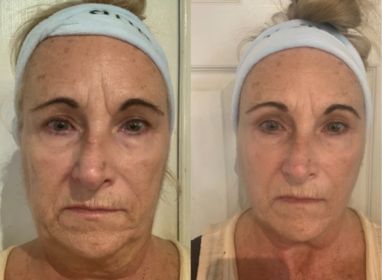
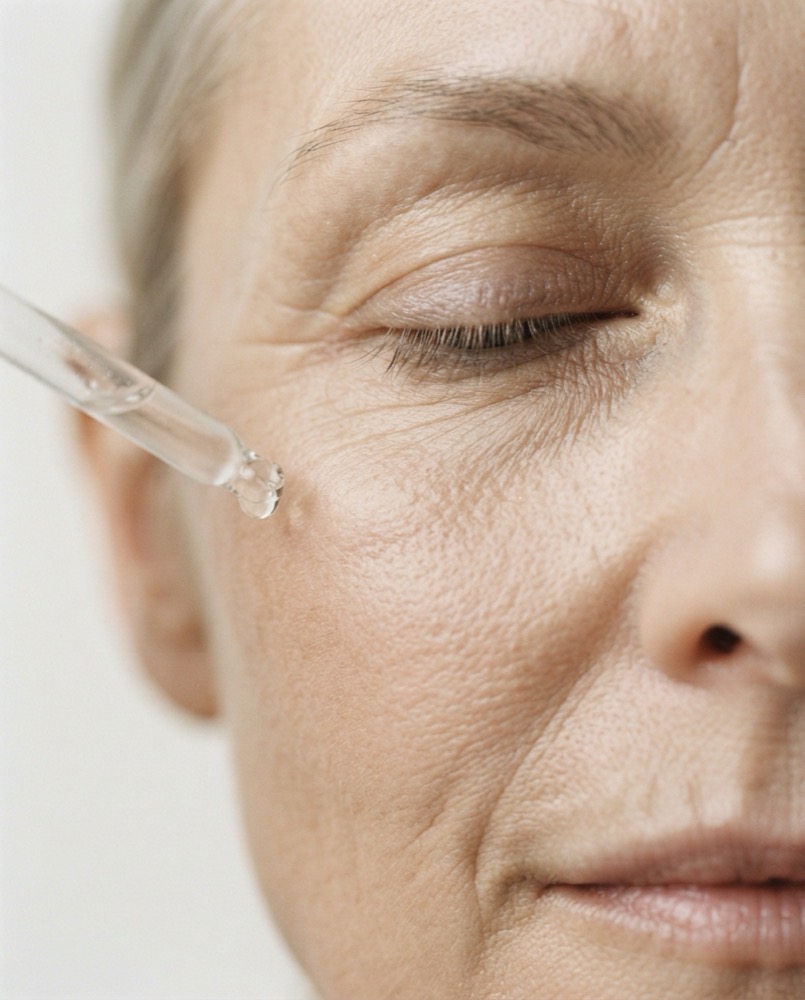
Wrinkles are permanent folds and creases in the skin. They begin as dynamic lines that appear only with expression, then set into static lines visible at rest once the underlying support structure can no longer push them back out.
They form first where skin is thin and movement is constant: crow’s feet, forehead lines, frown lines between the brows, and nasolabial folds. Deeper folds also reflect loss of fat and bone volume, not just skin change.
What causes wrinkles?
Internally, collagen and elastin production declines steadily from the mid-twenties and the dermal matrix thins, so skin loses the scaffolding that keeps it smooth.
Externally, ultraviolet radiation does most of the damage – it activates enzymes that break down collagen and degrades elastic fibres. Smoking, pollution, sugar-driven glycation, poor sleep, sleeping position and repeated facial movement all accelerate the process.
What ingredients are best for wrinkles?
Retinoids have the deepest evidence base for stimulating collagen and measurably reducing wrinkle depth over six to twelve months. Vitamin C supports synthesis while neutralising the free radicals that break it down, and peptides signal repair.
Round it out with hyaluronic acid and ceramides for hydration and barrier strength, niacinamide for elasticity and tone, and AHAs for surface renewal. Daily broad-spectrum SPF is the most effective anti-wrinkle product there is. Take our Skin Quiz.